Bryonia syriaca Care

Bryonia syriaca

About Bryonia syriaca

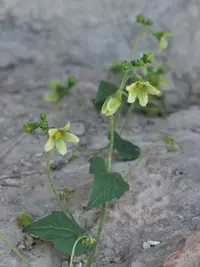
Bryonia syriaca is a perennial climbing vine from the cucumber family, native to the eastern Mediterranean and parts of the Middle East. It scrambles over shrubs and fences using tendrils and can reach several meters in length under suitable conditions. The plant has broad, lobed leaves and produces small greenish flowers, followed by showy berries that change color as they ripen. It is more often found in the wild or in naturalistic plantings than in typical home gardens. Gardeners who want to care for Bryonia syriaca should know it prefers sun to light shade, moderately moist but well-drained soil, and space to climb or sprawl.

Main Plant Requirements

Care Difficulty

Moderate Care

Light Preference

Full Sun

Water Requirements

Moderate Water

Temperature Preference

Cool Climate

Hardiness Zone

6–9

Soil Texture

Sandy, Loamy, Rocky

Soil pH

Slightly acidic (6.5–7.0), Neutral (7.0)

Soil Drainage

Well-drained

Fertilization

Minimal (feed rarely)

Get Personalized Care Plan

Scan your plant to receive care tips personalized for your specific plant

Available on iOS and Android

How to Care for the Bryonia syriaca

This scrambling perennial prefers open, bright positions but tolerates some shade in its native range.

  • Provide 4–6 hours of direct morning sun with light shade or filtered light in harsh afternoon periods, especially in hot summers.
  • Allow partial shade (2–4 hours sun) in warmer regions; in cooler climates, a more open, sunny exposure supports stronger flowering and growth for Bryonia syriaca.
  • Watch foliage: pale, weak stems indicate too little sun, while scorched, crispy leaf edges suggest intense, prolonged midday sun exposure.

This vigorous climber prefers evenly moist but never waterlogged soil during active growth.

  • Water when the top 3–5 cm of soil feels dry, allowing moisture to reach the deeper root zone while still letting excess drain away freely.
  • In spring and early summer, increase watering as vines extend; reduce frequency in late summer and autumn as growth slows and the plant prepares for dormancy.
  • Watch for yellowing, soft, or translucent roots and a sour smell as signs of overwatering, and for limp, wilting foliage and dry, shrinking stems as signs of underwatering.

This species grows best in temperate climates with moderate seasonal changes.

  • Aim for active growth temperatures of 60–77°F (16–25°C), which support steady vine development and flowering without stressing the root system.
  • Protect the tuber from hard frost; short dips to 28–32°F (-2–0°C) may be survived in well-drained soil, but repeated freezes below 25°F (-4°C) can damage or kill it.
  • During hot spells above 86°F (30°C), provide soil mulching and partial afternoon shade to limit root heating and reduce moisture loss.

This species tolerates a wide humidity range and does not usually need special moisture management outdoors.

This scrambling perennial prefers light, well-structured soil that drains freely yet retains moderate moisture.

  • Use a moderately fertile loam or sandy loam with 20–30% coarse sand or fine grit to prevent waterlogging.
  • Aim for slightly alkaline to neutral pH around 7.0–8.0, avoiding strongly acidic mixes that weaken growth.
  • Incorporate well-rotted compost for organic matter, but keep the mix airy by adding perlite or very coarse sand.
  • Avoid compacted clay, heavy peat-based mixes, or any soil that stays wet for more than 24 hours after watering.

This species can be grown in containers if the pot supports its vigorous, climbing habit.

  • Choose a deep, wide container to accommodate a strong taproot and spreading side roots without crowding.
  • Use a heavy or weighted pot to reduce tipping risk when the vine climbs a trellis or support structure.
  • Position the container where tendrils can quickly reach a sturdy support, preventing stem damage from trailing over the rim.

This wild perennial climber usually grows acceptably in average garden soil without heavy feeding.

  • If growth appears weak, apply a light dressing of well-rotted compost around the root zone in early spring.
  • Use a balanced, diluted liquid fertilizer (around 10-10-10 at 1/2 strength) once a month during active growth if soil is poor.
  • Stop feeding Bryonia syriaca in late summer so shoots harden before winter and the root system rests.

Pruning focuses on keeping this vigorous vine under control and removing weak growth rather than shaping it tightly.

  • Cut back dead, damaged, or diseased stems in late winter or very early spring before new growth starts.
  • Thin congested shoots to improve air flow and reduce fungal problems, keeping the framework open along supports.
  • Shorten overly long stems after flowering to contain spread and guide the plant along fences or trellises.
  • Use clean, sharp hand pruners and make angled cuts just above healthy buds or side shoots.

Bryonia syriaca is normally grown in open ground, so transplanting and root disturbance should be limited.

  • Transplant dormant young plants in late winter or early spring before vigorous shoot growth begins.
  • Choose a deep, well-drained site, handling the fleshy taproot gently to avoid snapping or bruising it.
  • Move only if necessary, as older plants resent disturbance; expect some temporary growth slowdown after shifting.
  • Water thoroughly after transplanting, then keep soil lightly moist and shaded for 1–2 weeks to reduce root stress.

Propagation is most reliable from seed, as the plant forms a strong taproot that dislikes division.

  • Sow fresh seeds in autumn or very early spring outdoors, as natural cold stratification improves germination.
  • Use a free-draining seed mix, keeping it evenly moist but never waterlogged during the germination period.
  • Provide bright light and cool to mild temperatures (50–65°F) to support steady, compact seedling growth.
  • Transplant young seedlings carefully before the taproot becomes long, disturbing roots as little as possible.

This hardy perennial typically survives normal winters in temperate climates with minimal attention.

  • The top growth dies back after frost while the root remains alive underground until spring.
  • Apply a light mulch layer over the root zone in late autumn in colder regions to buffer soil temperature.
  • Container-grown plants benefit from moving to a sheltered, unheated area where the soil does not freeze solid.

Care Tips

Provide strong support

Install a sturdy trellis, wire mesh, or fence before planting so the fast-growing vine can climb safely and you can control its spread along a defined structure.

Control underground spread

Edge planting beds with a 25–30 cm deep root barrier to reduce rhizome and root spread into adjacent areas and make long-term management easier.

Use safe handling

Wear gloves and long sleeves when training stems, removing fruits, or digging roots, as all parts of the plant are toxic and can irritate skin in some people.

Time pruning carefully

Carry out major cutting back in late winter or very early spring before vigorous new growth starts, which makes it easier to see the framework and remove weak or crowded stems efficiently.

Monitor for self-seeding

Check surrounding soil and nearby hedges or shrubs for volunteer seedlings each spring, and remove them while small to prevent unwanted colonization when growing Bryonia syriaca.

Common Pests and Diseases

Powdery mildew

This disease often develops on Bryonia vines growing in warm, dry conditions with poor air movement. Symptoms include white, powdery patches on leaves, stems, and sometimes fruits, followed by yellowing and premature leaf drop.

Solution

Remove and discard heavily infected leaves to reduce spore load, and improve airflow by separating crowded vegetation or nearby plants. For persistent infections, apply a sulfur or potassium bicarbonate fungicide labeled for cucurbits, making sure to coat both upper and lower leaf surfaces and repeating as directed during favorable conditions for powdery mildew.

Downy mildew

This disease appears in humid, cool to mild conditions and is favored by prolonged leaf wetness. Symptoms include yellow angular leaf spots that follow the vein pattern, with gray to purple fuzzy growth on the undersides in moist weather.

Solution

Avoid overhead watering so foliage dries quickly, and remove infected leaves to slow spread. In high-risk periods, protect plants with a copper-based fungicide labeled for cucurbits, applying early at the first spotting and repeating during extended humid or rainy weather.

Aphids

These insects gather on young Bryonia shoots, tendrils, and the undersides of leaves, feeding on sap. This pest causes curling and distortion of new growth, sticky honeydew, and can attract sooty mold on nearby vegetation.

Solution

Wash colonies from stems and leaves with a strong but controlled stream of water, repeating every few days as needed. When populations remain high, use insecticidal soap or a light horticultural oil, ensuring thorough coverage of new growth and leaf undersides while avoiding treatment during high heat or intense sun.

Cucumber mosaic virus

This disease is transmitted mainly by aphids feeding on Bryonia and nearby host plants. Symptoms include mottled, mosaic-patterned leaves, leaf distortion, stunted growth, and reduced flowering or fruit set.

Solution

Promptly remove and destroy any plants with clear virus symptoms to prevent further spread. Limit aphid activity by controlling nearby aphid host weeds, using reflective mulches if practical, and applying insecticidal soaps to reduce vector populations, since there is no chemical cure for the virus once a plant is infected.

Interesting Facts

Range in the Middle East

This species is naturally distributed from Turkey and Cyprus through Syria, Lebanon, Israel, and surrounding regions, where it climbs on shrubs and hedges in dry, rocky habitats and field margins.

Dioecious flowering habit

Bryonia syriaca has separate male and female plants, meaning individual vines bear either male or female flowers, which requires cross‑pollination for fruit production.

Distinctive fruit development

Its small green berries ripen to a dark, almost black color and are often conspicuous against the foliage, attracting birds that help disperse the seeds despite the plant’s toxicity to humans and many mammals.

Botan icon

Did you know?

Bryonia syriaca is one of the Bryonia species that has been documented in regional floras of the eastern Mediterranean as a weed of traditional crop fields and orchards, where its vigorous climbing habit can overtop low-growing crops and young trees if not controlled.

FAQs about Bryonia syriaca

All parts of this vine are toxic to humans and animals if eaten, especially the roots and berries. Ingestion may cause severe gastrointestinal upset and other systemic symptoms. Keep away from children, pets, and livestock.

Grow Healthy Plants with Botan Care

Keep your plants happy and healthy with plant identification, disease detection, and easy care guidance.

Botan plant care app — identify plants on mobile

Explore More Plants