

5 min read · 11 Sept 2026
Top 5 Best Indoor Plants for Air Quality
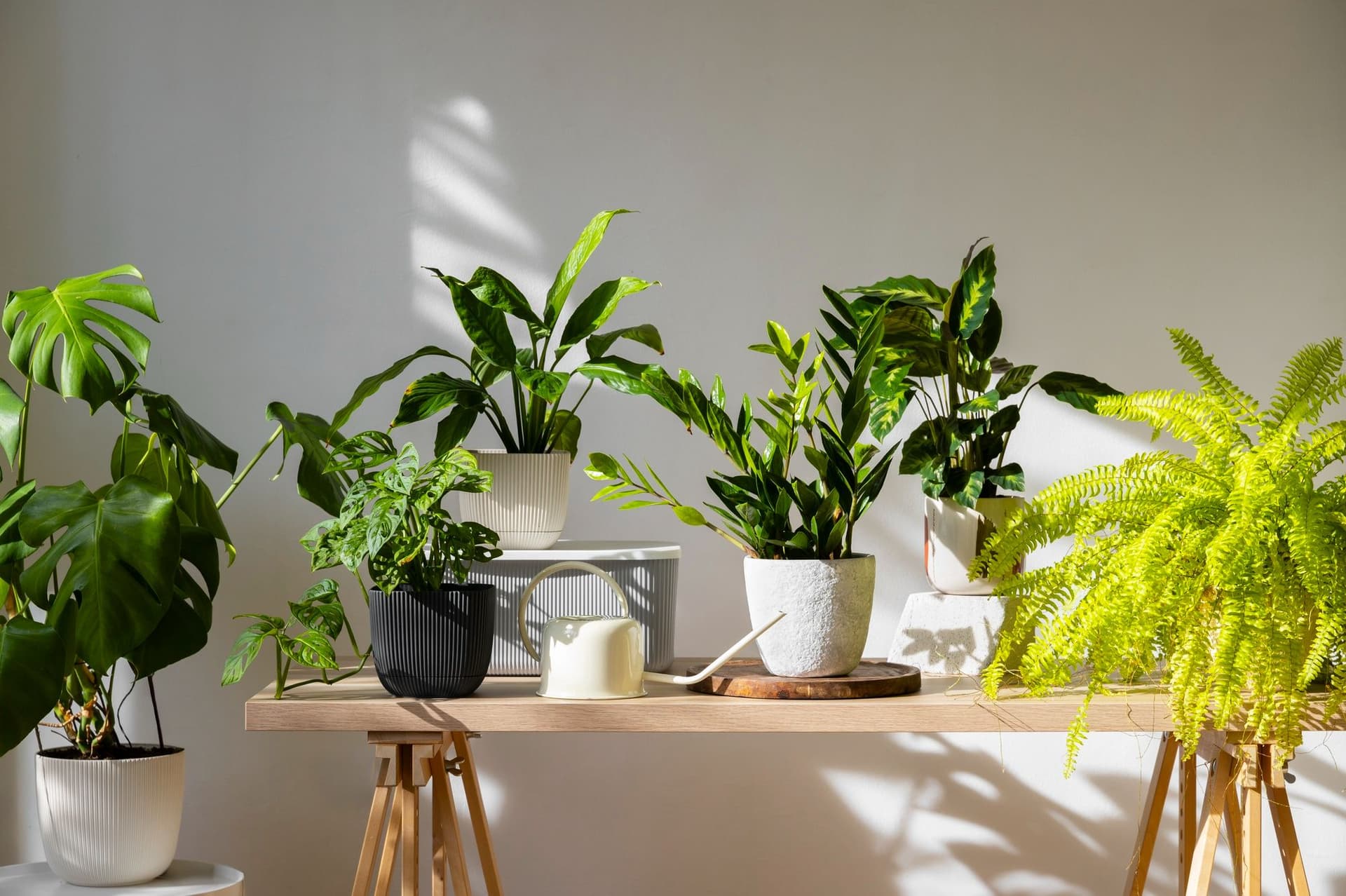
Indoor plants can make a room feel fresher thanks to their air-purifying qualities. Here are 5 of the most suitable choices for your routine and living space.
Plant Recommendations


Butterfly Bush grows best outdoors in full sun, with long daily exposure and little shade.

Light Preference
Full Sun
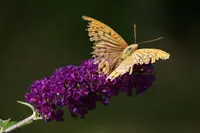
Buddleja davidii is native to central China, where it grows in open, sunny habitats such as slopes, riverbanks, and disturbed ground. These sites receive long periods of direct light during the growing season, with only brief shade from terrain or surrounding vegetation.
That background explains why cultivated shrubs flower best in exposed garden positions rather than sheltered shade. Butterfly Bush prefers full sun.
Butterfly Bush needs about 6–8 hours of full sun daily, including at least 6 hours of direct sun for strongest flowering.
Established shrubs handle direct sun well, including long summer exposure in open garden sites.
Part sun is tolerated, but fewer direct-sun hours commonly reduce flowering and make growth looser.
Hot afternoon sun is usually acceptable, though newly planted or container-grown shrubs benefit from gradual exposure.
This species tolerates full sun, but sudden or extreme exposure can still cause stress.
Pale tan or brown patches may appear on the most exposed leaves after a rapid move into intense sun.
Tender new growth can look dry or bleached when heat and strong afternoon sun combine.
Flower color may wash out faster during long, hot periods with reflected heat.
Temporary wilting can occur during extreme heat, even when light is not the only factor.
Move container-grown Buddleja davidii 'Black Knight' into a site with morning sun and light afternoon protection. For in-ground shrubs, add temporary shade cloth during heat waves and remove it once conditions ease.
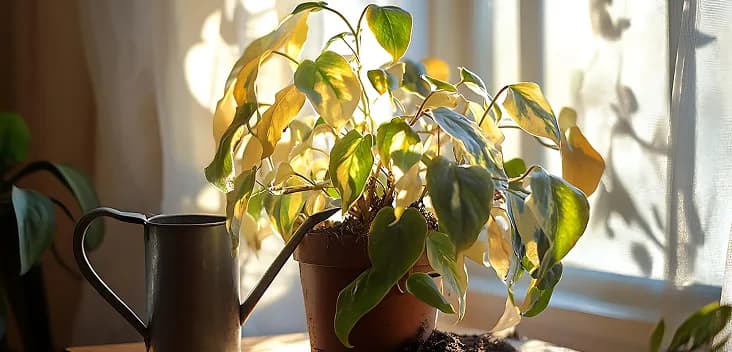
Weak light usually shows first in growth habit and flowering.
New shoots may become long and thin as they reach toward a brighter area.
Leaves can sit farther apart along the stems, giving the shrub a sparse look.
Buddleja davidii 'Black Knight' may produce fewer flower spikes when it receives less than several hours of direct sun.
One-sided growth often develops when nearby structures or taller growth blocks light.
Move container plants to a sunnier position. Prune only after improving light, because shade-driven weak growth often returns if the exposure stays the same.
If full sun is not available, choose the brightest spot with at least 4–6 hours of direct sun. Treat this as a compromise; flowering is usually lighter than in open sun.
Rotate container plants every 1–2 weeks during active growth so all sides receive sun. Move nearby objects that cast midday shade.
A mostly shaded site is unsuitable because it encourages long stems and poor flowering.
Light Care Advice
Learn what light your plant needs and avoid common lighting mistakes
Scan your plant to receive care tips personalized for your specific plant
It needs about 6–8 hours of daily sun, with at least 6 hours of direct sunlight preferred for strong flowering and compact growth.
Discover how to care for your plants with Botan.
5 min read · 11 Sept 2026
Indoor plants can make a room feel fresher thanks to their air-purifying qualities. Here are 5 of the most suitable choices for your routine and living space.
4 min read · 20 Oct 2026
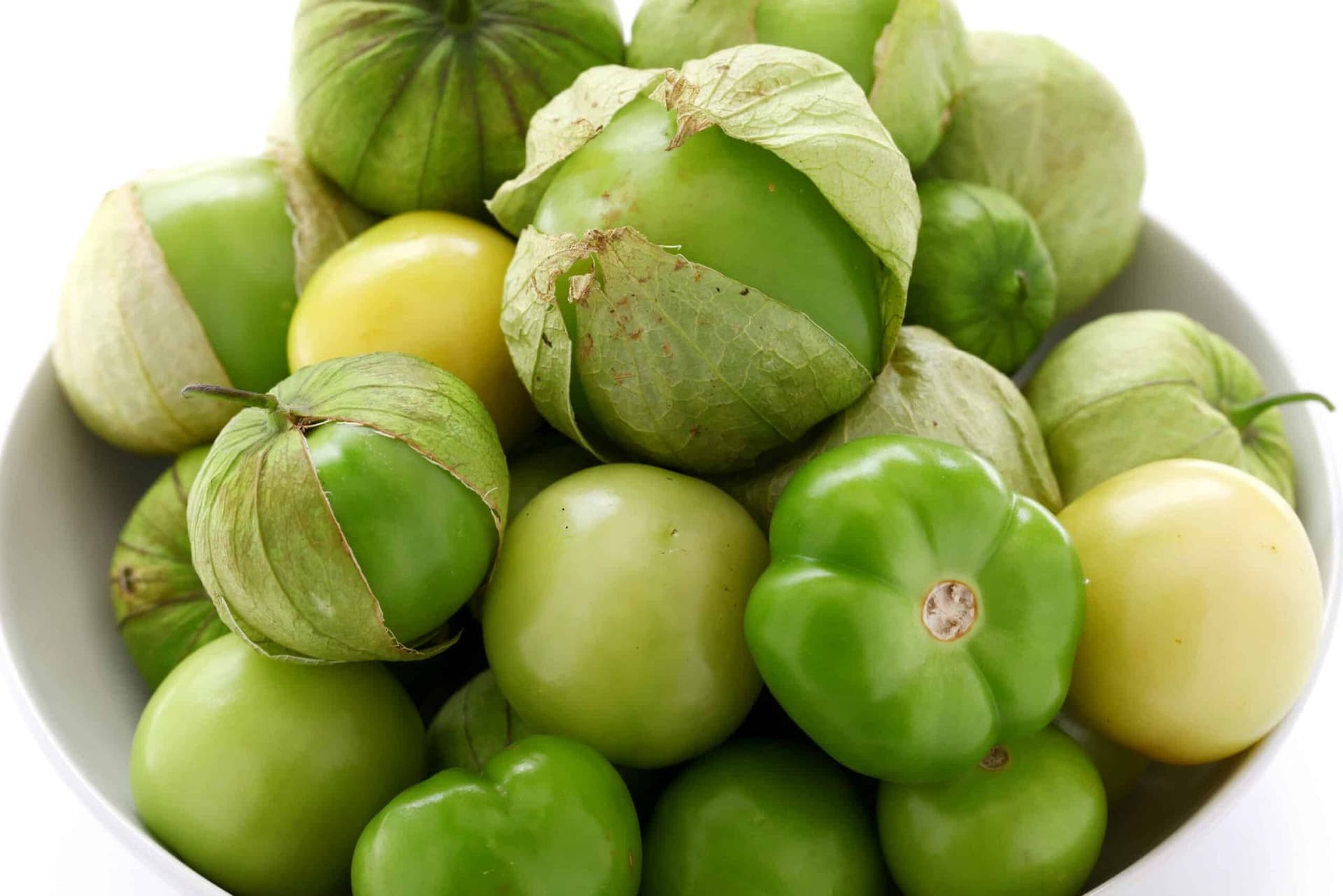
Tomatillos grow inside papery husks, making it hard to judge ripeness at a glance. This guide explains how to know when tomatillos are ripe and offers practical advice on harvesting and storage.
6 min read · 1 Sept 2026
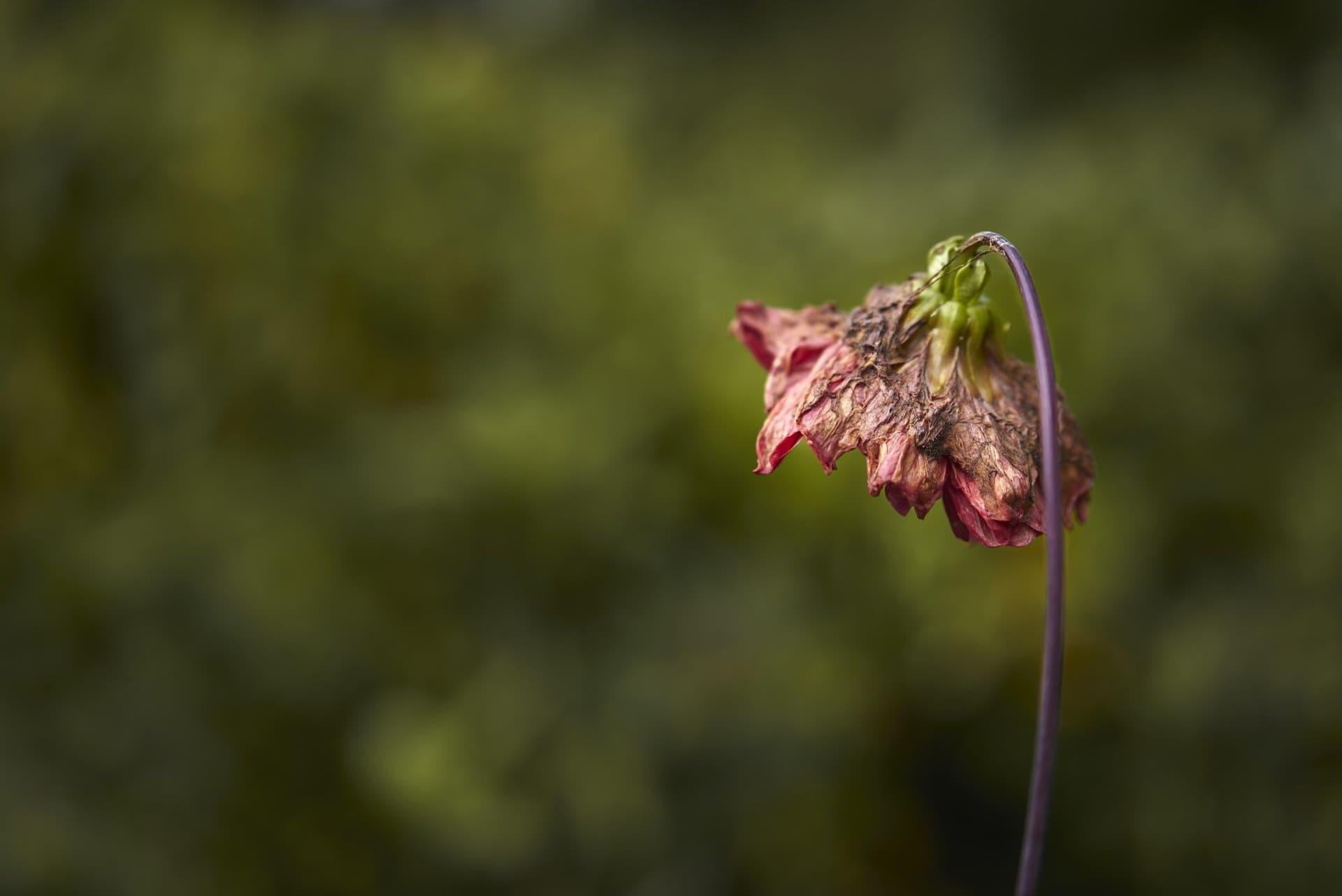
Drooping leaves and brown tips don't always mean the end, and a weakened plant can often recover with a little help. These six simple steps will help you revive a dying plant and restore its health.