


had (Cornulaca monacantha) Light Needs

had grows best in full sun, with long daily exposure to direct, unobstructed outdoor light.

Light Preference

Full Sun

Cornulaca monacantha Light Requirements

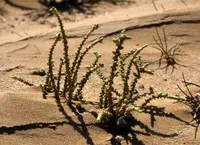
Cornulaca monacantha is associated with open, arid desert habitats in Saharo-Arabian and adjacent dry regions. It grows where vegetation is sparse and shade is limited, often on sandy or gravelly ground exposed to strong sun and high heat.

In cultivation, this background means low light is a poor match. Strong, unfiltered daylight supports the dense, compact growth this species is adapted to make. It prefers full sun.

  • Ideal exposure:

    Ideal exposure: had needs about 6–8 hours of full sun daily, with 6 or more hours of direct sun when grown outdoors.

  • Direct sun:

    Established plants can tolerate long, hot direct sun, including afternoon exposure, if introduced gradually.

  • Lower light:

    Partial sun and shade usually cause weak, open growth and are not suitable for long-term cultivation.

  • Reflected heat:

    In containers, intense reflected sun from walls or pavement can be stressful after a sudden move.

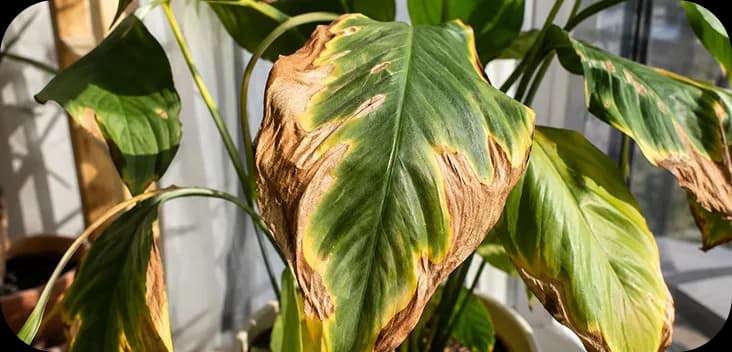
Strong light is usually appropriate, but sudden exposure can still cause stress.

Bleached patches:

Pale tan or whitish areas may appear on the most exposed sides after a rapid move into stronger sun.

Scorched tips:

Young shoot tips can dry or darken when high light is combined with intense reflected heat.

One-sided damage:

Damage concentrated on the sun-facing side points more toward exposure stress than general decline.

Surface scorching:

A plant in a dark pot against pavement may show faster surface scorching during extreme afternoon sun.

Move it out of reflected heat and give bright, open sun with a gradual increase in direct exposure. Temporary afternoon filtering can help during acclimation.

This species is not adapted to shade. Low light usually shows as weaker structure before severe decline.

  • Stretched shoots:

    New growth may become longer and less rigid as it reaches toward brighter light.

  • Open habit:

    Spacing between growing points can look wider, making the plant less compact.

  • Leaning growth:

    Growth may angle toward the strongest light source instead of staying evenly shaped.

  • Small new growth:

    New active-season growth may stay small or sparse when light remains weak.

Move it to an open full-sun position, increasing exposure over several days if it has been shaded. Avoid keeping it under dense cover or on the shaded side of structures.

If full sun is limited, choose the most open outdoor position available rather than a spot with steady shade. A half day of direct sun is a compromise, but it is still below the ideal for long-term, compact growth.

Increase exposure gradually after purchase, shipping, or a shaded holding period. Keep the plant away from heat-reflecting walls or pavement until it has adjusted to stronger sun.

Get Personalized Care Plan

Scan your plant to receive care tips personalized for your specific plant

FAQ

This plant needs full sun, ideally about 6–8 hours of bright outdoor exposure daily. In suitable climates, most of that time can be direct sun.

More Plant Light Guides

Get the Botan App

Discover how to care for your plants with Botan.

Botan app identifying a plant with a phone camera
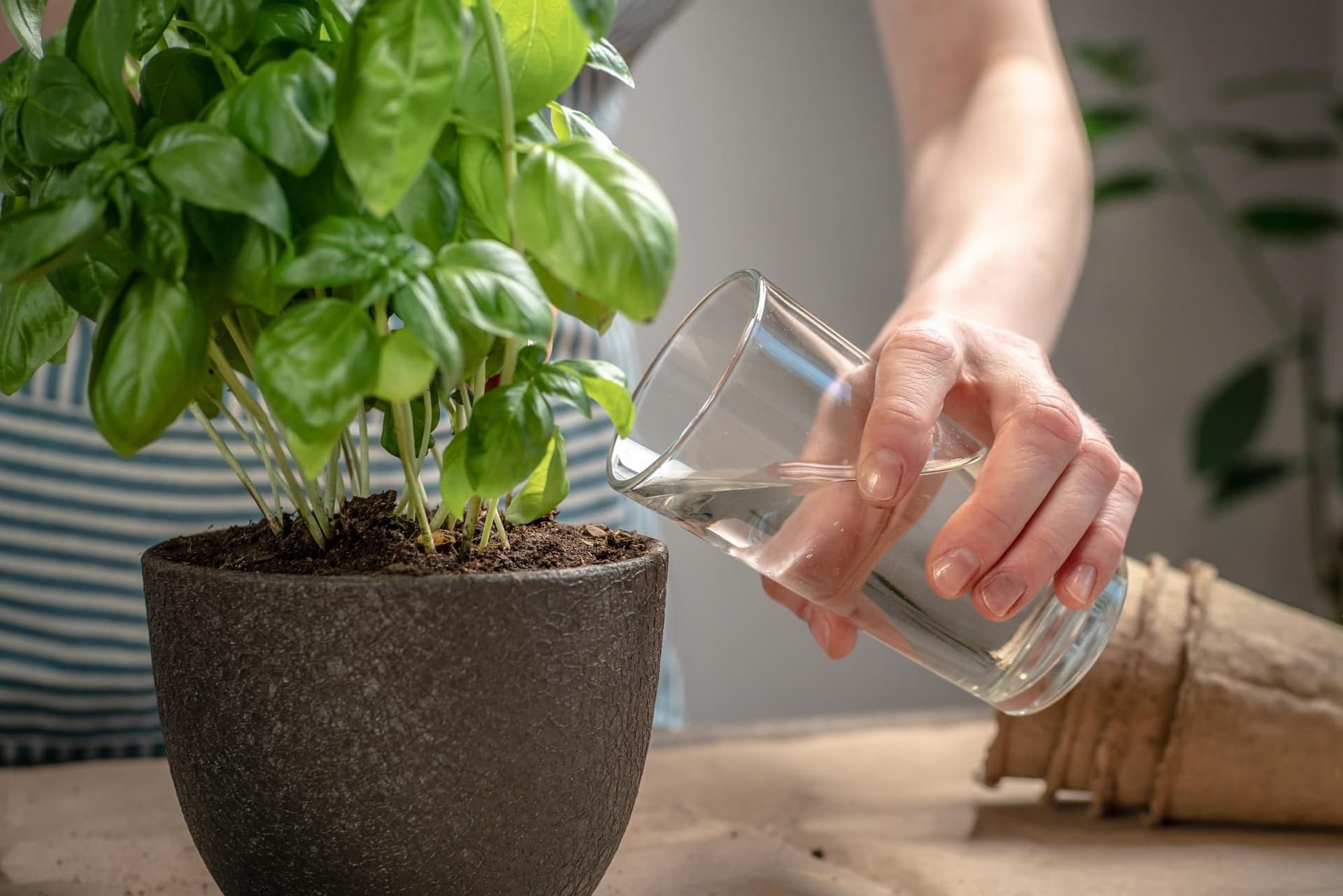
Best Water for Plants – How to Choose the Right Type

7 min read · 13 Aug 2026

Best Water for Plants – How to Choose the Right Type

Rainwater, filtered, distilled, and tap water affect plants differently. Learn which types support healthy growth and which cause slow damage. Match each to your plants and discover how to easily improve tap water quality.

Plant Care
Best Water for Plants – How to Choose the Right Type
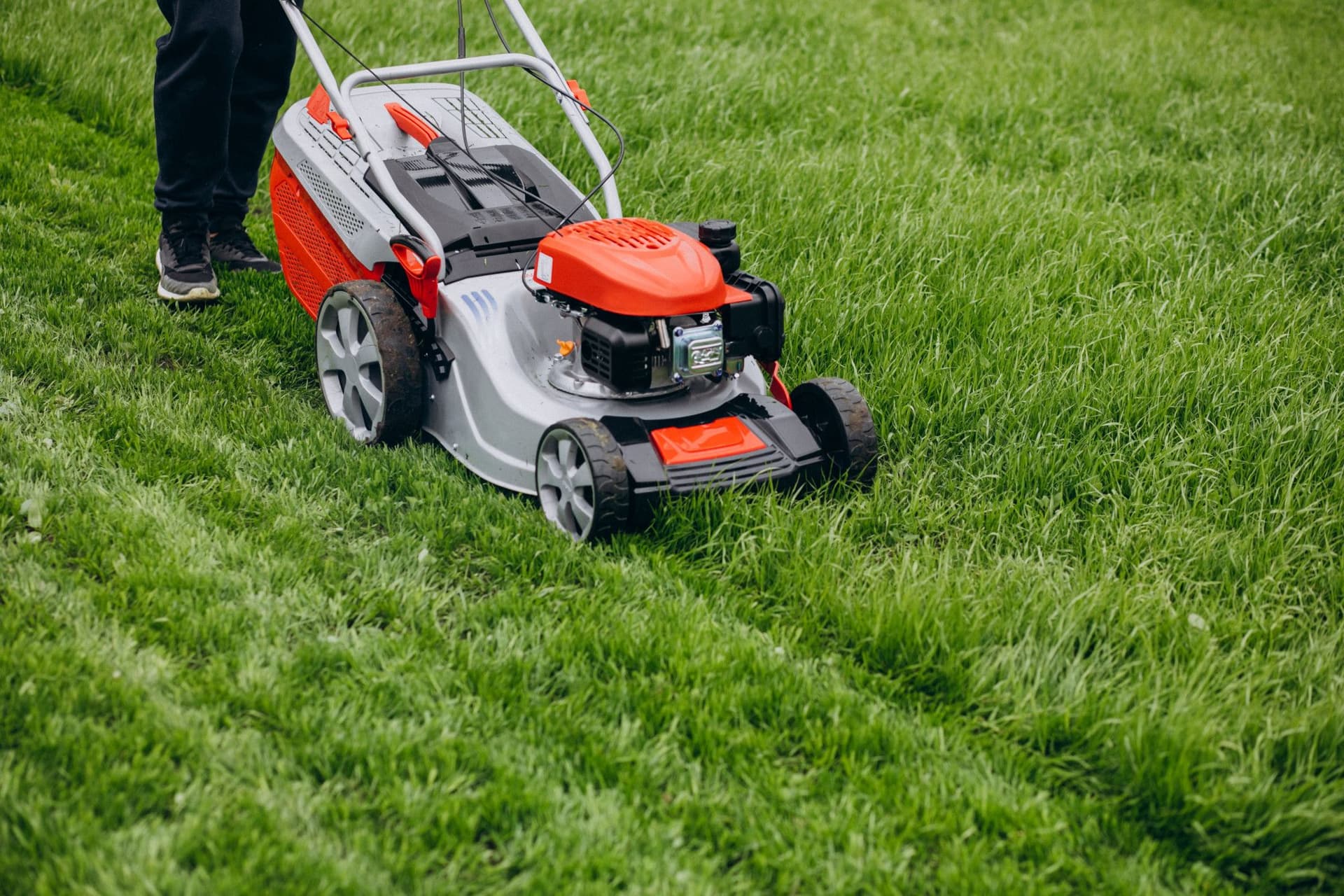
Best Time to Mow Lawn – A Complete Guide

5 min read · 10 Aug 2026

Best Time to Mow Lawn – A Complete Guide

Explore when to mow your lawn for its health and a pleasant green color. Find out the best time for this task during the summer heat, and follow practical tips for correctly cutting the grass, and learn common mistakes to avoid.

Plant Care
Best Time to Mow Lawn – A Complete Guide
Best Fertilizer for Vegetable Gardens – What to Use for Each Plant

11 min read · 20 Jul 2026

Best Fertilizer for Vegetable Gardens – What to Use for Each Plant

Here, you’ll find the right fertilizer formula for vegetables in your garden. Learn how to adjust feeding correctly throughout the growing cycle, spot nutrient deficiencies by their symptoms, and keep your plants healthy and prolific.

Plant Recommendations
Best Fertilizer for Vegetable Gardens – What to Use for Each Plant