Strap-Leafed Bulbine Care (Bulbine narcissifolia)

Also known as: Strapleaf Kopieva, Strapleaf Beardstyle, Strapleaf Bulbine
Strap-Leafed Bulbine

About Strap-Leafed Bulbine

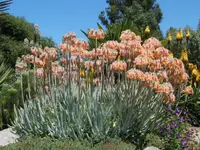
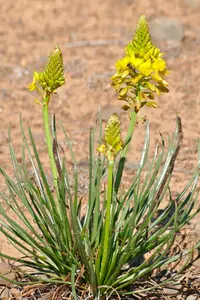
Strap-Leafed Bulbine (Bulbine narcissifolia) is a clump-forming succulent perennial with long, narrow, strap-like leaves that arch gracefully from a central base. It produces tall flowering stems topped with small, starry yellow blooms that attract pollinators in warm seasons.

This species is native to South Africa, where it grows in open, sunny grasslands and rocky slopes. It adapts well to dry gardens and low-maintenance landscapes.

The plant is valued for its drought tolerance, ability to cope with poor, sandy soils, and relatively fast growth. These traits make it straightforward to care for Strap-Leafed Bulbine in mild climates or protected spots with bright light and good drainage.

Main Plant Requirements

Care Difficulty

Easy Care

Light Preference

Full Sun

Water Requirements

Low Water

Temperature Preference

Warm Climate

Hardiness Zone

9–11

Soil Texture

Sandy, Loamy, Rocky

Soil pH

Slightly acidic (6.5–7.0), Neutral (7.0)

Soil Drainage

Well-drained

Fertilization

Minimal (feed rarely)

Get Personalized Care Plan

Scan your plant to receive care tips personalized for your specific plant

Available on iOS and Android

How to Care for the Strap-Leafed Bulbine

This sun-loving perennial thrives with bright exposure and copes well with heat when established.

  • Provide 6–8 hours of direct sun daily; morning sun plus light afternoon shade suits most climates and reduces stress on Strap-Leafed Bulbine leaves.
  • In very hot regions, protect from harsh midafternoon sun with 30–50% shade cloth or light canopy cover to prevent leaf scorch and overly rapid soil drying.
  • In coastal or cooler areas, full sun all day promotes dense growth and more flowers; in higher shade, expect leggier stems and fewer blooms.

This drought-tolerant succulent prefers deep, infrequent watering rather than constant moisture.

  • Water when the top 3–5 cm of soil are completely dry; in the ground, this often means soaking less often but more thoroughly, especially during dry spells.
  • Use fast-draining, sandy or gritty soil so excess water runs off quickly; persistent sogginess or standing water promotes root rot in Bulbine narcissifolia.
  • Reduce watering in cool seasons when growth slows; prune off shriveled, limp leaves from underwatering and soft, yellowing, or translucent leaves from overwatering.

This species prefers warm, dry conditions and dislikes prolonged cold or frost.

  • Aim for 65–85°F (18–29°C) during active growth; stable warmth encourages continuous leaf production and flowering.
  • Protect plants when temperatures approach 30–32°F (-1–0°C); brief light frost may burn foliage, but repeated freezes can kill crowns and roots.
  • In hot climates with summer highs above 95°F (35°C), provide mulch and occasional afternoon shade to limit root stress and prevent heat-scorch on older foliage.

This drought-tolerant succulent handles 30–50% humidity easily and rarely needs extra moisture in the air.

  • Tolerates typical dry indoor air and outdoor arid conditions without special humidity equipment.
  • Low humidity is usually safer than excess moisture, which can encourage fungal leaf spots and rot at the crown.
  • If tips shrivel while soil is moist, reduce crowding around the plant and increase air movement rather than adding humidity.

Bulbine narcissifolia prefers lean, sandy, very free-draining soil that mimics dry, rocky habitats.

  • Use a cactus or succulent mix amended with 20–30% coarse sand or fine gravel to improve drainage and structure.
  • Aim for slightly acidic to neutral pH around 6.0–7.0, avoiding strongly acidic or alkaline conditions that restrict nutrient uptake.
  • In heavy native soil, mix in coarse sand and perlite at the planting area to increase aeration and prevent waterlogging.
  • Avoid compacted clay, peat-heavy mixes, or any site where water lingers for more than a few hours after watering or rain.

This species is well suited to container growing in dry, sunny spots.

  • Choose a pot at least 25–30 cm deep to allow its fibrous roots to anchor and support tall, strap-like leaves.
  • Use a heavy terracotta or concrete container outdoors to keep the clump stable against wind and reduce tipping.
  • Lift the container slightly on pot feet or bricks so drainage holes clear quickly and the root zone never sits in runoff.

Bulbine narcissifolia benefits from light feeding but grows reasonably well in lean soils.

  • Use a balanced, diluted liquid fertilizer (for example 10-10-10 at 1/2 strength) or a light top-dressing of compost in spring.
  • Apply fertilizer every 4–6 weeks during the active growing season if growth or flowering seems weak.
  • Avoid heavy feeding; Strap-Leafed Bulbine is adapted to relatively low-nutrient conditions and may grow weak, lush foliage if overfed.
  • Stop feeding in late fall and through winter to match the plant’s slower growth.

Bulbine narcissifolia responds well to light, periodic pruning that keeps clumps tidy and flowering well.

  • In late winter or early spring, remove dead, damaged, or mushy leaves at the base with clean hand pruners or sharp scissors.
  • Shear or pinch off spent flower stalks to encourage continued blooming and a neater shape.
  • Thin crowded rosettes by cutting out weak, shaded growth, which improves air flow and reduces fungal issues.
  • Disinfect tools before and after use to limit disease spread, especially in damp or cool conditions.

Container-grown Bulbine narcissifolia and young garden clumps benefit from occasional transplanting to maintain vigor.

  • Check for roots circling the pot, pushing through drainage holes, or noticeably slowed growth as signs repotting is needed.
  • Plan repotting or transplanting in spring, every 2–3 years, when plants resume active growth and recover more quickly.
  • Use a free-draining mix (cactus or sandy potting soil) and move only 1 pot size up to avoid waterlogged conditions.
  • Handle roots gently, keep them slightly moist, shade the plant for a few days after moving, and water lightly until new growth appears.

Bulbine narcissifolia is most commonly propagated by division, with seeds and cuttings as secondary options.

  • Divide mature clumps in spring, lifting and gently pulling apart offsets with a good root portion attached.
  • Replant divisions in sandy, well-drained soil, water lightly, and keep in bright, indirect light until established.
  • Sow fresh seed in a warm spot (68–75°F) on the surface of a gritty mix, keeping it just lightly moist for germination.
  • For leaf rosette cuttings, allow any cut surface to dry for 1–2 days, then plant shallowly and avoid heavy watering until roots form.

Bulbine narcissifolia is moderately frost-sensitive and benefits from simple winter precautions in colder regions.

  • In USDA zones 9–11, plants usually overwinter outdoors with minimal attention if soil drains well.
  • In cooler zones, apply a 5–8 cm layer of dry mulch around the root zone, keeping it off the crown.
  • Move container plants indoors or into a bright, frost-free greenhouse before temperatures drop below 32°F.

Care Tips

Divide Mature Clumps

Every 3–4 years, lift and divide congested clumps at the start of warm weather, replanting vigorous outer sections to maintain flowering performance and reduce disease build-up in the center of the plant.

Encourage Continuous Bloom

Deadhead spent flower spikes by cutting them back close to the foliage, which redirects energy into new inflorescences and keeps the plant producing more blooms over a longer season.

Plan for Winter Drainage

In regions with cool, wet winters, plant on a slight mound or raised bed so crown and roots sit above surrounding soil, reducing the risk of rot during prolonged rainfall.

Use Gravel Mulch

Apply a 1–2 in layer of coarse gravel or small stones around the base instead of organic mulch to suppress weeds, keep foliage dry, and mimic the plant’s natural, free-draining habitat while caring for Strap-Leafed Bulbine.

Support In Windy Sites

In exposed gardens, group several plants together or position them near low shrubs or rocks to break wind, which prevents tall, fleshy flower stems from kinking or snapping.

Common Pests and Diseases

Aloe mite

This pest causes rough, warty, tumor‑like galls on leaves and flower stalks, often distorting new growth. Symptoms include swollen, irregular tissue that may turn corky or brown over time.

Solution

Remove and discard all affected leaves or flower stalks well below the damaged tissue, sterilizing cutting tools between cuts. Dispose of pruned material in the trash (not compost), then isolate the plant and apply a sulfur-based miticide or horticultural oil labeled for eriophyid mites, repeating as directed while monitoring nearby succulents closely.

Aphids

These insects cluster on young shoots and flower stems, sucking sap and causing leaf curling, sticky honeydew, and sooty mold growth. This pest can deform flower spikes and weaken the plant if populations become high.

Solution

Rinse colonies off with a firm stream of water, focusing on tender tips and flower stalks, then spot-treat remaining aphids with insecticidal soap or neem oil applied to all plant surfaces. Encourage natural predators outdoors by avoiding broad-spectrum insecticides and removing heavy infested flower spikes if needed.

Snails and slugs

These pests chew irregular holes and notches in the fleshy leaves, often leaving slime trails around the plant. Damage is usually worse on young leaves and in damp, shaded conditions.

Solution

Hand-pick snails and slugs in the evening, remove nearby hiding spots such as dense mulch or debris, and use iron phosphate bait around, not on, the plant. Improve drainage and airflow around the clump to keep the soil surface drier and less attractive to these pests.

Leaf spot

This disease causes small, water-soaked or brown lesions on leaves that may enlarge, coalesce, and cause premature leaf yellowing. Symptoms include spots that sometimes have darker margins and appear more often in humid, poorly ventilated conditions.

Solution

Remove and discard heavily spotted leaves, avoid overhead watering, and space plants to improve airflow. If the problem persists, apply a copper-based or other labeled fungicide to foliage during wet periods and keep the crown dry to support healthy new growth when growing Strap-Leafed Bulbine.

Basal crown rot

This disease affects the base of the rosette where leaves meet the roots, causing soft, discolored tissue, plant collapse, and a foul smell in advanced cases. Symptoms include outer leaves yellowing, then pulling away easily from a mushy crown in waterlogged or compacted soils.

Solution

Uproot and discard severely affected plants and improve soil structure with coarse sand or gravel to ensure sharp drainage. For mild cases, cut away all soft tissue, dust healthy remaining sections with a sulfur or biological fungicide, replant in fresh, well-drained mix, and avoid overwatering, especially in cool weather.

Interesting Facts

Grassland succulent leaves

This species forms dense clumps of long, narrow, strap-like succulent leaves that allow it to store water while still resembling a grass, an adaptation to its open South African grassland habitat.

Fire-tolerant growth habit

In its native range, the plant often survives grassland fires because its growth point is at or just below soil level, allowing it to resprout from the base after burning.

Specialist pollinator visitors

The star-shaped yellow flowers are visited by a variety of small insects in southern Africa, including bees and flies, which are attracted by both pollen and nectar produced over an extended blooming period.

Botan icon

Did you know?

Bulbine narcissifolia naturally occurs across several South African provinces, often on rocky slopes and well-drained grasslands, where it can form noticeable colonies that help stabilize shallow soils against erosion.

FAQs about Strap-Leafed Bulbine

The flowers produce nectar and pollen that strongly attract bees and small butterflies. Planting several clumps together creates a long-lasting food source and supports local pollinators in low-water, sunny landscapes and mixed perennial borders.

Grow Healthy Plants with Botan Care

Keep your plants happy and healthy with plant identification, disease detection, and easy care guidance.

Botan plant care app — identify plants on mobile

Explore More Plants