

Use alpine trays
Grow this species in a wide, shallow tray or pan rather than a deep pot to mimic its natural, wind-exposed habitat and to keep the root zone cool and evenly moist.

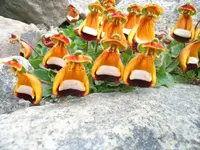
Darwin's slipper, Calceolaria uniflora, is a small alpine perennial native to windy, cool regions of southern Patagonia in South America. It forms low clumps close to the ground, adapted to harsh mountain conditions.
The plant is best known for its unusual slipper-shaped orange and yellow flowers with a contrasting white lip, held on short stems above compact foliage. Its slow growth and sensitivity to heat and excess moisture make it more challenging than common houseplants.
Gardeners who wish to care for Darwin's Slipper usually provide cool temperatures, bright but gentle light, and sharply draining, gritty soil that never stays waterlogged.

Care Difficulty
Hard Care

Light Preference
Full Sun

Water Requirements
Regular Water

Temperature Preference
Cold Hardy

Hardiness Zone
5–7

Soil Texture
Sandy, Loamy, Rocky

Soil pH
Acidic (5.5–6.5)

Soil Drainage
Moist but well-drained

Fertilization
Minimal (feed rarely)
Scan your plant to receive care tips personalized for your specific plant
Available on iOS and Android
This alpine species prefers bright, cool light that mimics open, high-elevation habitats.
This plant prefers steadily moist, cool soil without prolonged drying or waterlogging.
This species thrives in cool conditions similar to its native Patagonian alpine climate.
This alpine species prefers cool, moderately moist air and is somewhat sensitive to very dry indoor environments.
This plant requires a light, sharply drained yet moisture-retentive substrate that mimics cool alpine scree with organic pockets.
This species can be grown in containers if the pot prevents waterlogging and overheating of the root zone.
Calceolaria uniflora is a low-nutrient alpine species, so use light feeding only during its active growth.
Pruning needs for Calceolaria uniflora are minimal and focus on cleanliness rather than shaping.
This species is short-lived and usually grown in place, so repotting or transplanting is infrequent and should be gentle.
Propagation of Calceolaria uniflora is most reliable from fresh seed and suits patient growers.
This alpine plant tolerates cool conditions but needs careful handling in regions with wet, freezing winters.

Plant Health Check
Not sure what's wrong with your plant? Check your plant's health inside the app.
The inflated lower lip of the flower forms a pouch that visually resembles a tiny bird, which is thought to help attract passing animals in its native Patagonian habitats.
In the wild, this species is pollinated primarily by the upland goose (Chloephaga picta), which feeds on the fleshy lip of the flower while transferring pollen between plants.
The plant naturally grows in cold, windswept steppe and subantarctic mountain environments of southern Argentina and Chile, often in rocky, well-drained soils near melting snow.

The flowers produce a nutritious, fleshy food body on the lower lip rather than the usual liquid nectar, making this one of the few flowering plants adapted specifically to reward and be pollinated by a grazing bird instead of insects.
Lack of blooms usually results from insufficient light, overly warm conditions in winter, or excess nitrogen fertilizer. This alpine species forms buds after a cool rest period; avoid heavy feeding and keep temperatures on the cooler side before flowering.
Keep your plants happy and healthy with plant identification, disease detection, and easy care guidance.

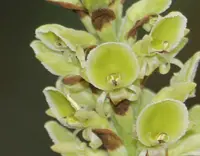
Fringed Ground Orchid
Altensteinia fimbriata
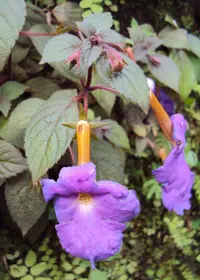
Achimenes longiflora
Achimenes longiflora
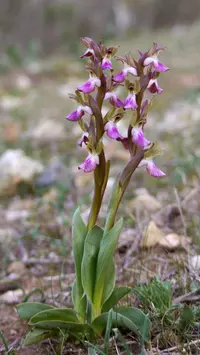
Fan-lipped Orchid
Anacamptis collina
white wood aster
Eurybia divaricata
Dotted Viooltjie
Lachenalia punctata
Sneezewort
Achillea ptarmica
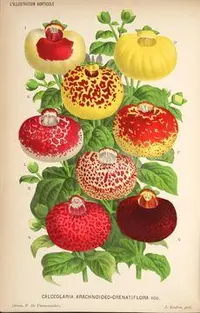
Calceolaria crenatiflora
Calceolaria crenatiflora
coastal bird's-foot trefoil
Acmispon maritimus