Alexandrian laurel Care (Calophyllum inophyllum)

Also known as: Beach Calophyllum, Borneo Mahogany, Balltree
Alexandrian laurel

About Alexandrian laurel

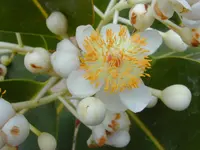
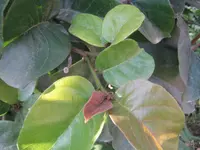
Alexandrian laurel, Calophyllum inophyllum, is a broadleaf evergreen tree valued for its glossy leaves, fragrant white flowers, and round green to brown fruits. It is typically grown outdoors in warm coastal regions, where it forms a dense, rounded crown that provides reliable shade and wind protection.

This species is native to tropical coasts of the Indian and Pacific Oceans, often found near beaches and sandy shorelines. It is generally considered hardy in warm climates but needs protection from frost, so understanding how to care for Alexandrian laurel is important.

The tree prefers full sun, moist but well-drained soil, and consistent warmth. Its salt tolerance and relatively low maintenance needs can make it suitable for experienced gardeners in coastal areas.


Main Plant Requirements

Care Difficulty

Moderate Care

Light Preference

Full Sun

Water Requirements

Moderate Water

Temperature Preference

Tropical / Frost Sensitive

Hardiness Zone

10–11

Soil Texture

Sandy, Loamy, Organic-rich

Soil pH

Acidic (5.5–6.5), Slightly acidic (6.5–7.0)

Soil Drainage

Moist but well-drained

Fertilization

Minimal (feed rarely)

Get Personalized Care Plan

Scan your plant to receive care tips personalized for your specific plant

Available on iOS and Android

How to Care for the Alexandrian laurel

This tropical evergreen thrives in strong light and benefits from consistent daily sun exposure outdoors.

  • Provide 6–8 hours of direct sun daily, ideally with morning sun and light afternoon shade in very hot climates, which suits Alexandrian laurel in coastal areas.
  • Young trees tolerate partial shade, but growth is denser and flowering heavier in full sun; aim for at least 4 hours of unshaded light.
  • Watch foliage color and density; sparse, leggy shoots indicate insufficient light, while leaf scorch or bronzing suggests too much intense afternoon sun.

This coastal tree prefers steady moisture but is highly intolerant of waterlogged soil.

  • In the ground, allow the top 5–8 cm of soil to dry slightly, then water deeply so moisture reaches the full root zone, especially during the first 2–3 years after planting.
  • Reduce watering in cool or rainy seasons and increase during hot, dry, windy periods; mature Calophyllum inophyllum handles brief drought once well rooted.
  • Poor drainage, yellowing leaves, and soft roots indicate overwatering, while dull, curling leaves and dry, hard soil signal the need for a thorough soak.

This species is strictly tropical and must be protected from cold conditions.

  • Optimal growth occurs around 70–90°F (21–32°C), which supports active shoot growth and flower production in warm coastal and lowland landscapes.
  • The tree is highly frost-sensitive; tissue damage occurs near 40°F (4°C), and prolonged exposure below 35°F (2°C) can kill young plants.
  • Mature trees tolerate brief heat up to about 100°F (38°C) if soil moisture is adequate, but hot, dry winds increase leaf scorch risk and demand closer watering attention.

This coastal evergreen tolerates a wide humidity range but benefits from moderate moisture in the air.

  • Aim for 40–70% humidity; levels near the lower end are usually acceptable for Alexandrian laurel.
  • Curls or browning at leaf edges and slower growth can indicate air that is too dry for extended periods.
  • Increase humidity outdoors by grouping plants near other vegetation, or indoors by placing trays of water and stones nearby without wetting the roots.

This species prefers loose, well-drained, sandy to loamy soil that does not stay waterlogged.

  • Use a mix such as 50–60% sandy or loamy topsoil, 20–30% coarse sand, and 10–20% compost for structure and nutrients.
  • Ensure rapid drainage; add coarse sand or fine gravel if water does not drain through within a few minutes after watering.
  • Maintain slightly acidic to neutral pH, roughly 6.0–7.5, which supports nutrient availability for Calophyllum inophyllum.
  • Avoid heavy, compacted clay or mixes rich in peat that stay wet for long periods, as these promote root decline and fungal problems.

This tree can be grown in containers when kept relatively small, though long-term size is limited.

  • Choose a deep, heavy pot to counterbalance the developing woody crown and reduce the risk of tipping in wind.
  • Leave a generous gap between soil surface and pot rim so thorough watering does not overflow when the mix settles.
  • Select a container material that moderates moisture, such as thick-walled clay, to prevent prolonged saturation around the root zone.

Calophyllum inophyllum benefits from modest, steady nutrition but tolerates lean soils once established.

  • Use a balanced slow‑release fertilizer or compost in spring to support new growth and flowering.
  • Feed container or young Alexandrian laurel trees every 6–8 weeks during the warm growing season.
  • Apply at 1/2–3/4 label strength to avoid salt buildup in coastal or sandy soils.
  • Reduce or stop feeding in late fall and winter when growth slows.

Pruning Calophyllum inophyllum is mainly used to manage size, structure, and clearance rather than to maintain health.

  • Carry out main pruning in late winter or very early spring before active growth.
  • Remove dead, crossing, storm‑damaged, or low crowding branches that interfere with walkways or buildings.
  • Use clean, sharp hand pruners or a pruning saw, making smooth cuts just outside the branch collar.
  • Limit heavy canopy reduction to staged cuts over several years to avoid sunscald and stress.

This coastal tree is usually grown in the ground, so focus on careful transplanting of young Calophyllum inophyllum plants.

  • Transplant in late spring or early summer once soil is warm and stable weather is likely.
  • Look for roots circling the pot, slow growth, or plants toppling as signs a container seedling needs more space.
  • Lift gently, tease apart circling roots, and set at the same depth in a hole 2–3× wider than the root ball.
  • Water deeply after planting, then keep evenly moist and shaded for 1–2 weeks to limit transplant shock.

New Calophyllum inophyllum plants are usually raised from seeds, with rooting cuttings considered more advanced work.

  • Collect fully mature, fallen fruits and remove the pulp before sowing the seeds.
  • Sow in late spring to early summer in a warm, bright spot with a free‑draining, sandy mix.
  • Maintain steady warmth around 75–85°F and light, consistent moisture to support slow, uneven germination.
  • For semi‑hardwood cuttings, use rooting hormone, bottom heat, and high humidity, expecting variable success.

This tropical tree is frost sensitive and needs protection in regions with cool winters.

  • In USDA zones colder than 10, grow Calophyllum inophyllum in large containers that can be moved indoors.
  • Before first frost, shift pots to a bright, frost‑free space kept above 50°F.
  • In mild coastal climates, apply a 5–8 cm mulch layer over the root zone to buffer short cool spells.

Care Tips

Coastal Wind Management

In exposed coastal sites, use a temporary windbreak fence or plant a nurse row of tough shrubs on the windward side for the first 2–3 years to reduce leaf scorch and trunk flexing while the tree establishes a strong root system.

Salt Spray Rinsing

After ocean storms or periods of intense sea spray, hose the foliage with fresh water in the early morning to wash off salt deposits and reduce the risk of leaf burn and marginal browning.

Structured Crown Training

During the first 5–7 years, select 3–5 evenly spaced main scaffold branches and remove strongly competing leaders in late winter to build a balanced, storm‑resistant canopy that will need less corrective pruning later.

Root Zone Mulch Ring

Maintain a 5–10 cm deep, weed‑free organic mulch ring extending at least to the drip line, but kept 8–10 cm away from the trunk, to stabilize soil moisture, protect surface feeder roots, and reduce mower or string‑trimmer damage.

Fruit And Debris Management

In high‑traffic areas, regularly collect fallen fruit and large seeds to prevent slip hazards, discourage rodents, and keep the soil surface open for aeration when caring for Alexandrian laurel in public or residential landscapes.

Common Pests and Diseases

Scale insects

This pest feeds on sap along young stems, twigs, and leaf undersides, causing yellowing foliage and sticky honeydew. Infestations are common on sheltered or stressed trees, especially in warm, humid sites.

Solution

Prune and destroy heavily infested twigs, then wipe or gently scrub accessible stems with a cloth or soft brush dipped in insecticidal soap or a light horticultural oil, repeating every 7–14 days until new growth is clean. Encourage natural predators outdoors and avoid excess nitrogen fertilization, which pushes soft, scale-prone growth.

Leaf spot

This disease causes small brown to dark lesions that may merge into larger patches, sometimes with yellow halos, especially during warm, wet weather. Symptoms include premature leaf drop on lower and inner branches when infection is heavy.

Solution

Collect and discard fallen leaves to reduce spores, and improve airflow by thinning crowded interior branches. Avoid wetting foliage when irrigating, and if the problem recurs in humid climates, apply a copper-based fungicide labeled for ornamental trees at the start of the rainy season according to label directions.

Sooty mold

This disease forms black, soot-like fungal growth on leaves and stems, developing on the sugary honeydew excreted by sap-feeding insects such as scale or aphids. Symptoms include dull, blackened foliage that may photosynthesize less but usually shows limited tissue death.

Solution

Control the underlying honeydew-producing insects first, then gently wash affected leaves with lukewarm water and a small amount of mild soap to remove the fungal coating. Increase light and airflow around the canopy to help leaves dry faster and reduce future mold buildup, which supports Calophyllum inophyllum care in humid coastal climates.

Leaf miner

These insects create pale, winding tunnels inside the leaves, causing blotchy or serpentine trails and occasional leaf distortion. Severe damage can reduce vigor in young or container-grown plants.

Solution

Promptly remove and discard leaves showing fresh mines to interrupt the larval stage. For recurring problems on young trees, use a systemic insecticide or a labeled spinosad product applied according to directions when new flushes of foliage begin, and keep the plant well watered but not waterlogged to maintain resilience.

Interesting Facts

Natural coastal barrier

This evergreen tree often forms dense stands along tropical shorelines, where its extensive root system and strong, wind-resistant crown help stabilize sandy soils and protect coasts from salt spray and erosion.

Fragrant night-blooming flowers

The creamy white flowers open mainly in the evening and release a strong, sweet fragrance at night, attracting nocturnal pollinators such as moths and certain beetles.

Oil-rich spherical seeds

Its round seeds contain a thick, aromatic oil stored in the kernel; this oil has been traditionally extracted in many Indian Ocean and Pacific regions and is now chemically characterized as rich in fatty acids used in cosmetics research.

Botan icon

Did you know?

The species is remarkably tolerant of salt, wind, and intense sun and can grow directly behind beaches in coral sand or rocky coastal substrates, which is why it naturally lines many tropical shorelines from East Africa through Southeast Asia to the Pacific islands.

FAQs about Alexandrian laurel

This species performs much better outdoors in warm, frost-free climates. It needs full sun, space for its deep root system, and coastal-style conditions. Indoors it quickly declines due to low light, restricted roots, and poor air movement.

Grow Healthy Plants with Botan Care

Keep your plants happy and healthy with plant identification, disease detection, and easy care guidance.

Botan plant care app — identify plants on mobile

Explore More Plants