Angular Sea-fig Care (Carpobrotus glaucescens)

Also known as: pigface
Angular Sea-fig

About Angular Sea-fig

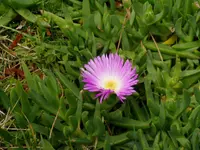
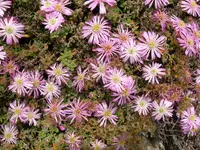
Angular sea-fig, Carpobrotus glaucescens, is a sprawling, mat-forming succulent commonly used as a coastal groundcover. It has thick, triangular leaves and showy, daisy-like flowers in pink to purple tones.

This species is native to sandy coastal dunes and cliffs in eastern Australia, where it stabilizes soil and tolerates salt-laden winds. Its fleshy leaves and shallow roots store water, making it very drought tolerant and generally easy to maintain.

In gardens, it suits rockeries, sandy banks, and seaside plantings, and can be grown in large containers in warmer climates. Those who want to learn how to care for Angular Sea-fig should focus on very free-draining soil, strong light, and avoiding prolonged wet conditions.

Main Plant Requirements

Care Difficulty

Easy Care

Light Preference

Full Sun

Water Requirements

Low Water

Temperature Preference

Tropical / Frost Sensitive

Hardiness Zone

9–11

Soil Texture

Sandy, Loamy, Rocky

Soil pH

Slightly acidic (6.5–7.0), Slightly alkaline (7.0–7.5)

Soil Drainage

Well-drained

Fertilization

Minimal (feed rarely)

Get Personalized Care Plan

Scan your plant to receive care tips personalized for your specific plant

Available on iOS and Android

How to Care for the Angular Sea-fig

This coastal succulent thrives in strong light and suits exposed sites near the sea or in dry gardens.

  • Provide 6–8 hours of direct sun daily; full sun promotes dense growth and abundant flowers when caring for Angular Sea-fig.
  • It tolerates light afternoon shade in very hot inland sites, but prolonged shade leads to weak, stretched stems and sparse flowering.
  • In summer, new plantings may benefit from a few weeks of light midday shade, while in winter an open, unobstructed position maximizes low-angle sun.

This species is highly drought-tolerant and prefers infrequent, deep watering once established.

  • Outdoors in free-draining sandy soil, allow the top 5–8 cm to dry completely before watering, then soak the root zone thoroughly.
  • Reduce watering in cool or overcast weather; leaves that turn soft, split, or translucent often indicate overwatering, especially in compacted soil.
  • Wrinkling or slight leaf shriveling suggests the plant is too dry; improve drainage using sandy, gritty soil to prevent root rot in Carpobrotus glaucescens.

This coastal groundcover tolerates a wide temperature range but grows best in mild, frost-free climates.

  • Optimal growth occurs around 65–80°F (18–27°C), when stems spread quickly and flowering is most consistent.
  • Mature plants usually survive brief dips to about 28–30°F (-2 to -1°C), but repeated or hard frosts can damage foliage and young growth.
  • In hot regions, plants handle 95–100°F (35–38°C) if soil is well-drained; extreme heat with reflected radiation may scorch tissue near paving or walls.

Humidity is rarely limiting for this coastal succulent, which thrives in dry air.

Carpobrotus glaucescens prefers very free-draining, sandy soil that mimics coastal dunes.

  • Use a cactus/succulent mix blended with 30–50% coarse sand or fine gravel for sharp drainage.
  • Aim for slightly acidic to neutral pH around 6.0–7.0, avoiding strongly alkaline, compacted ground.
  • Add a small amount of fine compost only if needed, keeping organic matter low to reduce rot risk.
  • Avoid clay-heavy, water-retentive, or muddy soils and raise the planting area or bed to improve aeration.

This species adapts well to container growing when planted in wide, shallow, very free-draining pots.

  • Choose a low, heavy container or secure the pot to prevent tipping as the plant trails over the rim.
  • Select unglazed clay if possible, as it allows faster drying and reduces the chance of waterlogged roots.
  • Leave a 2–3 cm dry top layer of mix as a buffer against brief overwatering and to keep stems from sitting in wet media.

Carpobrotus glaucescens is a low-nutrient coastal succulent that benefits from light feeding in poor or sandy soils.

  • Use a balanced, low-strength liquid fertilizer at 1/4–1/2 label rate or a light dressing of compost in spring.
  • Feed every 6–8 weeks during active growth if soil is very lean; skip feeding on fertile sites.
  • Avoid high-nitrogen products, which cause soft, weak growth and reduce flowering.
  • Stop feeding in late summer so plants harden off before winter; do not fertilize when growth is dormant.

Pruning helps keep Carpobrotus glaucescens dense, flowering well, and within its intended spread.

  • Best time is late winter to early spring before strong new growth begins.
  • Shear or trim back long, straggly runners to maintain shape and prevent unwanted spread.
  • Remove dead, damaged, or rotting stems to improve air flow and reduce disease risk.
  • Use clean, sharp hand pruners or shears, cutting just above healthy joints or branching points.

Carpobrotus glaucescens is usually grown as a groundcover and is moved only when it outgrows its space or container.

  • Transplant in spring or early summer when soil is warm and plants are actively growing.
  • Look for roots circling inside pots, plants lifting from the soil, or slow growth as signs it needs a larger space.
  • For containers, shift to a wide, shallow pot with very free-draining, sandy mix to limit root stress.
  • Water lightly after moving, then allow soil to dry between waterings so disturbed roots can recover and re-anchor.

Propagation of Carpobrotus glaucescens is commonly done from stem cuttings because they root fast in suitable conditions.

  • Take 7–10 cm non-flowering stem cuttings in late spring to late summer from healthy runners.
  • Allow cut ends to dry for 1–2 days, then place in very free-draining sandy or cactus mix.
  • Keep in bright, indirect light at 65–80°F and water sparingly until roots form.
  • Seed sowing in warm conditions is possible but slower and less consistent than cuttings.

This coastal succulent needs attention in regions with frosts, even though established plants tolerate brief light cold.

  • Angular Sea-fig prefers climates above about 25°F; prolonged hard freezes can kill foliage and stems.
  • In-ground plants benefit from a light, gritty mulch around the crown to moderate soil temperature.
  • Move containers to a bright, cool, frost-free spot and keep soil almost dry during winter.
  • Avoid wet, cold soil, which greatly increases the risk of root and stem rot.

Care Tips

Contain Spreading Edges

Install a shallow root barrier or edge trench 10–15 cm deep around beds to prevent this fast groundcover from invading lawns or nearby plantings while still allowing dense coverage inside the defined area.

Encourage Dense Mats

Lightly tip-prune vigorous runners in late spring to encourage side-branching, which produces a thicker, more weed-suppressing mat instead of long, sparse strands.

Sand Mulch Topdress

Topdress with a 1–2 cm layer of coarse sand or fine gravel around stems in exposed sites to reduce stem rot risk, improve drainage at the crown, and stabilize plants against wind and foot traffic.

Salt Spray Tolerance Testing

Before planting large areas in coastal sites, grow a few test plants near the intended exposure for one season to confirm local tolerance to salt spray intensity and wind, then expand planting only from the best-performing individuals.

Low-Maintenance Propagation

When caring for Angular Sea-fig, simply pin down healthy runners with U-shaped wire pegs where new coverage is desired and allow the nodes to root for several weeks before cutting them free from the parent plant.

Common Pests and Diseases

Aphids

These insects feed on young shoots and flower buds, sucking sap and causing distortion, yellowing, and sticky honeydew on the foliage. This pest is often encouraged by lush, tender growth in nutrient-rich or overwatered coastal plantings.

Solution

Control light infestations by spraying the foliage with a firm stream of water or wiping shoots with a damp cloth or gloved hand, then repeat weekly until numbers drop. For heavier infestations, use an insecticidal soap or horticultural oil labeled for succulents, applied in the early morning or evening to avoid leaf burn and to protect pollinators.

Mealybugs

These insects appear as small white, cottony clusters in leaf axils and along stems, extracting plant sap and weakening spreading mats over time. This pest can be favored by overly sheltered, warm positions and overcrowded groundcover plantings.

Solution

Remove localized colonies by dabbing with cotton buds dipped in isopropyl alcohol, then prune and discard heavily infested stems. For broader infestations, use a systemic insecticide appropriate for ornamental succulents or repeat applications of horticultural oil, and reduce plant crowding to improve airflow along the mat edges.

Scale insects

These insects form small, rounded or oval shells on stems and leaf bases, where they feed on sap and may cause yellowing patches, reduced vigor, and localized dieback. This pest often establishes on older, woody sections of the mat that are less frequently disturbed.

Solution

Scrape off individual scales with a fingernail or soft brush and prune any severely affected runners, disposing of debris away from planting sites. When populations are higher, apply horticultural oil or a suitable systemic product according to label directions, ensuring good coverage of stems while avoiding treatment during strong sun or very high temperatures.

Botrytis blight

This disease, caused by the fungus Botrytis cinerea, leads to soft, water-soaked areas on leaves and stems that develop gray, fuzzy mold, especially after cool, wet weather. Symptoms include collapse of succulent tissues, particularly in dense mats with poor air circulation.

Solution

Cut out and discard all affected tissues promptly, including any decaying flowers or fruits, and avoid overhead watering that keeps foliage wet. Improve drainage and spacing, thin overly dense patches, and in persistent wet conditions consider a fungicide labeled for Botrytis on ornamentals, following local regulations and label guidance.

Phytophthora collar rot

This disease affects the stem base and roots, where waterlogged or poorly drained soils allow Phytophthora species to attack, leading to sudden wilting and death of sections within the mat. Symptoms include brown, discolored stem bases at soil level and rapid collapse of nearby shoots despite moist soil.

Solution

Remove and dispose of all affected plants and nearby soil, then improve drainage by raising the planting area, reducing irrigation, or amending with coarse sand or gravel. Avoid frequent shallow watering, source clean nursery stock, and where Phytophthora is a known issue, consult local extension services for resistant planting options and any approved soil treatments when planning future growing Angular Sea-fig projects.

Interesting Facts

Coastal sand stabiliser

This species naturally forms dense, creeping mats along Australian coasts, where its thick, succulent stems and roots help bind loose dune sand and reduce erosion in harsh, windy sites.

Salt and drought tolerant

The leaves store water and tolerate high salt levels, allowing the plant to thrive just above the high-tide line where many other species cannot survive prolonged dryness and salt spray.

Twilight-opening flowers

Its large pink to purple daisy-like flowers often open more fully in the afternoon toward evening, supporting nocturnal and crepuscular pollinators such as moths as well as daytime insects.

Botan icon

Did you know?

The fleshy, triangular leaves and fruits of Carpobrotus glaucescens are an important traditional coastal food for some Aboriginal Australian communities, where the salty-sour flavour and availability near shorelines have given it long-standing cultural value.

FAQs about Angular Sea-fig

This species spreads rapidly via long, rooting stems and can form dense mats several meters wide. In mild coastal climates it may outcompete other low plants, so containment edging or regular trimming is recommended in managed gardens.

Grow Healthy Plants with Botan Care

Keep your plants happy and healthy with plant identification, disease detection, and easy care guidance.

Botan plant care app — identify plants on mobile

Explore More Plants