entireleaf Indian paintbrush Care (Castilleja indivisa)

Also known as: Texas Paintbrush
entireleaf Indian paintbrush

About entireleaf Indian paintbrush

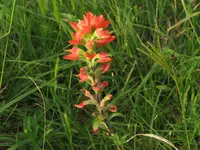
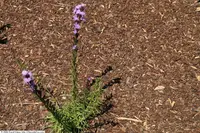
Entireleaf Indian paintbrush (Castilleja indivisa) is an annual wildflower native to prairies and open fields of the south-central United States, especially Texas. It is a hemiparasitic plant, meaning it taps into the roots of neighboring plants for some of its water and nutrients while still performing photosynthesis. Plants form upright clumps topped with bright red to orange bracts that surround small, less noticeable flowers, creating the brush-like look. In gardens, it is usually grown from seed and can be unpredictable, since success depends on having compatible host plants and the right site. It generally prefers full sun, well-drained soil, and low to moderate moisture, which is important to understand when learning how to care for entireleaf Indian paintbrush.

Main Plant Requirements

Care Difficulty

Hard Care

Light Preference

Full Sun

Water Requirements

Low Water

Temperature Preference

Warm Climate

Hardiness Zone

6–9

Soil Texture

Sandy, Loamy, Rocky

Soil pH

Acidic (5.5–6.5), Slightly acidic (6.5–7.0)

Soil Drainage

Well-drained

Fertilization

Minimal (feed rarely)

Get Personalized Care Plan

Scan your plant to receive care tips personalized for your specific plant

Available on iOS and Android

How to Care for the entireleaf Indian paintbrush

Castilleja indivisa thrives in bright, open sites with strong sun exposure.

  • Provide 6–8 hours of direct sun daily, with morning to early afternoon sun ideal for strong color and compact growth.
  • Tolerates light afternoon shade, especially in hotter regions, but flowering decreases if it receives less than 4–5 hours of direct sun.
  • In summer, monitor for leaf scorch on exposed, dry sites; in cool, cloudy seasons, choose the sunniest possible position for entireleaf Indian paintbrush.

This species prefers moderately dry conditions and is sensitive to prolonged soil saturation.

  • Water in-ground plants only when the top 3–5 cm of soil are dry, then soak the root zone thoroughly and allow excess water to drain away.
  • Use fast-draining, sandy or gravelly soil so water does not pool; soggy soil causes yellowing foliage, root rot, and weak growth in Castilleja indivisa.
  • During hot, dry spells, watch for wilting or dull, grayish foliage as a cue to water, but avoid frequent light sprinkling that keeps the surface constantly damp.

This annual wildflower is adapted to warm, temperate climates with mild winters and hot summers.

  • Active growth and flowering occur best around 65–85°F (18–29°C), with seedlings preferring the cooler end of this range in spring.
  • Mature plants tolerate short spikes up to about 95°F (35°C) if soil is not waterlogged and roots stay cool in well-drained ground.
  • Frost below 28°F (-2°C) can damage or kill foliage; in regions with colder winters, seeds must overwinter in soil, while top growth is treated as frost-tender.

This species tolerates a wide humidity range and does not usually require special adjustments outdoors.

  • Target 30–50% air humidity, which is typical for most outdoor conditions in regions where entireleaf Indian paintbrush naturally grows.
  • Dry air is usually tolerated if soil moisture is appropriate, but prolonged hot, desiccating winds can increase stress risk.
  • Humidity stress shows as rapid wilting and crisp leaf tips; provide brief wind protection or nearby low-level planting to slightly buffer air dryness.

Castilleja indivisa prefers lean, well-drained, sandy to rocky soil that mimics its native prairie conditions.

  • Use a mix such as 50–70% coarse sand or fine gravel with 30–50% low-organic loam to keep nutrients modest and roots oxygenated.
  • Ensure very sharp drainage; raised beds or sloped sites help excess water move away and reduce root rot risk.
  • Aim for slightly acidic to neutral pH around 6.0–7.2, avoiding highly alkaline or strongly acidic conditions that limit nutrient uptake.
  • Avoid heavy clay, peat-heavy, or water-retentive mixes; improve existing dense soil by incorporating coarse sand and small gravel for better aeration.

This species is generally unsuited to long-term container growing but can be tried short-term with careful setup.

  • Select a deep, narrow container that allows the taproot to extend downward without circling tightly near the base.
  • Use a very fast-draining medium and elevate the pot slightly so drainage holes never sit directly in collected runoff.
  • Choose a heavy, stable pot material like clay or thick ceramic to prevent tipping if the plant grows tall in windy conditions.

Castilleja indivisa is adapted to lean soils and usually needs little to no supplemental fertilizer in garden settings.

  • If growth is very weak in poor soil, apply a light top-dressing of well-aged compost once in early spring.
  • Use a low-rate, slow-release balanced NPK (such as 10-10-10) only if the plant shows clear nutrient deficiency.
  • Apply at 1/2 strength or less to avoid excessive foliage at the expense of blooms and host compatibility.
  • Do not feed during dormancy or winter; extra nutrients at that time add stress rather than benefit.

Pruning Castilleja indivisa is minimal and focuses on plant health and seed management rather than shaping.

  • In late spring or after flowering, remove spent flower spikes if seed is not desired, encouraging a tidier appearance.
  • Snip off dead, diseased, or storm-damaged stems with clean, sharp scissors or hand pruners to limit infection.
  • Avoid heavy cutting into healthy green tissue, since this short-lived wildflower relies on current growth for vigor.
  • At season’s end, allow some stems to set and drop seed if natural reseeding is desired.

This species is rarely kept long-term in containers, so focus on careful transplanting and minimal root disturbance.

  • Transplant in early spring or early fall, when temperatures are mild and moisture is more consistent.
  • Choose seedlings or young plants rather than mature clumps, as older roots resent disturbance and may decline.
  • Look for roots circling a plug cell or small pot and gently loosen only the outermost layer to limit shock.
  • Water thoroughly after transplanting, then maintain lightly moist, well-drained soil to help roots establish with less stress.

Propagation of Castilleja indivisa is typically done by seed, as vegetative methods are unreliable for home growers.

  • Sow fresh seed in fall or late winter in a well-drained, sandy mix to mimic natural conditions.
  • Provide a period of cool, moist conditions (cold stratification) to improve germination consistency.
  • Plant seeds near suitable host species, such as native grasses, since this hemiparasitic plant taps nearby roots.
  • Keep the seed zone evenly lightly moist, avoiding waterlogging, until seedlings are established outdoors.

In most mild to moderate climates, this annual or short-lived perennial requires little specific winter care.

  • In regions with occasional light frosts, natural dieback is normal and plants often reseed for the next season.
  • Leave some seed heads in place through fall so seed can disperse before hard freezes.
  • In colder areas, focus on fall seeding rather than overwintering plants, supporting a fresh generation each spring.

Care Tips

Host grass planning

Sow or plant a compatible native bunchgrass host, such as little bluestem or side-oats grama, 4–8 weeks before sowing seeds so the roots establish and can support the semi-parasitic paintbrush seedlings.

Direct seeding method

For best establishment, broadcast fresh seed in late fall over the prepared host grass area, press it firmly into the soil surface, and avoid covering it deeply so light and winter chilling can trigger germination in spring.

Minimal disturbance zone

After seedlings emerge, mark the planting area and avoid cultivating, mulching heavily, or stepping on it, since root disturbance can break connections to host plants and shorten the paintbrush’s life.

Seasonal re-sowing

Plan to re-sow seed in the same area every 1–2 years to maintain a continuous display, because individual plants are typically short-lived annuals or biennials even under good conditions.

Low-competition neighbors

When growing entireleaf Indian paintbrush, pair it with low, clump-forming native grasses and small wildflowers, and avoid aggressive groundcovers that can outcompete the young plants for light and root contact with hosts.

Common Pests and Diseases

Rust

This disease causes orange to brown powdery pustules on leaves and bracts, often leading to yellowing and premature leaf drop. Symptoms include reduced vigor and poor flowering in stressed or crowded stands.

Solution

Remove and discard heavily infected plants to reduce the spore load, and avoid overhead watering so foliage dries quickly. Improve spacing and airflow, and if needed use a sulfur or chlorothalonil-based fungicide labeled for ornamental rusts, applied according to label directions during humid periods.

Powdery mildew

This disease produces a white, powdery coating on leaves and bracts, especially in dense plantings with poor air movement. Symptoms include distorted new growth and reduced flowering if the infection is severe.

Solution

Increase sun exposure and airflow by thinning nearby vegetation and avoiding overcrowding. Remove badly affected foliage and, if conditions stay humid, apply a potassium bicarbonate, sulfur, or horticultural oil product labeled for powdery mildew at the first signs of infection.

Aphids

These insects cluster on tender new shoots and flower stems, sucking sap and causing curling, yellowing, and sticky honeydew deposits that can attract sooty mold. This pest can also stress the plant enough to reduce bloom quality.

Solution

Dislodge colonies with a firm stream of water, and pinch off heavily infested shoot tips when practical. Encourage beneficial insects, and if populations remain high, use insecticidal soap or a light horticultural oil, spraying in the early morning and coating stems and leaf undersides thoroughly.

Spider mites

This pest appears in hot, dry weather and causes fine stippling, bronzing, and eventual leaf drop, often with delicate webbing between leaves and stems. Symptoms include dull, dusty-looking foliage that declines quickly under drought stress.

Solution

Increase humidity around the planting by mulching the soil and avoiding prolonged drought, and rinse foliage occasionally with water to knock mites off. For persistent infestations, apply horticultural oil or insecticidal soap, directing coverage to the undersides of leaves and repeating as needed according to label guidance.

Interesting Facts

Texas coastal specialist

Entireleaf Indian paintbrush is native mainly to sandy prairies, open fields, and roadsides of the Gulf Coastal Plain in Texas, where it flowers most abundantly in late winter to spring before summer heat intensifies.

Parasitic root strategy

This species is a hemiparasite, forming specialized root connections called haustoria that tap into neighboring plants, especially grasses, to access water and nutrients while still performing its own photosynthesis.

Bracts as pollinator flags

The showy red to orange structures often mistaken for petals are actually colored bracts surrounding the small, less conspicuous true flowers, helping attract hummingbirds and other pollinators across open prairie habitats.

Botan icon

Did you know?

Entireleaf Indian paintbrush is one of the key species in the famous spring wildflower displays along Texas highways, where coordinated roadside conservation efforts have made its bright red swaths a recognizable regional symbol of early spring.

FAQs about entireleaf Indian paintbrush

This species behaves as a short-lived perennial but is often grown as an annual in gardens. It relies on partially parasitizing nearby host plants, so stands may self-sustain by reseeding rather than through long-lived individual plants.

Grow Healthy Plants with Botan Care

Keep your plants happy and healthy with plant identification, disease detection, and easy care guidance.

Botan plant care app — identify plants on mobile

Explore More Plants