Staking Flower Spikes
Install slender stakes or low plant rings early in the season and loosely tie the stems before they reach full height to prevent tall, top-heavy spikes from flopping in wind or heavy rain.

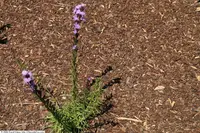
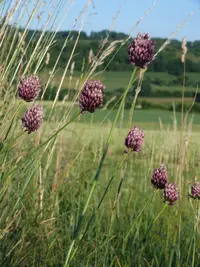
Shaggy blazing star, Liatris pilosa, is a clump-forming perennial wildflower in the aster family. It produces tall, slender spikes of purple flower heads above grassy foliage. The flower stalks often appear fuzzy or shaggy, which gives the plant its common name.
This species is native to dry prairies, open woods, and sandy clearings in the southeastern United States. It is adapted to lean, well-drained soils and periods of drought, which makes it relatively low-maintenance once established.
Understanding how to care for shaggy blazing star starts with providing plenty of sun, good drainage, and avoiding consistently wet conditions. Its toughness and adaptability make it suitable for naturalistic borders, pollinator gardens, and restoration plantings.

Care Difficulty
Easy Care

Light Preference
Full Sun

Water Requirements
Low Water

Temperature Preference
Cold Hardy

Hardiness Zone
5–9

Soil Texture
Sandy, Loamy, Rocky

Soil pH
Acidic (5.5–6.5), Slightly acidic (6.5–7.0)

Soil Drainage
Well-drained

Fertilization
Minimal (feed rarely)
Scan your plant to receive care tips personalized for your specific plant
Available on iOS and Android
Liatris pilosa thrives in open, sunny sites where it receives strong light for most of the day.
This prairie perennial prefers dry to moderately moist soil and is highly sensitive to excess water.
This species is a cold-hardy, heat-tolerant prairie plant that handles a wide temperature range once established.
Humidity is not a major factor for shaggy blazing star, which is adapted to dry, open habitats.
Liatris pilosa prefers lean, well-drained, sandy or gravelly soil that never stays waterlogged.
This species can be grown in containers if the pot is deep and drainable enough to mimic dry, open ground.
This prairie perennial prefers lean soil and needs only light feeding to support flowering without lush, floppy growth.
Pruning Liatris pilosa is simple and mainly helps maintain tidy growth and strong flowering the following year.
This species is most often grown in garden beds, where it resents frequent disturbance of its corm-based root system.
Liatris pilosa is commonly propagated by division or seed, both of which suit garden and restoration use.
This species is cold hardy in much of the US and usually needs minimal winter care in the ground.

Plant Health Check
Not sure what's wrong with your plant? Check your plant's health inside the app.
This species has distinctively hairy, or pilose, stems and leaves, which likely reduce water loss and provide some protection from herbivores in its dry, open habitats.
It is naturally restricted to the southeastern United States, especially dry sandhills, open pine-oak woods, and roadsides on sandy or well-drained soils.
The fluffy purple flower spikes open from the top downward in late summer to early fall and are heavily visited by native bees, butterflies, and moths, making it a valuable regional pollinator plant.

Liatris pilosa is considered of conservation concern in some parts of its range because habitat loss and fire suppression have reduced the open, frequently burned ecosystems where it naturally persists.
Lack of flowers usually comes from insufficient sun, overly rich or wet soil, or plants that are still immature. Avoid heavy fertilizer, ensure full light exposure, and give several seasons for strong corms to develop.
Keep your plants happy and healthy with plant identification, disease detection, and easy care guidance.