Clematis Care (Clematis 'Asao')

Clematis

About Clematis

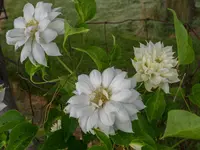
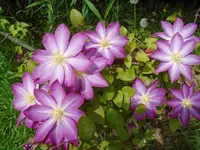
Clematis 'Asao' is a deciduous flowering vine grown mainly for its large, early-season pink blooms with pale centers. It belongs to the buttercup family and climbs by twisting leaf stalks, so it needs a support such as a trellis or fence.

This cultivar was bred in Japan and is now common in gardens in temperate regions. It prefers sun on its foliage and cooler, shaded roots, with moist but well-drained soil.

Flowering is generous when the plant is sited correctly, but pruning group and support needs make it moderately demanding. Understanding how to care for Clematis helps keep 'Asao' blooming reliably year after year.

Main Plant Requirements

Care Difficulty

Moderate Care

Light Preference

Partial Sun

Water Requirements

Regular Water

Temperature Preference

Cold Hardy

Hardiness Zone

4–9

Soil Texture

Loamy, Sandy, Organic-rich

Soil pH

Acidic (5.5–6.5), Slightly acidic (6.5–7.0)

Soil Drainage

Moist but well-drained

Fertilization

Light (every 4–6 weeks)

Get Personalized Care Plan

Scan your plant to receive care tips personalized for your specific plant

Available on iOS and Android

How to Care for the Clematis

This clematis hybrid prefers bright, gentle sun with protection from harsh afternoon exposure.

  • Provide 4–6 hours of direct morning sun with light afternoon shade; east- or northeast-facing positions suit Clematis in most climates.
  • Allow the base and roots to stay shaded by mulch or low groundcovers while the vines grow into brighter light above.
  • In hot summers, strong afternoon sun can scorch leaves and fade flowers; in deep shade, expect weak growth and fewer blooms, especially in spring.

This vine prefers evenly moist, cool soil that never stays sodden.

  • Water when the top 3–5 cm of soil feels dry, soaking the root zone thoroughly, then allow excess to drain away to avoid root rot.
  • Increase watering frequency during hot, dry spells and flowering; reduce in cool, rainy periods and in late fall once growth slows.
  • Signs of underwatering include drooping, dry leaf edges, and small blooms; yellowing lower leaves and persistently wet, heavy soil suggest overwatering in Clematis 'Asao'.

This cultivar grows best in mild conditions with cool roots and moderate air temperatures.

  • Active growth and flowering are strongest around 60–75°F (16–24°C), with roots kept slightly cooler under mulch or groundcover.
  • The plant tolerates winter cold down to about 0°F (−18°C) once established, but young plants benefit from a mulch layer in freezing climates.
  • In summer, it copes with short periods up to 90°F (32°C) if soil stays moist; prolonged heat above this can cause wilting and reduced flowering, especially in full afternoon sun.

Humidity is not a major factor for Clematis 'Asao', which copes well with typical outdoor conditions in most climates.

  • Performs reliably in 40–70% humidity when planted outdoors in open air.
  • Tolerates short dry-air periods provided roots stay evenly moist and mulched.
  • Watch for leaf edge browning and stalled buds in hot, very dry winds, and protect with temporary windbreaks if needed.

Clematis 'Asao' prefers deep, moisture-retentive but well-drained soil that stays cool around the roots.

  • Use a loamy structure with plenty of organic matter, such as garden loam mixed with compost and leaf mould, to hold moisture without becoming sticky.
  • Ensure excellent drainage by avoiding heavy, compacted clay; improve dense soils with coarse sand or fine gravel plus organic material to enhance aeration.
  • Aim for slightly alkaline to neutral pH, roughly 6.5–7.5, avoiding very acidic mixes that can reduce vigor and flowering.
  • Mulch the root zone with composted bark or similar material to keep soil cool, reduce evaporation, and protect the shallow root system from temperature swings.

This cultivar is suitable for container growing when given a large, stable pot and careful moisture management.

  • Choose a tall, heavy container to counterbalance the climbing growth and prevent tipping in wind.
  • Select a pot at least 40–45 cm deep to accommodate the long, fleshy roots and allow a deeper, cooler root zone.
  • Shade the container sides with nearby low plants or a cover to prevent the root zone from overheating and drying out too quickly.

Balanced feeding supports strong growth and abundant blooms in Clematis 'Asao'.

  • Use a balanced slow-release or granular fertilizer (around 10-10-10) or well-rotted compost in early spring, worked lightly into the soil surface.
  • Feed every 4–6 weeks through late summer, following label rates at 50–75% strength to avoid salt buildup.
  • Keep soil evenly moist after feeding to help nutrients move into the root zone without scorching roots.
  • Stop fertilizing in late summer or early fall so growth can harden before winter dormancy.

Thoughtful pruning maintains flowering performance and structure in Clematis 'Asao'.

  • Prune in late winter or very early spring before new growth extends, using clean, sharp bypass pruners.
  • First remove dead, damaged, or weak stems back to healthy tissue to limit disease problems.
  • Lightly thin crowded stems and shorten some older vines to strong buds around 60–90 cm to refresh growth.
  • Tie remaining stems to support after pruning to create an open framework that encourages large, accessible flowers.

Moving Clematis 'Asao' is done infrequently and with care to avoid disturbing its deep root system.

  • Consider transplanting or potting up only when roots circle the container, growth declines, or soil drains poorly.
  • Plan major moves for early spring or early fall, when conditions are cool and soil moisture is stable.
  • Transplant every several years at most, shifting into a slightly larger, deep pot or ground position with rich, well-drained soil.
  • Water thoroughly before and after moving, handle the root ball gently, and shade the plant for 3–5 days to reduce transplant shock.

New plants of Clematis 'Asao' are most reliably produced from cuttings or layering rather than seeds.

  • Take softwood or semi-ripe stem cuttings in late spring to midsummer, including 2–3 leaf nodes per piece.
  • Insert cuttings into a sterile, free-draining medium, keep at 65–75°F with high humidity and bright, indirect light.
  • Use simple layering in spring: bend a flexible stem to the soil, wound slightly, peg down, and cover with compost.
  • Leave layered sections attached until strong roots form, then sever and plant the new vine into a prepared site or container.

Winter care for Clematis 'Asao' is moderate, focusing mainly on root protection in colder climates.

  • The plant is generally hardy but young vines and container plants are more vulnerable to deep freezes.
  • Apply 5–10 cm of organic mulch over the root zone in late fall, keeping it slightly away from the stem base.
  • For potted plants in cold regions, move containers into a sheltered, unheated but frost-sheltered spot such as a garage or against a house wall.

Care Tips

Shade the Roots

Place a low-growing perennial, mulch, or a light-colored stone layer around the base to keep roots cool and shaded while allowing the vine to grow in full sun, which helps reduce stress and improves flowering stability.

Secure Early Growth

As new shoots reach 10–15 cm, gently tie them to the support with soft ties or garden twine in a loose figure-eight, preventing wind damage and helping the stems find the trellis or wires quickly.

Use Dual Supports

Combine a sturdy main trellis with thinner horizontal wires or mesh behind it so the fine leaf petioles can hook on easily, giving more stable coverage and reducing stem breakage in storms.

Prevent Clematis Wilt

Inspect stems weekly in spring and early summer for sudden wilting of individual shoots and cut affected stems back into healthy tissue, then dispose of them in the trash to limit the spread of the fungus.

Layering for Backup

Pin a flexible, low stem to the soil and lightly cover a node with compost to encourage rooting, creating a backup plant in case of damage and a simple way of growing Clematis without needing to divide the main root mass.

Common Pests and Diseases

Clematis wilt

This disease causes sudden wilting and blackening of stems, often just as flower buds develop, with entire shoots collapsing rapidly from a single point. Symptoms include dark, sunken lesions on stems near soil level or at old injury sites.

Solution

Cut back affected stems well into healthy green tissue and remove all wilted material from the area, then disinfect pruners. Keep the crown cool and evenly moist with mulch, avoid damaging stems near the base, and ensure good air circulation to reduce stress and limit future infections as part of Clematis 'Asao' plant care.

Powdery mildew

This disease produces white, powdery patches on leaves, stems, and sometimes flower buds, which can cause yellowing and leaf distortion. Symptoms include reduced vigor and premature leaf drop in warm, dry conditions with poor airflow.

Solution

Remove and discard heavily infected leaves, then improve air circulation by spacing and light pruning of tangled stems. Water at the base in the morning, avoid overhead watering, and use a targeted fungicide labeled for powdery mildew on clematis if the problem persists.

Slugs and snails

These pests chew irregular holes in young leaves and shoots, often destroying tender new growth near ground level. Symptoms include ragged foliage, missing shoot tips, and slime trails around the plant base.

Solution

Hand-pick slugs and snails in the evening, use barriers such as copper tape or sharp gravel around the crown, and remove dense mulch right against the stems. In high-pressure areas, place iron phosphate slug bait around but not touching the plant, following label directions.

Aphids

These insects cluster on new shoots, leaf undersides, and flower buds, sucking sap and causing curling, distortion, and sticky honeydew deposits. This pest can stunt new growth and encourage sooty mold on leaves.

Solution

Spray affected areas with a strong stream of water to dislodge colonies, then treat remaining insects with insecticidal soap or horticultural oil, covering leaf undersides thoroughly. Encourage natural predators like lady beetles by avoiding broad-spectrum insecticides and removing only the heaviest infestations.

Spider mites

These pests cause fine stippling on leaves that progresses to a dull, bronzed appearance, often with delicate webbing between leaf joints in hot, dry weather. Symptoms include premature leaf drop and overall decline in vigor if populations are high.

Solution

Rinse foliage thoroughly with water, especially undersides, to reduce mite numbers and raise local humidity, repeating several times per week in dry conditions. For persistent infestations, apply horticultural oil or a miticide labeled for ornamentals, and avoid drought stress by maintaining steady, moderate soil moisture.

Interesting Facts

Early large-flowered hybrid

This cultivar is one of the earlier large-flowered clematis to open in spring, often flowering ahead of many other group 2 hybrids, which makes it valuable for extending the clematis season in temperate gardens.

Distinct bicolor blooms

Its flowers show a stable bicolor pattern, with rose-pink tepals and a paler central bar, a trait selected and maintained through clonal propagation rather than seed, so plants grown from seeds will not come true to this pattern.

Japanese breeding origin

The cultivar was bred in Japan in the late 20th century, reflecting focused clematis hybridization work there that emphasized compact growth and large, showy flowers suitable for smaller urban gardens.

FAQs about Clematis

Poor flowering usually comes from insufficient light, heavy pruning at the wrong time, or excess nitrogen fertilizer. Check pruning group, avoid cutting strong buds in late winter, and use balanced or low‑nitrogen feed to support buds.

Grow Healthy Plants with Botan Care

Keep your plants happy and healthy with plant identification, disease detection, and easy care guidance.

Botan plant care app — identify plants on mobile

Explore More Plants