Early staking
Install low, unobtrusive stakes and soft ties in late spring before stems elongate fully so plants can lean on the support in wind without snapping at the base.

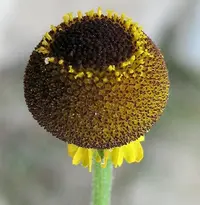
Rosilla, Helenium puberulum, is a perennial wildflower in the daisy family, valued for its many small, button-like blooms on branching stems. It typically grows in clumps with upright to arching habit, creating a soft, meadow-like effect in planting schemes.
This species is native to wet areas and stream banks in parts of California, so it often thrives in consistently moist soils. It usually prefers full sun and tolerates seasonal flooding better than drought. These traits make it relatively easy to establish where soil stays damp, but less suitable for very dry gardens.
Gardeners who want to care for rosilla should focus on providing enough moisture and avoiding very compacted, waterlogged soil without drainage.

Care Difficulty
Easy Care

Light Preference
Full Sun

Water Requirements
Regular Water

Temperature Preference
Cold Hardy

Hardiness Zone
6–9

Soil Texture
Sandy, Loamy, Clay

Soil pH
Acidic (5.5–6.5), Slightly acidic (6.5–7.0)

Soil Drainage
Moist but well-drained

Fertilization
Minimal (feed rarely)
Scan your plant to receive care tips personalized for your specific plant
Available on iOS and Android
Helenium puberulum performs best in open, sunny sites with strong light for dependable flowering.
This species prefers steady soil moisture but reacts poorly to both drought and soggy conditions.
This North American perennial handles a broad temperature range but flowers best under moderate warmth.
This species is adapted to dry, open habitats, so humidity control is usually not critical for rosilla.
Helenium puberulum prefers moderately fertile, well-drained soil that does not stay waterlogged.
This species can be grown in containers outdoors if the pot provides stable support and free drainage.
Helenium puberulum benefits from light, balanced feeding but often thrives in moderately fertile garden soil.
Pruning Helenium puberulum supports compact growth, airflow, and prolonged flowering.
This species is usually grown in garden beds, so transplanting clumps is more common than container repotting.
Helenium puberulum is commonly propagated by division and seeds for garden or restoration plantings.
This perennial is generally cold hardy in much of its range and needs only modest winter care in garden settings.

Plant Health Check
Not sure what's wrong with your plant? Check your plant's health inside the app.
This species is native to central and northern California and is strongly associated with moist habitats such as seeps, streambanks, and wet meadows, often forming dense stands in seasonally wet soils.
Its small yellow to yellow-orange disc florets provide a reliable nectar and pollen source for native bees, flies, and butterflies from mid-summer into fall, helping bridge a floral gap when some spring wildflowers are already dormant.
True to its species name puberulum, the plant often has fine short hairs on stems and leaves, which can slightly reduce water loss and may offer modest protection from small herbivores and intense sun.
Lack of flowers usually comes from too much shade, nutrient‑rich soil with excess nitrogen, or overcrowding. Ensure full sun, avoid heavy fertilizing, divide congested clumps, and deadhead spent stems to direct energy into new buds next season.
Keep your plants happy and healthy with plant identification, disease detection, and easy care guidance.