Chinese Globe Flower Care (Trollius chinensis 'Golden Queen')

About Chinese Globe Flower

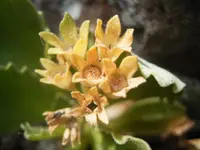
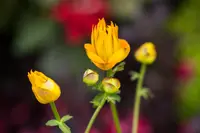
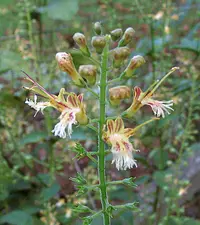
Chinese globe flower, Trollius chinensis 'Golden Queen', is a hardy, clump-forming perennial grown mainly for its bright orange, bowl-shaped flowers. The blooms are held on tall, sturdy stems above deeply divided, dark green foliage, giving a tidy, upright appearance.

This species originates from cooler regions of Asia and is often found in damp meadows and stream edges. It prefers consistently moist soil, cool summers, and light shade to full sun in milder climates.

Its need for steady moisture and dislike of hot, dry conditions can make it slightly challenging in warmer areas. Understanding how to care for Chinese Globe Flower helps gardeners keep it long-lived and floriferous in suitable gardens.

Main Plant Requirements

Care Difficulty

Moderate Care

Light Preference

Partial Sun

Water Requirements

Keep Soil Moist

Temperature Preference

Cold Hardy

Hardiness Zone

3–7

Soil Texture

Loamy, Silty, Organic-rich

Soil pH

Acidic (5.5–6.5), Slightly acidic (6.5–7.0)

Soil Drainage

Moist but well-drained

Fertilization

Light (every 4–6 weeks)

Get Personalized Care Plan

Scan your plant to receive care tips personalized for your specific plant

Available on iOS and Android

How to Care for the Chinese Globe Flower

Trollius chinensis 'Golden Queen' thrives in bright, cool conditions with consistent moisture and controlled sun exposure.

  • Provide 4–6 hours of direct morning sun with light or dappled shade from midday onward to prevent leaf scorch.
  • Tolerates partial shade, especially in hot climates, but flowering may decrease if it receives less than 3–4 hours of sun.
  • In summer, protect Chinese Globe Flower from harsh afternoon sun, and in cooler seasons allow more open exposure to maximize blooms.

This moisture-loving perennial needs consistently damp soil without becoming waterlogged.

  • Aim for soil that stays evenly moist; the top 2–3 cm should feel slightly damp, not dry or soggy, before watering again.
  • Use rich, organic, well-draining soil so water moves through but does not pool, especially around the crown and roots.
  • In warm, windy periods increase watering when foliage wilts between rains; reduce in cool, wet seasons to avoid yellowing, mushy stems, or root rot.

This hardy perennial prefers cool to mild temperatures and tolerates cold winters once established outdoors.

  • Ideal growing temperatures are 55–70°F (13–21°C), which support strong foliage and long-lasting blooms.
  • The plant is cold-hardy in many temperate climates and can survive down to about -20°F (-29°C) when in the ground and mulched.
  • Heat above 80–85°F (27–29°C) can stress plants, so provide partial shade and extra moisture during hot spells to prevent wilting and reduced flowering.

This plant prefers consistently moist air but usually copes with typical outdoor humidity in temperate climates.

  • Aim for 50–70% humidity, especially in warmer regions or exposed sites.
  • Dry air may cause leaf edges to brown and flowers to fade faster, a sign of humidity stress.
  • Increase humidity by mulching the soil surface and grouping Chinese Globe Flower with other moisture-loving perennials.

This species prefers consistently moist, fertile, and well-structured ground that never dries out completely.

  • Use a deep, loamy mix with high organic matter, such as garden loam blended with compost and leaf mold.
  • Ensure slow, even drainage; soil should hold moisture like a wrung-out sponge, not become waterlogged or sticky.
  • Keep pH slightly acidic to neutral (6.0–7.0) by incorporating compost and avoiding heavy liming unless soil is very acidic.
  • For Trollius chinensis 'Golden Queen', improve structure and aeration in heavy clay by working in coarse sand or fine grit plus well-rotted organic matter.

This species can be grown in containers if consistent moisture and root space are provided.

  • Choose a tall, stable pot at least 30 cm deep to keep the root zone cool and reserve space for moisture-retentive mix.
  • Use a heavier material like glazed ceramic to reduce sidewall evaporation and keep the substrate evenly damp.
  • Set the container inside a broad saucer filled with gravel and water so drainage remains free while ambient humidity around the foliage rises.

This moisture-loving perennial benefits from moderate feeding for strong growth and flowering.

  • Apply a balanced, slow-release fertilizer (around 10-10-10) in early spring as new growth emerges.
  • Supplement with a light top-dressing of compost once in spring to enrich soil organic matter.
  • During the growing season, use a half-strength balanced liquid feed every 4–6 weeks if soil is poor.
  • Stop feeding Trollius chinensis 'Golden Queen' in late summer and avoid fertilizing during winter dormancy.

Pruning supports tidy growth and consistent flowering in Trollius chinensis 'Golden Queen'.

  • In late fall or very early spring, cut back dead stems to just above ground level with clean shears.
  • Remove spent flower stalks during the season to encourage a neater appearance and potential rebloom.
  • Trim damaged, diseased, or overcrowded shoots at the base to improve air movement and reduce rot.
  • Use disinfected, sharp tools and make clean cuts to limit wounding and disease entry points.

This perennial is usually grown in garden beds, so focus on careful transplanting rather than frequent repotting.

  • Transplant in early spring or early fall when temperatures are mild and soil is evenly moist.
  • Move clumps only every 3–5 years, when flowering declines or crowns become congested.
  • Lift the plant with a wide root ball, disturb roots as little as possible, and replant at the same depth.
  • Water thoroughly after transplanting, then keep soil consistently moist and shade the plant lightly for 3–7 days to reduce stress.

Propagation of this perennial is most reliable by division, with seed used mainly for patient growers.

  • Divide established clumps in early spring or early fall, when temperatures are cool and soil is moist.
  • Lift the clump, then gently separate sections ensuring each division has several buds and healthy roots.
  • Replant divisions immediately at the same depth in rich, moist soil, then water thoroughly.
  • For seed, sow fresh seed in trays outdoors for natural winter chilling and germination in spring.

This hardy perennial tolerates typical cold climates well and needs only simple winter preparation.

  • After frost blackens foliage, cut stems back to a few cm above soil level to reduce disease carryover.
  • Apply a 5–8 cm layer of organic mulch over the root zone to moderate freeze–thaw cycles.
  • Container-grown plants in cold regions benefit from moving pots into a sheltered, unheated but frost-sheltered spot.

Care Tips

Early staking setup

Install low, discreet stakes and soft ties around young clumps in early spring so tall flowering stems stay upright and do not snap in wind or heavy rain later in the season.

Cool root mulching

Apply a 3–5 cm layer of fine composted bark or leaf mold around, but not touching, the crowns to keep roots cool, reduce moisture fluctuations, and prevent soil from baking in summer sun.

Moisture basin edge

Create a very shallow, wide basin or slight depression at the outer edge of the clump so irrigation and rainwater collect where feeder roots are most active without leaving water pooled directly on the crown.

Deadheading for rebloom

Cut spent flower stems back to just above a healthy leaf node to encourage a lighter repeat flush of blooms and to prevent the plant from putting unnecessary energy into seed production.

Divide on schedule

Lift and divide crowded clumps every 3–4 years in early spring or early fall to maintain strong flowering, reduce disease build-up, and produce vigorous offsets for expanding a group when growing Chinese Globe Flower.

Common Pests and Diseases

Powdery mildew

This disease often appears in warm, humid weather when foliage stays dense and air movement is poor. Symptoms include white, powdery patches on leaves and stems that can cause distortion and reduced flowering.

Solution

Improve air circulation by thinning crowded clumps and avoid overhead watering, especially late in the day. Remove and discard heavily infected leaves, keep the area around the plant clean of debris, and use a sulfur or potassium bicarbonate fungicide if the problem persists.

Leaf spot

This disease produces small brown to black spots on leaves that may merge into larger blotches, often during prolonged wet conditions. Symptoms include premature yellowing and drop of older leaves, which weakens the plant over time.

Solution

Remove and destroy affected leaves as soon as spotting appears and keep spent foliage cleared at the end of the season. Water at soil level, space plants so foliage can dry quickly, and use a labeled ornamental fungicide if new spots continue to form in wet weather.

Aphids

These insects cluster on tender shoots and flower stems, feeding on sap and excreting sticky honeydew. This pest can cause curling or distortion of new growth and may attract sooty mold on the leaf surface.

Solution

Spray colonies off with a firm stream of water and pinch back heavily infested shoot tips. For ongoing problems, apply insecticidal soap or a light horticultural oil, making sure to coat the undersides of leaves and young stems, and encourage lady beetles and other natural predators in the garden.

Slugs and snails

These pests are drawn to the consistently moist soil that this plant prefers, especially in shaded or densely planted borders. Symptoms include irregular holes in leaves, shredded edges, and slime trails on or near the plant.

Solution

Hand-pick slugs and snails in the evening or early morning and reduce hiding places such as dense mulch directly against stems. Use iron phosphate slug baits around, but not on, the clump and consider barriers like copper tape or rough grit to reduce access in key areas.

Crown rot

This disease can develop in heavy, waterlogged soils where the crown stays saturated, leading to yellowing leaves, collapse of stems, and eventual death of the central growing point. Symptoms include a soft, discolored crown tissue at or just below soil level.

Solution

Improve drainage by amending soil with organic matter and avoid planting in low, standing-water sites when planning how to take care of Chinese Globe Flower. Remove and discard affected plants, replant at the correct depth in better-drained soil, and avoid burying the crown under heavy mulch.

Interesting Facts

Distinct upward-facing blooms

Unlike many other globeflowers, this cultivar bears semi-double, upward-facing, bowl-shaped flowers where the elongated orange stamens and petaloid sepals form a prominent crown above the true petals.

Adapted to cool, moist habitats

It originates from cool, damp meadows and stream margins in northern China, where it evolved to thrive in consistently moist soils and relatively low summer temperatures compared with many other ornamental perennials.

Popular hybrid parent

This selection has been used extensively in breeding programs as a parent plant to introduce its tall stems, strong orange color, and distinctive flower form into modern globeflower hybrids.

Botan icon

Did you know?

In regions with cool summers and long days, this cultivar can produce a notably extended flowering season, often reblooming later in the season if spent flowers are removed and soil moisture remains consistently high.

FAQs about Chinese Globe Flower

Lack of blooms usually comes from insufficient light, depleted soil nutrients, or overcrowding. Division every few years and a balanced spring fertilizer improve flowering. Deadheading encourages additional buds but flowering is still mainly seasonal.

Grow Healthy Plants with Botan Care

Keep your plants happy and healthy with plant identification, disease detection, and easy care guidance.

Botan plant care app — identify plants on mobile

Explore More Plants