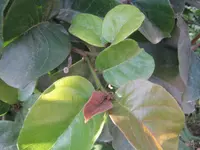
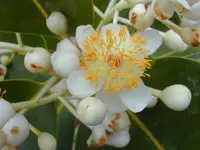
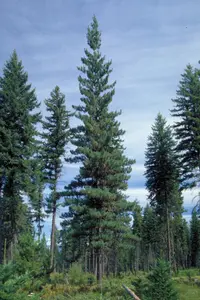
beach sheoak Care (Casuarina equisetifolia)

Also known as: Australian pine, horsetail casuarina, coast she-oak, ironwood, horsetail tree, Asutralian Pine, Coastal Beefwood, Mile Tree, She Oak, South Sea Ironwood
beach sheoak

About beach sheoak

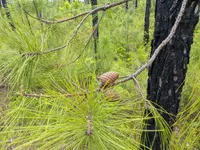
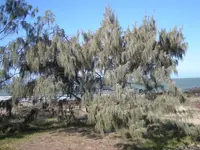
Beach sheoak, Casuarina equisetifolia, is a fast-growing evergreen tree known for its fine, needle-like branchlets and rough, furrowed bark. It often forms a narrow, upright crown that casts light, filtered shade rather than deep darkness.

This species is native to coastal areas of Australia, Southeast Asia, and the Pacific, where it stabilizes sandy shores and tolerates salt spray and wind. Its ability to fix nitrogen in the soil helps it cope with poor, sandy substrates but also makes it potentially invasive in some regions.

In suitable climates it is relatively easy to grow if given full sun and well-drained soil. Gardeners looking to care for beach sheoak should consider its eventual size and spreading root system.

Main Plant Requirements

Care Difficulty

Easy Care

Light Preference

Full Sun

Water Requirements

Low Water

Temperature Preference

Tropical / Frost Sensitive

Hardiness Zone

10–11

Soil Texture

Sandy, Loamy, Rocky

Soil pH

Slightly acidic (6.5–7.0), Neutral (7.0)

Soil Drainage

Well-drained

Fertilization

Minimal (feed rarely)

Get Personalized Care Plan

Scan your plant to receive care tips personalized for your specific plant

Available on iOS and Android

How to Care for the beach sheoak

This coastal tree performs best in strong light and copes well with exposed sites.

  • Provide full sun for 6–8 hours daily; open coastal or roadside positions suit beach sheoak best.
  • It tolerates light partial shade, but dense shade causes weak, stretched growth and sparse foliage over time.
  • In very hot inland areas, protect young trees from intense late-afternoon sun with light shade cloth, especially in their first 1–2 summers.

This species prefers well-drained soil and becomes increasingly drought-tolerant as it matures.

  • For young trees, water when the top 3–5 cm of soil is dry, applying a deep soak rather than frequent light splashes.
  • Mature Casuarina equisetifolia usually relies on rainfall; supplement only after prolonged dry spells when foliage dulls or branchlets feel brittle.
  • Avoid poorly drained or waterlogged sites; yellowing, dropping branchlets and soft roots indicate overwatering or standing water issues.

This coastal conifer-like tree thrives in warm, frost-free climates and tolerates considerable heat.

  • Ideal growth occurs around 70–90°F (21–32°C), common in subtropical and tropical coastal regions.
  • The tree is very frost-sensitive; damage often appears below about 32°F (0°C), and young plants may die near 28°F (-2°C).
  • Established trees manage short heat waves up to about 100–105°F (38–41°C) if soil is not bone-dry, but prolonged extreme heat with drought can cause tip dieback.

Humidity is rarely limiting for Casuarina equisetifolia, which naturally tolerates dry, exposed coastal air.

  • Performs well at 30–60% humidity and does not require additional moisture in most homes or outdoor sites.
  • Tolerates dry air with minimal stress; watch only for needle-like cladodes browning at tips during extreme, hot winds.
  • If wind and heat cause drying, group plants as a windbreak or provide a temporary screen rather than misting.

Casuarina equisetifolia prefers lean, sharply drained, sandy substrates rather than rich, moisture-retentive mixes.

  • Use a mix of 60–80% coarse sand or grit with the remainder split between loam and a small amount of compost for structure.
  • Ensure rapid drainage; avoid clay-heavy or compacted media that hold water and promote root rot.
  • Aim for slightly acidic to neutral pH around 6.0–7.5, avoiding strongly alkaline conditions that can lock up nutrients.
  • Improve aeration by incorporating chunky materials such as fine bark chips or pumice, and avoid dense peat-based potting mixes.

This species can be grown in containers, mainly as a juvenile or small tree where conditions suit its coastal temperament.

  • Choose a tall, heavy container to counter the plant’s wind-catching, top-heavy crown and reduce tipping risk outdoors.
  • Select a mineral-based potting mix that dries quickly, then elevate the pot on feet to prevent drainage holes from clogging with salt or debris.
  • Position the container in a spot where prevailing winds do not continuously rock the root ball, which can damage fine anchoring roots.

Casuarina equisetifolia is adapted to poor coastal soils but benefits from light feeding in cultivation.

  • Use a balanced slow-release fertilizer (around 10-10-10) or well-aged compost in spring to support steady growth.
  • Apply fertilizer every 8–10 weeks during the warm growing season for container or young trees only.
  • Dilute liquid feeds to 1/2 strength and apply to moist soil to avoid root burn.
  • Reduce or stop feeding in fall and winter, especially in cooler regions, as growth slows.

Pruning is mainly used to manage size and structure in Casuarina equisetifolia, not to stimulate flowering.

  • Carry out main pruning in late winter or early spring before vigorous new growth starts.
  • Remove dead, diseased, crossing, or storm-damaged branches using clean, sharp bypass pruners or a pruning saw.
  • Thin congested interior branches to improve airflow and maintain a strong, wind-resistant framework.
  • Limit heading cuts on young trees to shape the crown without creating weak, upright shoots.

This species is usually field-grown, so focus on careful transplanting rather than frequent repotting.

  • Transplant young beach sheoak trees when roots lightly fill the pot or growth slows and roots circle the container.
  • Plan transplanting for late winter to early spring, avoiding periods of extreme heat or drought stress.
  • Dig a wide planting hole, keep the root ball intact, and set the tree at the same soil depth as before.
  • Water deeply after planting, then keep soil evenly moist and shaded at the base for 2–4 weeks to reduce transplant shock.

Propagation of Casuarina equisetifolia is commonly done from seed, with cuttings used less often.

  • Collect mature cones, dry them, and extract seeds, then sow in late spring in a free-draining sandy mix.
  • Provide bright light, consistent moisture, and warmth around 70–80°F to support even germination.
  • Cover seeds very lightly, as fine seeds need some light and air to avoid rotting.
  • For semi-hardwood cuttings, use a rooting hormone, high humidity, and bottom warmth to encourage root formation.

This coastal tree is frost-sensitive and needs protection in regions with cold winters.

  • In USDA zones colder than 10, grow Casuarina equisetifolia in containers that can be moved indoors or into a greenhouse.
  • Mulch the root zone with 5–8 cm of bark or compost in fall to moderate soil temperature.
  • Shelter young trees from freezing winds with temporary windbreaks or burlap wraps around stakes.

Care Tips

Wind-hardening seedlings

Expose young plants to increasing wind over 2–3 weeks by gradually moving pots to more open, breezy spots so trunks and branchlets thicken and are less likely to snap once planted in coastal sites.

Salt-spray management

After severe storms with heavy salt spray, hose foliage with fresh water in the early morning to wash off salt deposits and reduce leaf burn, especially on young or recently transplanted trees.

Root-zone stabilization

On sandy or coastal sites, apply a 5–8 cm layer of coarse mulch in a wide circle, keeping it 5–8 cm away from the trunk, to limit erosion, keep fine feeder roots moist, and improve long-term anchorage.

Nitrogen-fixing support

Avoid frequent deep cultivation near the base so the fine nodulated roots that host nitrogen-fixing bacteria are not damaged, and use only light surface hoeing or hand weeding within the dripline.

Formative wind training

In the first 2–3 years, use low, flexible staking in very windy spots and selectively remove only weak or crossing branches so the tree develops a single dominant leader and a strong, wind-firm framework, which greatly helps when growing beach sheoak in exposed coastal landscapes.

Common Pests and Diseases

Casuarina blister mite

This pest causes raised, blister-like galls and distorted needle-like branchlets, often leading to yellowing and reduced vigor. Symptoms include rough, swollen patches on green branchlets and occasional dieback of young twigs.

Solution

Prune and destroy heavily galled twigs to reduce the mite population and improve appearance. For valuable trees, apply a registered miticide targeting eriophyid mites during early gall formation, and avoid moving infested plant material to uninfested areas as part of broader Casuarina equisetifolia care.

Casuarina moth borers

These insects tunnel into stems and branches, causing internal galleries, frass deposits, and branch dieback. Symptoms include wilting or breakage of affected branches and small exit holes in the bark.

Solution

Prune and destroy infested branches as soon as dieback or borer holes are noticed, cutting well below damaged tissue. Keep trees healthy through proper watering and nutrient management, and in high-value plantings consider pheromone or light traps and targeted biological or selective insecticides timed to adult flight periods.

Casuarina canker

This disease produces sunken, cracked lesions on stems and branches, sometimes with gum exudation and progressive girdling. Symptoms include yellowing foliage above the canker, branch dieback, and rough, discolored bark around infected areas.

Solution

Remove and dispose of cankered branches by cutting well below visible symptoms, disinfecting tools between cuts. Reduce stress by avoiding mechanical injury and overpruning, space trees to improve airflow, and in plantations or windbreaks consider resistant or better-adapted provenances where available.

Needle blight

This disease affects the fine branchlets, causing browning, premature drop, and a thin or scorched canopy appearance. Symptoms include scattered tan to brown tips progressing inward along the branchlets, often after periods of high humidity or poor air circulation.

Solution

Rake and destroy fallen branchlets to remove inoculum, and thin dense stands or shelterbelts to improve light and airflow. In high-value or nursery situations, use a registered fungicide for needle blights as a preventive spray during warm, humid periods, and avoid overhead irrigation that keeps foliage wet for long periods.

Interesting Facts

Needle-like jointed twigs

The fine, needle-like structures that look like leaves are actually jointed branchlets with tiny true leaves reduced to scales at the nodes, an adaptation that reduces water loss in hot, coastal environments.

Salt and wind specialist

This tree tolerates high salinity, strong salt-laden winds, and shifting coastal sands, which is why it is widely used to stabilize dunes and protect shorelines from erosion.

Nitrogen-fixing partnership

Its roots form nodules with actinobacteria of the genus Frankia, allowing the plant to fix atmospheric nitrogen and improve nutrient-poor sandy soils.

Botan icon

Did you know?

Casuarina equisetifolia has invasive behavior in some subtropical and tropical regions outside its native range, where it can outcompete local coastal vegetation, alter soil conditions, and significantly change dune and beach ecosystems.

FAQs about beach sheoak

This species grows rapidly in suitable conditions, often adding 1–2 m per year when young. Growth slows with age. Good light, warmth, and well-drained sandy soil support faster establishment and long-term structure.

Grow Healthy Plants with Botan Care

Keep your plants happy and healthy with plant identification, disease detection, and easy care guidance.

Botan plant care app — identify plants on mobile

Explore More Plants