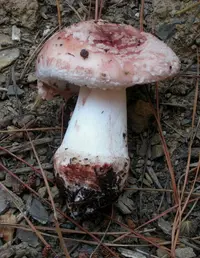
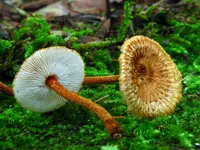
Redwood Rooter Care (Caulorhiza umbonata)

Redwood Rooter

About Redwood Rooter

Redwood Rooter, Caulorhiza umbonata, is an unusual, little-known plant associated with wet, woody habitats and decaying roots, rather than a typical leafy houseplant. It is thought to favor cool, moist, shaded environments where organic matter breaks down slowly.

The plant has a discreet, low-profile growth habit and is not commonly available in horticultural trade, which makes it more of a curiosity than a standard garden choice. Because so little cultivation experience is documented, gardeners who care for Redwood Rooter should treat it as an experimental species and monitor conditions closely.

In general, it likely prefers consistent moisture, good drainage, and a substrate rich in decomposing wood or leaf litter, similar to a forest floor.

Main Plant Requirements

Care Difficulty

Moderate Care

Light Preference

Partial Shade

Water Requirements

Moderate Water

Temperature Preference

Warm Climate

Hardiness Zone

Unknown

Soil Texture

Loamy

Soil pH

Slightly acidic (6.5–7.0)

Soil Drainage

Well-drained

Fertilization

Minimal (feed rarely)

Get Personalized Care Plan

Scan your plant to receive care tips personalized for your specific plant

Available on iOS and Android

How to Care for the Redwood Rooter

This species prefers bright conditions similar to light, open woodland edges.

  • Provide 4–6 hours of gentle morning sun with dappled or filtered light the rest of the day for balanced growth when caring for Redwood Rooter.
  • Allow partial shade, especially from strong afternoon sun; in hot summers, give protection after 1–2 pm to prevent leaf scorch and moisture stress.
  • In spring and fall, maximize indirect light by avoiding deep shade; in summer, watch for pale, leggy shoots as a sign of insufficient light.

Caulorhiza umbonata prefers consistently moist but not waterlogged soil.

  • Water when the top 3–5 cm of soil feels slightly dry, aiming for evenly moist conditions rather than cycles of soaking and complete drying.
  • Use deep, thorough watering so moisture reaches the root zone, then let excess drain freely; avoid compacted or poorly drained soil that encourages root rot.
  • Reduce frequency in cool seasons, watching for yellowing, soft foliage from overwatering or crisp, drooping leaves and dry soil as signs of underwatering.

This species grows best in mild, stable temperatures without extreme heat or frost.

  • Aim for 60–75°F (16–24°C) during active growth, which supports steady root and shoot development.
  • Protect from temperatures below 30°F (-1°C); hard frosts can damage foliage and young shoots, so apply mulch around the root zone in cold seasons.
  • In hot periods above 85°F (29°C), increase shade and soil moisture, and avoid planting in heat-reflecting sites next to walls or pavement to limit stress.

This species prefers moderately moist air, and humidity is a meaningful factor for stable growth.

  • Aim for 40–60% humidity; standard indoor levels are usually adequate for caring for Redwood Rooter.
  • Leaf tips browning, curling, or feeling papery indicate humidity stress, especially near heating or AC vents.
  • Increase humidity by grouping plants, placing the pot on a pebble tray with water below the base, or running a small nearby humidifier.

Provide a well-aerated, free-draining mix that still retains moderate, even moisture.

  • Use a loose loam-based mix with 40–50% organic matter (compost or fine bark) plus mineral material such as perlite or coarse sand for structure.
  • Ensure rapid drainage so water does not stand in the pot or tray; Caulorhiza umbonata is sensitive to persistent saturation that excludes oxygen from roots.
  • Aim for slightly acidic to neutral pH around 6.0–7.0, which keeps most nutrients available and reduces risk of micronutrient lockout.
  • Improve aeration by incorporating chunky particles (pine bark fines, pumice) and avoid heavy clay garden soil or peat-only mixes that compact and waterlog.

This species can be grown successfully in containers when root space and drainage are managed carefully.

  • Choose a container deeper than it is wide to accommodate the descending root system and reduce toppling in wind or on balconies.
  • Select a rigid, heavier material such as ceramic or thick-walled plastic to stabilize the plant once the upper growth becomes tall and weighty.
  • Position the container where excess water can drain away freely, and elevate it slightly on pot feet or bricks to prevent the drainage holes from sealing against the ground.

This species is adapted to low-nutrient woodland soils, so fertilizing Caulorhiza umbonata should stay light and targeted.

  • Use a balanced, slow-release fertilizer (around 10-10-10) or thin layer of compost in early spring to support new growth when growing Redwood Rooter.
  • Apply at most 1–2 times during the growing season; avoid feeding stressed or newly transplanted plants.
  • Dilute liquid feed to 1/2–1/4 strength if used, applying to moist soil to reduce root burn.
  • Do not fertilize in winter or dormancy; excess nutrients then can weaken roots and encourage soft, frost-prone growth.

Pruning Caulorhiza umbonata is mainly corrective, aimed at maintaining health and a natural form.

  • Best time is late winter to very early spring, before active growth starts.
  • Remove dead, diseased, crossing, or storm-damaged stems with clean, sharp bypass pruners or loppers.
  • Thin congested interior shoots sparingly to improve light and air flow without changing the overall habit.
  • Make clean cuts just above a bud or branch junction to guide new growth and reduce dieback.

This woodland species is usually grown in the ground, so care focuses on thoughtful transplanting rather than frequent repotting.

  • Transplant in early spring or early fall when temperatures are mild and soil is workable.
  • Look for signs such as crowded clumps, poor vigor, or roots circling a container if it has been pot-grown.
  • Move plants only every few years, choosing a site with similar light, moisture, and soil texture to reduce shock.
  • Dig a wide root ball, replant at the same depth, water thoroughly, and mulch lightly to keep roots moist while they re-establish.

Propagation of Caulorhiza umbonata is possible but generally modest and methodical rather than intensive.

  • Use seed collected from mature plants and sow in fall or late winter, allowing natural cold stratification outdoors.
  • Provide a loose, humus-rich seed mix, consistent moisture, and light shade for steady germination.
  • Division of established clumps in early spring can work if each piece retains healthy roots and shoots.
  • Replant divisions promptly, keep soil evenly moist, and shade temporarily to limit transplant stress.

This species is typically cold hardy in temperate regions and needs only light winter attention in the ground.

  • In climates with freeze-thaw cycles, apply 5–8 cm of leaf mold or bark mulch over the root zone in late fall.
  • Avoid waterlogged soil; improve drainage if winter wetness is common, as saturated roots are more vulnerable to damage.
  • Container-grown plants in colder zones can be sunk into the ground or moved to an unheated, frost-free shelter.

Care Tips

Mulch Root Zone

Apply a 5–8 cm layer of coarse organic mulch around the root area, keeping it 5–10 cm away from stems, to stabilize soil moisture and temperature and protect the shallow feeder roots from mechanical damage.

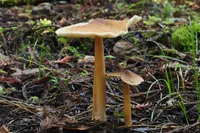
Protect Mycorrhizal Network

Avoid deep cultivation, frequent digging, or heavy equipment over the root area so the fine root and fungal (mycorrhizal) network that supports nutrient uptake remains intact and functional.

Plan Companion Underplanting

Use low, shallow-rooted native groundcovers rather than thirsty shrubs directly over the root area so there is less competition for water and fine roots still receive light airflow and access to surface nutrients.

Monitor For Soil Compaction

Check the soil annually with a narrow soil probe or screwdriver, and if resistance is high in the top 10–15 cm, reduce foot traffic, add surface mulch, and use a hand aerator around the dripline without piercing major roots.

Seasonal Stress Checks

At the end of summer and again in early spring, inspect foliage color, new shoot length, and any dieback so irrigation, mulching, or pest control can be adjusted early, which is key for long-term success when growing Redwood Rooter.

Common Pests and Diseases

Scale insects

This pest attaches firmly to stems and leaf bases, sucking sap and leaving small, rounded, shell-like bumps along the lower crown. Symptoms include sticky honeydew on nearby surfaces and gradual yellowing or decline of fronds.

Solution

Gently scrape off individual scales with a soft brush or cloth, then wash the affected areas with a dilute insecticidal soap solution, keeping it off the root zone as much as possible. For persistent infestations on Redwood Rooter indoor care specimens, repeat cleaning every 7–10 days and improve air movement around the foliage to reduce reinfestation pressure.

Fungal leaf spot

This disease produces small, water-soaked lesions on the fronds that enlarge into brown or tan spots, often with darker margins. Symptoms include premature browning and shedding of older foliage in humid or poorly ventilated conditions.

Solution

Remove and discard affected fronds promptly, then reduce overhead watering and avoid wetting the foliage. Improve air circulation, thin very dense growth if possible, and if spots continue to appear, apply a labeled copper- or chlorothalonil-based fungicide according to directions, focusing on new emerging fronds.

Crown and collar rot

This disease attacks the tissue where the leaf bases meet the root system, causing soft, dark, water-soaked decay at the crown and a rapid collapse of the central rosette. Symptoms include foul odor and fronds that pull away easily at the base.

Solution

At early stages, sharply reduce watering, improve drainage, and keep the upper crown dry, then carefully cut out obviously rotted tissue with a sterile knife. If decay is advanced, discard the plant and soil, disinfect containers and tools, and for future Caulorhiza umbonata plant care, ensure a very fast-draining, low-organic substrate and avoid water collecting around the crown.

Interesting Facts

Redwood-associated fungus

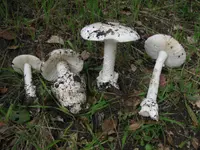
This mushroom is found almost exclusively in coastal redwood forests of western North America, where it fruits on the ground among redwood litter rather than directly on wood.

Distinct umbonate cap

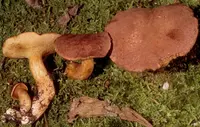
The species name umbonata refers to the noticeable central bump, or umbo, on the cap surface, which helps distinguish it from similar brownish woodland fungi.

Mycorrhizal partnership

It is believed to form ectomycorrhizal associations with redwoods, creating a mutualistic relationship in which the fungus helps roots absorb water and nutrients while receiving sugars from the tree.

FAQs about Redwood Rooter

Brown leaf edges usually come from underwatering, low humidity, excess fertilizer salts, or strong drafts. Check soil moisture, flush the pot occasionally, and protect from hot or cold air streams to prevent further tissue damage.

Grow Healthy Plants with Botan Care

Keep your plants happy and healthy with plant identification, disease detection, and easy care guidance.

Botan plant care app — identify plants on mobile

Explore More Plants