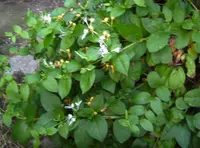
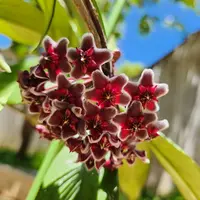
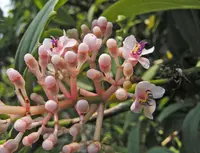
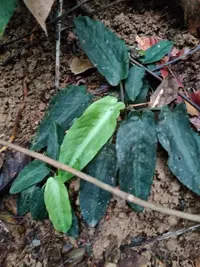
White Vine Care (Celastrus subspicatus)

White Vine

About White Vine

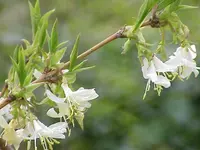
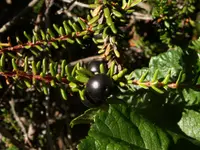
White vine, Celastrus subspicatus, is a woody climbing plant in the bittersweet family. It is usually grown for its twining stems and small, inconspicuous flowers. The plant occurs naturally in parts of Asia, where it scrambles over shrubs and trees in forested or shrubby habitats. In cultivation it behaves as a vigorous climber that can cover supports or nearby plants over time. Its fast growth and climbing habit mean it needs space and some control, but it is generally robust once established. Gardeners who learn how to care for White Vine often value its adaptability to well-drained soil and moderate light.

Main Plant Requirements

Care Difficulty

Moderate Care

Light Preference

Partial Sun

Water Requirements

Moderate Water

Temperature Preference

Warm Climate

Hardiness Zone

Unknown

Soil Texture

Loamy, Sandy, Clay

Soil pH

Slightly acidic (6.5–7.0), Neutral (7.0)

Soil Drainage

Well-drained

Fertilization

Minimal (feed rarely)

Get Personalized Care Plan

Scan your plant to receive care tips personalized for your specific plant

Available on iOS and Android

How to Care for the White Vine

Celastrus subspicatus grows best in bright outdoor conditions with moderated direct sun exposure.

  • Provide 4–6 hours of direct morning sun with light afternoon shade; east or northeast exposures suit White Vine well.
  • Tolerates partial shade, but flowering and fruiting decrease if it receives less than 3–4 hours of direct sun, especially in cooler climates.
  • In hot summers, protect from harsh afternoon sun to prevent leaf scorch; in winter, full sun is beneficial where temperatures remain within the plant’s hardiness range.

Celastrus subspicatus prefers evenly moist, well-drained soil once established outdoors.

  • Allow the top 3–5 cm of soil to dry before deep watering, ensuring excess water drains freely to avoid root rot.
  • Increase watering frequency during the first growing season and in hot, windy weather; reduce in cool or rainy periods when soil stays damp longer.
  • Signs of underwatering include drooping, dull leaves and dry, crumbly soil; overwatering shows as yellowing leaves, soft stems, and persistently soggy soil.

This species is a hardy climber that tolerates a range of outdoor temperatures once established.

  • Ideal growing temperatures are around 60–77°F (16–25°C) during the active season, with good air circulation to limit disease.
  • Mature plants usually tolerate winter lows near 0°F (−18°C) when planted in the ground, though young vines benefit from mulch over the root zone.
  • Handles summer heat up to about 90–95°F (32–35°C) if soil moisture is maintained; prolonged extremes above this can cause leaf scorch and reduced growth.

This species tolerates a wide humidity range but benefits from moderately moist air.

  • Aim for 40–60% humidity, which is typical of most homes and suits White Vine growth.
  • Dry air may cause leaf edges to brown and new growth to be smaller or distorted.
  • Increase humidity with grouped plantings, nearby trays of water and pebbles, or occasional misting in very dry climates.

Celastrus subspicatus prefers well-structured, free-draining soil that still holds some moisture.

  • Use a loamy mix with plenty of organic matter, such as compost blended with garden soil or potting mix.
  • Ensure drainage by adding coarse sand or fine gravel so water moves through without pooling around the roots.
  • Target a slightly acidic to neutral pH around 6.0–7.0 for best nutrient availability and root activity.
  • Avoid compacted, heavy clay or waterlogged sites; improve aeration by working in coarse material before planting.

This species can be grown in containers if the pot provides strong support and space for its climbing habit.

  • Choose a deep, heavy container that resists tipping as the vine gains height and mass on its support.
  • Select a pot material with some weight, such as ceramic or thick plastic, to stabilize tall trellises or frames.
  • Install a sturdy trellis or obelisk directly in the pot at planting time to prevent later disturbance of established roots.

Celastrus subspicatus is not a heavy feeder but benefits from light nutrition in containers or poor soils as part of basic White Vine care instructions.

  • Use a balanced slow-release fertilizer (for example 10-10-10) or well-rotted compost at the start of spring growth.
  • Feed container plants every 6–8 weeks in spring–summer at half the label strength to avoid salt buildup.
  • On established in-ground plants, apply a thin compost layer around the root zone once a year instead of frequent fertilizers.
  • Stop feeding in late summer and avoid fertilizing during fall–winter dormancy to prevent weak, frost-tender growth.

Pruning Celastrus subspicatus manages vigor, maintains structure, and supports flowering.

  • Plan main pruning for late winter to very early spring before new growth starts.
  • Remove dead, diseased, or damaged stems first, then thin congested or crossing shoots to improve light and airflow.
  • Shorten overly long vines to control size and direct growth along supports or away from structures and nearby plants.
  • Use sharp bypass pruners, cut just above a bud or side shoot, and avoid removing more than 1/3 of live growth in one season.

This vigorous climber is usually grown in the ground, so transplanting is more relevant than frequent repotting.

  • Look for signs such as roots circling the pot drainage holes, soil drying out very fast, or noticeably slowed growth in containers.
  • Aim to transplant or repot in early spring or early fall when temperatures are mild and the plant is not under heat stress.
  • For containers, move up only 1–2 pot sizes, using well-drained soil and keeping the root ball at the same depth as before.
  • Reduce root stress by watering deeply the day before moving, handling the root ball gently, and shading or wind-sheltering the plant for 1–2 weeks afterward.

Celastrus subspicatus is most often propagated by semi-ripe cuttings or seed in horticultural settings.

  • Take semi-ripe stem cuttings in late summer, 8–12 cm long, with several nodes and at least 1–2 leaves remaining.
  • Dip the cut end in rooting hormone and place in a well-drained, moist medium such as 1:1 perlite and peat or coco coir.
  • Maintain bright, indirect light, high humidity, and temperatures around 68–75°F until roots form, usually over several weeks.
  • Sow cleaned seed in fall or after cold stratification, keeping the seed tray evenly moist and in a cold frame or sheltered outdoor spot.

This species is generally cold hardy in temperate climates and needs only modest winter care once established.

  • In colder regions, apply a 5–8 cm mulch layer around the root zone in late fall, keeping mulch off the stems.
  • Newly planted vines benefit from sheltered sites that reduce exposure to drying winter winds and freeze–thaw cycles.
  • Container-grown plants in very cold areas can be moved into an unheated garage or against a protected wall to moderate root temperatures.

Care Tips

Strong climbing support

Install a robust trellis, fence, or wire system before planting so stems can be tied in loosely with soft ties as they grow, preventing wind damage and tangling with nearby plants.

Direction training

Regularly guide and tie new shoots horizontally or in a fan shape along their support to encourage dense side-branching and better coverage rather than a thin, tall vine.

Root zone management

Maintain a clear, weed-free ring of at least 30–45 cm around the base and top it with a 5–8 cm layer of organic mulch, keeping mulch a few cm away from the stem to reduce competition and stabilize soil moisture.

Seasonal rejuvenation check

Every 2–3 years in late winter, inspect the framework, remove one or two of the oldest, least-productive stems at the base, and keep younger, well-placed shoots to maintain vigorous growth and a manageable structure.

Preventive pest scouting

From spring through early fall, inspect undersides of leaves and young stems every 2–3 weeks for early signs of aphids or scale, and if found, wash them off with a firm water spray or spot-treat with horticultural oil according to label directions as part of caring for White Vine.

Common Pests and Diseases

Scale insects

This pest commonly clusters on stems and older woody parts, sucking sap and weakening growth. Symptoms include sticky honeydew, black sooty mold on leaves, and small brown or gray bumps that do not brush off easily.

Solution

Prune and discard heavily infested twigs, then wipe remaining colonies with cotton soaked in 70% isopropyl alcohol or insecticidal soap, repeating every 7–10 days until new growth is clean. Encourage good airflow along the vine and avoid excess nitrogen fertilizer, which promotes soft, scale-prone growth and complicates Celastrus subspicatus care.

Leaf spots

This disease appears as irregular tan to dark brown lesions on leaves, sometimes with yellow halos and premature leaf drop, especially in dense, shaded plantings. Symptoms include more severe spotting in prolonged wet weather or where foliage dries slowly.

Solution

Remove and dispose of fallen and heavily spotted leaves to reduce inoculum, and avoid overhead watering so foliage dries quickly. Thin and train the vine to improve light and air movement, and in persistent cases apply a copper or chlorothalonil-based fungicide according to label directions at the first sign of new spotting.

Powdery mildew

This disease produces a white to gray powdery coating on leaf surfaces, young stems, and sometimes flower clusters, leading to distorted or yellowing foliage. Symptoms include worse infections in late summer when days are warm and nights are cool with high humidity.

Solution

Improve air circulation by spacing and pruning the vine, and avoid excess shade and high nitrogen feeding that encourage soft, susceptible growth. At first signs, treat foliage with a labeled sulfur, potassium bicarbonate, or horticultural oil product, ensuring thorough coverage and repeating as needed according to the label.

Caterpillar defoliation

These insects feed on leaves and young shoots, leaving irregular holes or stripped sections of vine, most noticeable in late spring and early summer. Symptoms include clusters of frass (droppings) and chewed leaf edges along actively growing stems.

Solution

Handpick caterpillars where practical and prune back heavily damaged shoot tips to stimulate new growth. For larger or recurring infestations, use Bacillus thuringiensis (Bt) or spinosad sprays directed only at feeding foliage in the evening to limit impact on beneficial insects.

Aphids

These insects colonize soft shoot tips and the undersides of leaves, sucking sap and causing curling, yellowing, and distorted new growth. This pest also produces honeydew that attracts ants and promotes sooty mold on leaves and stems.

Solution

Dislodge colonies with a strong stream of water, then treat remaining clusters with insecticidal soap or a light horticultural oil, repeating every few days until populations collapse. Limit high-nitrogen fertilization that drives very soft, aphid-prone growth, and manage nearby ant populations that protect aphids from natural predators.

Interesting Facts

Endemic Himalayan climber

This woody vine is naturally restricted to parts of the eastern Himalayas and nearby montane regions, where it climbs through forest edges and thickets rather than occurring as a widespread lowland species.

Specialized capsule fruits

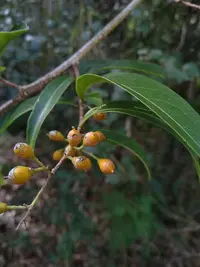
Its fruits are dry, 3-valved capsules that split open to reveal seeds covered in a fleshy aril, a specialized tissue that attracts birds which then disperse the seeds.

Dioecious flowering habit

Individual plants are typically either male or female, so functional reproduction in the wild depends on the proximity of both sexes for effective pollination and fruit set.

FAQs about White Vine

This species can spread quite vigorously by twining stems and bird‑dispersed seeds. In favorable conditions it may smother nearby shrubs. Use pruning and physical barriers, and remove unwanted seedlings to keep growth within the desired area when growing White Vine.

Grow Healthy Plants with Botan Care

Keep your plants happy and healthy with plant identification, disease detection, and easy care guidance.

Botan plant care app — identify plants on mobile

Explore More Plants