sweet breath of spring Care (Lonicera fragrantissima)

Also known as: Winter honeysuckle, Standish's Honeysuckle
sweet breath of spring

About sweet breath of spring

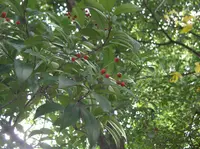
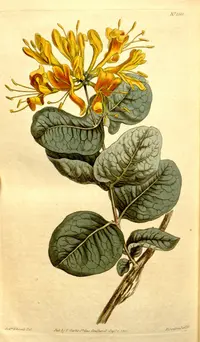
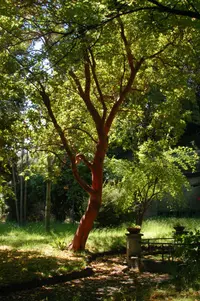
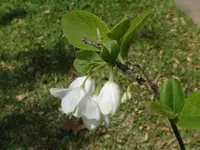
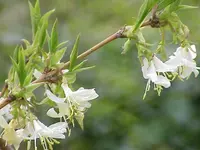
Sweet breath of spring, Lonicera fragrantissima, is a deciduous to semi-evergreen shrub known for its strongly fragrant winter to early spring flowers. It forms a rounded, bushy shape with arching stems and pairs of creamy white tubular blooms that appear before or with the leaves.

This species comes from China and has adapted well to many temperate gardens, especially in mild climates. It is generally easy to grow, tolerating a range of soils and exposure, which simplifies how to care for sweet breath of spring.

The shrub prefers a sunny to lightly shaded spot with moderately moist, well-drained soil. Its toughness and early-season scent make it a practical choice for low-maintenance hedges or background plantings.

Main Plant Requirements

Care Difficulty

Easy Care

Light Preference

Partial Sun

Water Requirements

Moderate Water

Temperature Preference

Cold Hardy

Hardiness Zone

4–8

Soil Texture

Sandy, Loamy, Clay

Soil pH

Acidic (5.5–6.5), Slightly acidic (6.5–7.0)

Soil Drainage

Moist but well-drained

Fertilization

Minimal (feed rarely)

Get Personalized Care Plan

Scan your plant to receive care tips personalized for your specific plant

Available on iOS and Android

How to Care for the sweet breath of spring

This hardy shrub prefers full sun with some tolerance for partial shade to flower well.

  • Provide 6–8 hours of direct sun daily, ideally with morning sun and light afternoon shade in hotter regions to protect foliage from scorch.
  • Allow for partial shade (3–4 hours sun) in warm climates, understanding that flowering density may drop compared with plants in fuller sun.
  • In winter, leafless stems still benefit from open exposure; avoid dense shade from buildings or evergreen trees, which reduces spring bloom on sweet breath of spring.

This shrub prefers evenly moist, well-drained soil rather than constant wetness.

  • Water when the top 3–5 cm of soil feels dry, giving a deep soak so moisture reaches the full root zone instead of frequent shallow splashes.
  • Reduce watering in fall and winter, focusing on natural rainfall; increase during the first 1–2 growing seasons or during extended dry spells to help roots establish.
  • Watch for stress signs: yellowing, soft leaves or persistent soggy soil suggest overwatering, while dull, wilting leaves and dry, cracked soil indicate underwatering for Lonicera fragrantissima.

This species is a cold-hardy shrub that tolerates a wide range of outdoor temperatures.

  • Optimal growth occurs around 55–75°F (13–24°C), typical of mild spring and fall conditions, when root and shoot growth are most active.
  • Mature plants tolerate winter lows near -10°F (-23°C) once established, but young shrubs benefit from mulch over the root zone during the first 2–3 winters.
  • In summer, it handles up to about 90°F (32°C) if soil moisture is maintained; during heat waves, extra water and some afternoon shade reduce heat stress and leaf scorch.

Humidity is not critical for Lonicera fragrantissima, which thrives in typical outdoor air conditions.

Lonicera fragrantissima prefers moderately fertile, well-structured ground that drains freely yet holds some moisture.

  • Use a loamy soil with a mix of mineral particles and organic matter to support steady growth.
  • Aim for slightly acidic to neutral pH, around 6.0–7.5, to keep nutrients available.
  • Incorporate 20–30% compost to improve structure and moisture retention without creating waterlogging.
  • Avoid heavy, compacted clay; if present, lighten it with sharp sand and compost to increase aeration and drainage.

This shrub can grow in containers if the pot is large and stable enough for its woody root system.

  • Choose a deep, heavy container to anchor the shrub and reduce tipping in wind as top growth increases.
  • Select a potting mix that drains quickly yet stays evenly moist, such as shrub compost blended with coarse bark or grit.
  • Raise the container slightly on feet or blocks so drainage holes remain clear and excess water escapes freely.

This shrub grows well in average soil but benefits from light feeding during active growth for best flowering.

  • Apply a balanced slow-release fertilizer (for example 10-10-10) once in early spring as new growth starts.
  • Use a modest rate or half-strength dose, especially in fertile soil, to avoid overly lush, weak shoots on sweet breath of spring.
  • Supplement with a thin layer of compost around the root zone 1–2 times per year, keeping it away from the main stems.
  • Avoid feeding in late fall or winter; excess nutrients then can push tender growth that is vulnerable to cold damage.

Thoughtful pruning keeps Lonicera fragrantissima compact, healthy, and floriferous.

  • Time main pruning for right after flowering in late winter or very early spring, so next year’s flower buds are preserved.
  • Remove dead, diseased, or damaged wood first, cutting back to sound tissue with clean, sharp bypass pruners or loppers.
  • Thin out the oldest, most congested stems at the base to improve air flow and light penetration, encouraging vigorous new shoots.
  • Lightly shorten overly long branches to refine shape, avoiding very hard cuts that would remove most flowering wood.

This honeysuckle is usually grown in the ground, so care focuses on transplanting young shrubs rather than frequent repotting.

  • Transplant in late fall or early spring when the plant is dormant and soil is workable, reducing heat and drought stress.
  • Move container plants only when roots circle the pot, drainage slows, or growth weakens, usually every 2–3 years.
  • Prepare a hole 2–3 times wider than the root ball, plant at the same depth, and backfill with the native soil, not heavy amendments.
  • Water thoroughly after planting, then keep soil evenly moist for several weeks and use mulch to limit temperature swings and root stress.

Lonicera fragrantissima is commonly propagated from cuttings and by simple layering for consistent, reliable plants.

  • Take semi-ripe cuttings in mid to late summer, 8–12 cm long, and remove lower leaves to expose nodes.
  • Insert cuttings into a free-draining mix, keep at 65–75°F with bright, indirect light, and maintain even moisture until roots form.
  • Use simple layering in spring: bend a low stem to the ground, lightly wound the underside, pin it down, and cover with soil.
  • Leave layered stems in place until well rooted, then sever from the parent and transplant to a prepared site or container.

This shrub is generally cold hardy in its usual outdoor range and needs minimal winter care once established.

  • Tolerates typical winter frosts in most temperate gardens, though new transplants appreciate extra protection their first year.
  • Apply a 5–8 cm mulch layer over the root zone in late fall, keeping it slightly back from the main stems to prevent rot.
  • For container plants in colder areas, move pots into a sheltered, unheated but frost-free or slightly protected spot to limit root freeze-thaw cycles.

Care Tips

Windbreak placement

Site the shrub near a fence, wall, or hedge that blocks prevailing winter winds to protect early flower buds from desiccation and improve fragrance performance in late winter.

Selective cane renewal

Every 1–2 years, remove 1–3 of the oldest, thickest stems at the base rather than shearing the whole shrub, which keeps flowering wood young and maintains a loose, natural structure.

Winter inspection routine

During leafless months, check stems for scale insects, cankered sections, or rubbing branches and address them immediately, since problems are easier to spot and correct before spring growth starts.

Layering for propagation

To expand a hedge or replace an older plant, pin a flexible low branch to the soil, cover a wounded section lightly with soil, and sever and transplant the rooted section after 6–12 months.

Fragrance corridor planning

Plant this shrub near paths, doorways, or seating areas and combine it with later-blooming shrubs to create a staggered flowering sequence that extends seasonal interest while growing sweet breath of spring.

Common Pests and Diseases

Aphids

These insects cluster on young shoots and flower buds, sucking sap and causing distorted growth and sticky honeydew on leaves and stems.

Solution

Spray affected shoots with a strong stream of water to dislodge colonies, then treat remaining insects with an insecticidal soap or a ready-to-use neem oil spray, repeating every 5–7 days until new growth is clean. Prune and discard heavily infested shoot tips and encourage natural predators such as lady beetles by avoiding broad-spectrum insecticides nearby.

Honeysuckle leaf blight

This disease causes tan to dark brown leaf spots that enlarge, leading to premature leaf drop and a thin, defoliated appearance, especially in humid or shaded conditions.

Solution

Prune out and dispose of heavily affected shoots and fallen leaves to reduce inoculum, and thin crowded stems to improve airflow through the shrub. If the problem recurs each year, apply a copper- or chlorothalonil-based fungicide labeled for ornamental shrubs at budbreak and repeat according to label directions during wet periods.

Powdery mildew

This disease appears as white, powdery patches on upper leaf surfaces, which can lead to yellowing and reduced vigor in dense, shaded plantings.

Solution

Increase sun exposure where possible and thin interior branches to improve air circulation and faster leaf drying. Remove and discard the worst-affected leaves, and if needed apply a horticultural oil or sulfur fungicide labeled for powdery mildew on ornamentals, treating new foliage during warm, dry spells when symptoms start.

Scale insects

These pests appear as small, dome-shaped or oval bumps on stems and older wood, sucking sap and causing weakening, sparse foliage, and sooty mold from honeydew on nearby leaves.

Solution

In winter or very early spring, apply a horticultural dormant oil thoroughly to stems to smother overwintering scale. On light infestations, gently scrape off individual scales or prune out badly affected twigs; for ongoing problems, use a summer-weight horticultural oil spray targeting young crawler stages according to label directions.

Interesting Facts

Winter-blooming shrub

This honeysuckle species flowers in late winter to very early spring, often when snow is still on the ground, providing nectar and pollen when few other shrubs are in bloom.

Strong cold-season fragrance

The small, creamy white flowers produce a powerful sweet scent in cool air, and volatile aromatic compounds are most noticeable on mild winter days with little wind.

Early-season wildlife resource

Its early flowers support overwintering pollinators such as early bees and hoverflies, while the red berries that follow are eaten by birds, which can then disperse the seeds over long distances.

Botan icon

Did you know?

Lonicera fragrantissima was introduced from China to Western horticulture in the 19th century specifically for its ability to flower and perfume gardens in winter, at a time when almost no other hardy shrubs in temperate climates provide noticeable scent outdoors.

FAQs about sweet breath of spring

Lack of winter chill, pruning at the wrong time, deep shade, or excess nitrogen often reduces flowering. This shrub forms buds on old wood, so prune immediately after bloom and avoid heavy cutting in late summer or fall.

Grow Healthy Plants with Botan Care

Keep your plants happy and healthy with plant identification, disease detection, and easy care guidance.

Botan plant care app — identify plants on mobile

Explore More Plants