Centrosema brasilianum Care

Centrosema brasilianum

About Centrosema brasilianum

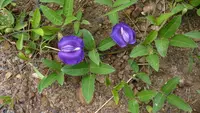
Centrosema brasilianum is a perennial twining legume, often grown as a forage or cover crop rather than a typical ornamental vine. It produces slender stems, trifoliate leaves, and distinctive pea-like flowers that range from pale lilac to deeper purple tones.

This species is native to tropical and subtropical regions of South America but is now used in warm climates worldwide, especially in pasture and soil improvement systems. It is generally considered robust and adaptable, yet it needs warmth and good drainage to establish well.

Understanding how to care for Centrosema brasilianum starts with providing full sun, moderately moist but not waterlogged soil, and enough space or support for its climbing habit.

Main Plant Requirements

Care Difficulty

Moderate Care

Light Preference

Full Sun

Water Requirements

Moderate Water

Temperature Preference

Tropical / Frost Sensitive

Hardiness Zone

10–12

Soil Texture

Sandy, Loamy, Organic-rich

Soil pH

Acidic (5.5–6.5), Slightly acidic (6.5–7.0)

Soil Drainage

Well-drained

Fertilization

Minimal (feed rarely)

Get Personalized Care Plan

Scan your plant to receive care tips personalized for your specific plant

Available on iOS and Android

How to Care for the Centrosema brasilianum

This tropical vine prefers full sun but copes with some light shade in hot climates.

  • Provide 6–8 hours of direct sun daily, ideally strong morning sun with lighter afternoon exposure in hotter regions.
  • Allow light afternoon shade in areas above 90°F (32°C) to reduce leaf scorch and flower fade, especially on reflective or very dry sites.
  • In cooler seasons or higher latitudes, position Centrosema brasilianum in the brightest, most open spot to maintain flowering and prevent weak, stretched growth.

This species prefers evenly moist, well-drained soil once established in the ground.

  • Water when the top 3–5 cm of soil feels dry, using a deep soak that moistens the root zone rather than light, frequent splashes.
  • Ensure free-draining soil or raised beds to prevent standing water; persistent sogginess, yellowing leaves, or a sour smell indicate overwatering and root stress.
  • In hotter months, monitor more often for wilting or crisp leaf edges as signs of underwatering, but reduce frequency in cooler seasons as growth slows.

This warm-climate legume grows best in stable, frost-free conditions.

  • Aim for 70–90°F (21–32°C) during active growth, which supports steady foliage and flowering without heat stress in most outdoor sites.
  • Protect the plant when temperatures approach 40°F (4°C); light frost can damage foliage, while repeated freezes may kill stems or roots.
  • In hotter regions, it tolerates brief peaks near 100°F (38°C) if soil moisture is maintained and the root zone is mulched to moderate temperature swings.

This species handles average outdoor humidity but benefits from slightly moist air in hot, dry regions.

  • Aim for 40–60% humidity, as very arid air can slow growth and reduce flowering.
  • Tolerates short dry spells, but prolonged hot, dry winds may cause leaf edge browning and flower drop.
  • Increase local humidity outdoors by grouping plants, using mulch over the root zone, or placing near other dense vegetation.

Centrosema brasilianum prefers well-aerated, free-draining soil that prevents waterlogging yet holds moderate moisture.

  • Use a sandy or sandy-loam mix with 20–30% compost for organic matter and 10–20% coarse sand or perlite for drainage.
  • Target a slightly acidic to neutral pH around 6.0–7.0 for reliable nutrient availability.
  • Loosen heavy native soil by incorporating coarse sand, fine gravel, or perlite to improve pore space and root aeration.
  • Avoid compacted clay, standing water, or mixes dominated by fine peat that stay wet and exclude air around the roots.

This vine can be grown in containers if the pot supports its trailing or climbing habit and root depth.

  • Choose a deep, heavy pot that resists tipping when the vine climbs or when a support trellis is attached.
  • Select a container material with moderate moisture retention, such as thick plastic or glazed clay, to buffer rapid drying outdoors.
  • Elevate the pot slightly on feet or bricks so drainage holes stay clear and excess water exits quickly during heavy rain or irrigation.

This vigorous legume usually needs minimal feeding in fertile garden soil, but light fertilization can support flowering in poor soils.

  • Use a balanced, low-strength fertilizer (for example 10-10-10 at 1/2–1/4 label rate) or a thin layer of compost around the root zone.
  • Feed every 4–6 weeks during the warm growing season if growth or flowering appears weak.
  • Avoid high-nitrogen products that cause leafy growth at the expense of blooms on Centrosema brasilianum.
  • Stop fertilizing in late fall and withhold during cool dormant periods to prevent soft, frost-tender growth.

Pruning helps keep Centrosema brasilianum manageable, supports flowering, and prevents tangling in nearby plants.

  • Carry out main pruning in late winter or early spring before vigorous new growth starts.
  • Remove dead, damaged, or diseased stems first, then thin crowded or crossing shoots to improve airflow and light penetration.
  • Shorten long, wandering vines to shape the plant and encourage branching, which increases flowering sites.
  • Use clean, sharp hand pruners or scissors and make cuts just above a leaf node to reduce dieback.

This vigorous twining legume is more often transplanted in the ground than kept long term in containers.

  • Transplant young plants in spring once frost risk passes, choosing a sunny, well-drained site with support for climbing.
  • Look for roots circling the pot, slowed growth, or quick drying soil as signs a container-grown plant needs more space.
  • Move up only 1 pot size, disturb roots as little as possible, and water thoroughly to settle soil around the root ball.
  • Shade lightly and keep soil evenly moist for 1–2 weeks after transplanting to limit shock and help roots establish.

Centrosema brasilianum is most often propagated from seed, with cuttings as a secondary option in warm conditions.

  • Sow fresh seed in late spring when temperatures reach 70–85°F, using a free-draining mix and shallow planting depth.
  • Lightly scarify hard seed coats with sandpaper or soak seeds 12–24 hours to improve and synchronize germination.
  • Keep seed trays consistently moist, not waterlogged, and provide bright light for sturdy seedling growth.
  • Take 10–15 cm soft to semi-ripe stem cuttings in early summer, use rooting hormone, and maintain high humidity until rooted.

This tropical vine is frost-sensitive and needs protection in regions with cold winters.

  • In USDA zones colder than 10, grow Centrosema brasilianum in containers and move indoors before temperatures drop below 50°F.
  • Provide a cool, bright indoor spot and reduce watering so the soil dries slightly between waterings.
  • In mild climates, apply a light organic mulch around the root zone to buffer brief cool spells without smothering the crown.

Care Tips

Provide climbing support

Install sturdy trellis wires or a mesh fence early in the season and loosely tie young vines with soft garden ties so the plant can climb securely and distribute flowering along the support.

Encourage branching

Pinch or lightly cut back the tips of overly long, thin vines in early growth to promote more lateral shoots, which increases flower-bearing sites and creates a fuller plant.

Manage vigorous spread

Use physical edging or shallow root barriers around beds and remove unwanted runners regularly so the vine does not overrun neighboring plants or structures in warm climates.

Optimize nodulation

If soil is poor or previously unfarmed, dust seeds with an appropriate rhizobium inoculant before sowing to improve nitrogen-fixing nodules and overall vigor when growing Centrosema brasilianum.

Time regeneration pruning

In frost-free areas, cut back old, woody growth at the end of the dry or cool season to 15–30 cm above ground to renew the stand and stimulate dense, healthy regrowth for the next flowering period.

Common Pests and Diseases

Leaf spot

This disease causes small water-soaked or brown spots on leaves that can merge into larger damaged areas, especially under warm, humid conditions.

Solution

Remove and discard heavily spotted leaves, avoid overhead watering, and water early in the day so foliage dries quickly. Improve air circulation around plants and, in persistent cases, use a copper- or chlorothalonil-based fungicide labeled for forage or pasture legumes, following label rates carefully.

Powdery mildew

This disease produces white, powdery patches on leaves, stems, and sometimes flower buds, which can reduce photosynthesis and vigor in dense stands.

Solution

Increase spacing and airflow, reduce shade if possible, and avoid excess nitrogen fertilization that promotes soft, susceptible growth. If needed, apply a sulfur-based or other labeled powdery mildew fungicide suited to legumes, treating early when the first small patches appear.

Bean aphids

These insects cluster on tender shoots and undersides of leaves, sucking sap and causing curling, yellowing, and sticky honeydew that can attract sooty mold.

Solution

Spray plants with a strong stream of water to dislodge colonies, and encourage natural predators such as lady beetles by avoiding broad-spectrum insecticides. For heavier infestations, use insecticidal soap or a light horticultural oil, ensuring thorough coverage of leaf undersides and young stems.

Leaf beetles

These insects chew small holes or notches in leaves, and in severe cases can skeletonize foliage and reduce growth in young plants.

Solution

Hand-pick adult beetles where practical and remove nearby weeds that harbor larvae and adults. In larger plantings, monitor regularly and, if damage exceeds acceptable levels, use a targeted spinosad or pyrethrin product labeled for forage legumes, applying in the evening to limit impact on pollinators.

Root-knot nematodes

This pest causes galls or swellings on roots, leading to stunting, reduced nodulation, and poor drought tolerance, especially in light, sandy soils.

Solution

Rotate with non-host or resistant grasses, and avoid planting in known infested sites for several years to reduce nematode populations. Improving soil organic matter and using clean, nematode-free planting material support healthier root systems and help when growing Centrosema brasilianum in areas with a history of nematode problems.

Interesting Facts

Tropical forage legume

This species is widely used as a perennial forage legume in tropical and subtropical regions, where it improves pasture quality and provides protein-rich feed for cattle and other grazing animals.

Strong nitrogen fixer

It forms root nodules with symbiotic rhizobia bacteria and contributes significant biological nitrogen fixation, which enriches poor soils and reduces the need for synthetic nitrogen fertilizers in pasture systems.

Tolerance to acid soils

The plant shows good adaptation to highly acidic, low-fertility soils and continues to grow where many other forage legumes fail, making it valuable for rehabilitating degraded tropical land.

Botan icon

Did you know?

Centrosema brasilianum is one of the key tropical legumes tested and used in silvopastoral systems, where it can climb or twine on shrubs and trees, combining shade-tolerant forage production with long-term soil improvement and more diverse pasture structure.

FAQs about Centrosema brasilianum

This species is highly attractive to pollinators. Its pea-like flowers provide nectar for bees, butterflies, and other beneficial insects. Planting it near vegetable beds or orchards can help improve overall pollination in the garden.

Grow Healthy Plants with Botan Care

Keep your plants happy and healthy with plant identification, disease detection, and easy care guidance.

Botan plant care app — identify plants on mobile

Explore More Plants