Himalayan clematis Care (Clematis connata)

Himalayan clematis

About Himalayan clematis

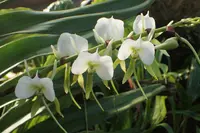
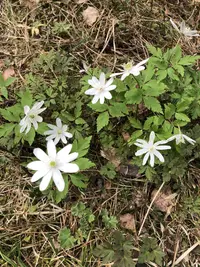
Himalayan clematis (Clematis connata) is a vigorous, deciduous climbing vine valued for its clusters of tubular white to pale yellow flowers that often appear in late summer. The blooms are followed by silky seed heads that add visual interest.

This species is native to montane regions of the Himalayas, where it scrambles through shrubs and small trees. In gardens it typically needs a support, such as a trellis or fence, and can cover it quite quickly.

It is moderately easy to grow when its basic needs are met. It prefers cool roots, well-drained fertile soil, and sun to light shade on the upper growth. These traits shape how to care for Himalayan clematis in temperate gardens.

Main Plant Requirements

Care Difficulty

Moderate Care

Light Preference

Partial Shade

Water Requirements

Moderate Water

Temperature Preference

Cold Hardy

Hardiness Zone

6–9

Soil Texture

Loamy, Sandy, Organic-rich

Soil pH

Acidic (5.5–6.5), Slightly acidic (6.5–7.0)

Soil Drainage

Moist but well-drained

Fertilization

Light (every 4–6 weeks)

Get Personalized Care Plan

Scan your plant to receive care tips personalized for your specific plant

Available on iOS and Android

How to Care for the Himalayan clematis

This climbing species prefers a balance of strong light on the stems and flowers with shaded roots.

  • Provide 4–6 hours of sun daily, ideally morning sun with light afternoon shade; intense late-afternoon sun in hot summers can scorch leaves and fade blooms.
  • Himalayan clematis tolerates partial shade, but flowering drops if it receives less than about 3–4 hours of direct or very bright filtered light.
  • Site it where nearby plants or mulch shade the root zone while the upper vine reaches brighter exposure, especially in south- or east-facing positions.

This vine prefers evenly moist but never waterlogged soil, supported by deep, thorough watering.

  • Water when the top 3–5 cm of soil feels dry, soaking the root zone deeply so moisture reaches 20–30 cm down rather than giving light, frequent splashes.
  • Use well-drained soil rich in organic matter; yellowing leaves and limp, soft stems suggest overwatering or poor drainage, while crisp, drooping foliage usually indicates underwatering.
  • In cool spring and fall reduce frequency slightly, but in hot, dry periods increase checks, as Clematis connata can dry out quickly in exposed, windy sites.

This hardy climber tolerates a wide outdoor temperature range but grows best without extreme heat or rapid freeze–thaw swings.

  • Active growth is strongest around 60–75°F (16–24°C); in these conditions shoots extend quickly and flowering is more reliable.
  • Established plants usually survive winter lows down to about 0–5°F (-18 to -15°C), provided the crown and roots are mulched to buffer repeated freeze–thaw cycles.
  • Short periods of 85–90°F (29–32°C) are tolerated if soil stays moist and roots are shaded, but extended heat above this can stress vines and reduce bud formation.

Clematis connata grows well in typical outdoor humidity and rarely needs special humidity management.

Clematis connata prefers deep, moist but sharply drained, humus-rich soil for strong root and vine growth.

  • Use a loamy soil with plenty of organic matter, such as composted bark and garden compost, to retain moisture yet stay friable.
  • Ensure free drainage by avoiding heavy, compacted clay; if clay is present, amend with coarse sand or fine gravel plus organic matter.
  • Aim for slightly acidic to neutral pH, around 6.0–7.0, which supports nutrient availability and healthy root function.
  • Avoid waterlogged or very shallow soils, since persistent wetness around the crown increases the risk of rot and weak growth.

This species can be grown in containers if the pot is large, deep, and very stable.

  • Choose a tall, heavy container that is difficult to tip, as the vine becomes top-heavy once it climbs a support.
  • Fill the pot with a coarse, well-aerated mix, such as loam-based compost with bark chunks and perlite, to keep roots oxygenated.
  • Position the container so the root zone stays shaded or cool while the vine can climb into full sun, reducing root stress in summer heat.

Clematis connata benefits from moderate, well-timed feeding to support vine growth and flowering.

  • Apply a balanced NPK granular fertilizer or slow-release formula in early spring as new growth starts.
  • Feed again in mid-summer if growth slows, keeping total applications to 2–3 times per growing season.
  • Dilute liquid feeds to half strength and apply to moist soil to avoid root burn.
  • Use a light top-dressing of compost around the root zone instead of heavy, high-nitrogen products during peak growth.

Pruning helps Clematis connata stay manageable and flower well on vigorous vines.

  • Carry out main pruning in late winter to early spring before strong new growth begins.
  • Remove dead, damaged, or weak stems first, then thin congested growth to improve air flow.
  • Shorten long, wayward shoots to shape the vine and keep flowering closer to eye level.
  • Use clean, sharp bypass pruners and make cuts just above a healthy pair of buds.

This clematis is usually grown in the ground, so focus on careful transplanting rather than frequent repotting.

  • Transplant in early spring or early fall when temperatures are mild and soil is workable.
  • Look for signs such as slow growth, poor flowering, or roots circling a pot if grown in containers.
  • Move the root ball with as much surrounding soil as possible to limit disturbance and stress.
  • Water thoroughly after planting, then shade the base and keep soil evenly moist until re-established.

Clematis connata is commonly propagated by cuttings, layering, or seed under controlled conditions.

  • Take semi-ripe stem cuttings in late spring to summer and root them in a moist, free-draining mix.
  • Provide bright, indirect light, high humidity, and bottom warmth around 70°F to support rooting.
  • Use simple layering by pegging a flexible stem into soil and severing it once strong roots form.
  • Sow fresh seed in a cold frame, allowing natural winter chilling to break dormancy and improve germination.

This clematis is fairly cold hardy but benefits from basic winter care, especially in colder regions.

  • Apply a 5–8 cm mulch layer over the root zone in late fall, keeping mulch slightly away from stems.
  • Reduce watering in winter, allowing soil to stay just lightly moist, not wet or frozen.
  • Move container-grown plants to a sheltered, unheated but frost-free spot in very cold climates.
  • Avoid heavy pruning in late fall so stems help shield lower buds through winter.

Care Tips

Sturdy climbing support

Install a rigid trellis, wire grid, or netting with horizontal elements no more than 10–15 cm apart so stems and leaf petioles can easily hook on and climb without constant tying.

Cool root zone

Mulch the root area with 5–8 cm of composted bark or leaf mold and shade the base with low perennials or stones to keep roots cooler and more even in moisture during summer.

Airflow around vines

Space plants at least 60–90 cm from solid fences or walls and avoid overcrowding with other climbers so foliage dries quickly after rain and is less prone to fungal issues.

Layering for backup

In late spring, pin a flexible, healthy stem to the soil surface with a U-shaped wire and cover the pinned section with 3–5 cm of soil to create a layered plant that serves as insurance if the main crown is damaged.

Spring growth training

As new shoots reach 20–30 cm, gently fan them out and guide them onto separate support lines, which distributes foliage evenly, improves light penetration, and simplifies caring for Himalayan clematis over time.

Common Pests and Diseases

Clematis wilt

This disease causes sudden blackening and collapse of stems, often just as plants are coming into active growth or flowering. Symptoms include wilted shoots that turn dark brown to black while the roots may remain alive.

Solution

Cut out affected stems well below the blackened area, disinfecting pruners between cuts, and dispose of all infected material in the trash. Keep the base of the plant cool and evenly moist, avoid mechanical damage to stems, and encourage strong regrowth from the crown by maintaining good soil structure and steady watering as part of general Clematis connata care instructions.

Powdery mildew

This disease appears as white or gray powdery patches on leaves and young stems, leading to yellowing and early leaf drop in warm, dry conditions with poor air circulation. Symptoms include distorted new growth and a dull, dusty look on foliage.

Solution

Remove and discard heavily affected leaves, then improve air circulation by gently thinning congested growth and keeping nearby plants from crowding the vine. Water at the base in the morning, avoid wetting foliage, and use a targeted fungicidal spray labeled for ornamental vines if conditions remain favorable for mildew development.

Aphids

These insects cluster on soft shoot tips and buds, sucking sap and excreting sticky honeydew that can lead to sooty mold growth. This pest causes distorted new growth, reduced vigor, and may transmit viruses between clematis plants.

Solution

Dislodge colonies with a firm stream of water, then monitor young growth regularly and repeat as needed. If populations stay high, use insecticidal soap or horticultural oil, applied thoroughly to the undersides of leaves and tender stems, and encourage natural predators such as lady beetles by avoiding broad-spectrum insecticides nearby.

Slugs and snails

These pests feed on young shoots and lower leaves, often chewing large irregular holes or completely removing tender emerging stems near soil level. Damage is most common in cool, damp conditions and may slow or deform early growth.

Solution

Hand-pick slugs and snails in the evening or early morning, and use barriers such as copper tape or sharp grit around the base of the plant. Reduce hiding places by clearing dense mulch and debris near the crown, and where pressure is high, apply iron phosphate slug baits according to label directions, keeping pellets away from pets and children.

Spider mites

These insects are tiny sap-feeding pests that thrive in hot, dry conditions, causing fine stippling, bronzing, and eventual leaf drop. Symptoms include very fine webbing on the undersides of leaves and between stems when populations are high.

Solution

Rinse foliage thoroughly with water, focusing on leaf undersides, and repeat several times over a week to reduce populations. Increase humidity around the plant if grown in very dry conditions, and if needed apply horticultural oil or insecticidal soap, ensuring full coverage and avoiding use during intense midday sun to prevent leaf scorch.

Interesting Facts

Late-season forest climber

This species is native to temperate montane forests of the Himalaya and western China, where it twines through shrubs and small trees rather than scrambling with leaf stalks like many other clematis species.

Distinct tubular flowers

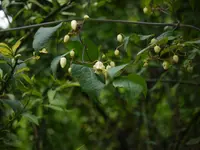
Its pale, narrowly tubular flowers with reflexed (bent-back) tips and a greenish or violet tinge differ from the large, open, star-shaped blooms that many ornamental clematis are known for.

Feathery seed heads

After flowering, it produces clusters of achenes (dry one-seeded fruits) with long, silky, feathery styles that help wind dispersal and give the plant a soft, plume-like appearance in fruit.

Botan icon

Did you know?

Taxonomically, this species has had a complex history and has sometimes been confused with or treated close to Clematis montana in older literature, but it is now recognized as a distinct Himalayan taxon with narrower, tubular flowers and different vegetative features.

FAQs about Himalayan clematis

This species can spread by both seed and stem growth, especially in mild, moist climates. In some regions it is considered invasive. Regular pruning and prompt removal of self-sown seedlings help keep it contained.

Grow Healthy Plants with Botan Care

Keep your plants happy and healthy with plant identification, disease detection, and easy care guidance.

Botan plant care app — identify plants on mobile

Explore More Plants