Anemonoides altaica Care

Anemonoides altaica

About Anemonoides altaica

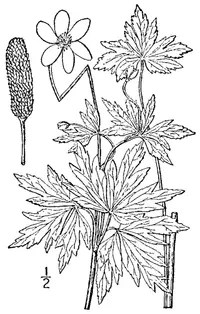
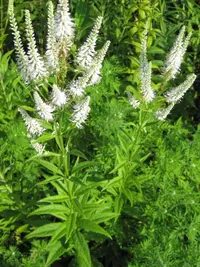
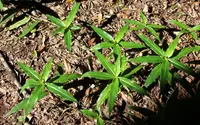
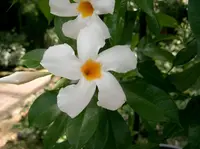
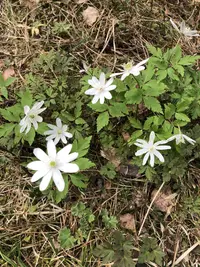
Anemonoides altaica is a small, tuberous perennial from the buttercup family, grown mainly for its early spring flowers. It forms low clumps of divided, often finely cut leaves topped by single, starry white to pale blue blooms.

In nature it occurs in cool, woodland and meadow habitats across parts of eastern Europe and northern Asia. The plant has a compact, slowly spreading habit and typically enters summer dormancy once temperatures rise.

It is considered moderately easy to grow if given cool conditions, humus-rich well-drained soil, and light shade. Understanding how to care for Anemonoides altaica starts with providing consistent moisture in spring and good drainage year-round.

Main Plant Requirements

Care Difficulty

Moderate Care

Light Preference

Partial Shade

Water Requirements

Moderate Water

Temperature Preference

Cold Hardy

Hardiness Zone

4–7

Soil Texture

Loamy, Silty, Organic-rich

Soil pH

Acidic (5.5–6.5), Slightly acidic (6.5–7.0)

Soil Drainage

Moist but well-drained

Fertilization

Minimal (feed rarely)

Get Personalized Care Plan

Scan your plant to receive care tips personalized for your specific plant

Available on iOS and Android

How to Care for the Anemonoides altaica

This woodland perennial prefers cool, bright conditions with soft, filtered light.

  • Provide 3–5 hours of gentle morning sun with dappled or open shade in the afternoon to mimic a light woodland edge.
  • Tolerates partial to full shade, but in deep shade flowering decreases and stems may stretch toward light, becoming weaker.
  • Protect Anemonoides altaica from strong midday sun, which can scorch foliage and dry the soil quickly, especially in late spring and early summer.

This plant prefers evenly moist, well-drained soil and reacts quickly to extremes in watering.

  • Water when the top 2–3 cm of soil feel dry, allowing moisture to reach the root zone without leaving the ground soggy.
  • Use humus-rich, free-draining soil so excess water can move away; prolonged wetness leads to yellowing leaves and root rot.
  • In spring growth, monitor closely and increase watering during dry spells; once foliage dies back in summer dormancy, reduce watering sharply to prevent tuber rot.

This hardy spring perennial is adapted to cool climates and pronounced seasonal change.

  • Optimal growth and flowering occur in cool spring weather around 50–65°F (10–18°C), with soil that is neither frozen nor hot.
  • Dormant tubers survive winter cold down to about 0°F (−18°C) in well-drained soil, especially with a layer of organic mulch for insulation.
  • Plants tolerate mild summer warmth up to about 80°F (27°C) if shaded and mulched, but prolonged heat and dry soil will shorten the foliage period.

This woodland perennial tolerates a wide humidity range and rarely needs special humidity management outdoors.

This woodland species prefers cool, loose, humus-rich soil that stays evenly moist yet never waterlogged.

  • Use a loamy mix with 40–60% compost or leaf mold blended with garden soil for organic matter and moisture retention.
  • Ensure sharp drainage by incorporating mineral grit such as perlite or coarse sand at 20–30% of the mix volume.
  • Aim for slightly acidic to neutral pH around 6.0–7.0, avoiding strongly alkaline or compacted clay conditions.
  • Improve aeration by loosening the top 5–8 cm annually and adding fresh organic mulch that slowly breaks down into the root zone.

This species can be grown in containers if the pot mimics a cool, moist, woodland-style root environment.

  • Choose a pot at least 20–25 cm deep to allow its fibrous roots to spread and avoid quick drying of the upper layer.
  • Use a thicker-walled clay or ceramic pot when possible to moderate temperature swings and slow moisture loss in sunny positions.
  • Raise the container slightly on feet or bricks so drainage holes never sit in standing water after rain or irrigation.

This woodland perennial is light-feeding, so Anemonoides altaica usually thrives with modest nutrition in humus-rich soil.

  • Apply a thin layer of garden compost or leaf mold in early spring to mimic woodland leaf litter.
  • If growth appears weak, use a balanced liquid fertilizer (e.g., 10-10-10) at 1/4–1/2 strength every 4–6 weeks during active growth.
  • Avoid feeding during summer dormancy or winter, as the plant is not actively using nutrients.
  • Do not apply fertilizer to dry soil; water lightly first to reduce root burn risk.

Pruning needs are minimal, focusing mainly on cleanliness and maintaining a tidy clump.

  • In late spring or after flowering, remove spent flower stems at the base to direct energy back to the rhizomes.
  • Trim away yellowed or diseased foliage with clean, sharp scissors or hand pruners to reduce disease spread.
  • Thin out any crowded, weak stems to improve air flow and maintain a neat groundcover appearance.
  • Disinfect tools before and after cutting if disease is suspected to avoid transferring pathogens.

This species is usually grown in the ground, with transplanting focused on adjusting clump position or spacing.

  • Transplant in early autumn or very early spring when the plant is dormant or just emerging, to limit stress.
  • Lift clumps gently with a fork, keeping rhizomes and attached roots intact; avoid tearing fine feeder roots.
  • Replant at the same depth in moist, well-drained, humus-rich soil and water thoroughly to settle soil around roots.
  • Container plants need moving only when roots circle the pot or growth slows; shift up 1 pot size and handle rhizomes carefully.

Propagation of Anemonoides altaica is most reliable by division, with seed used mainly for patient growers.

  • Divide rhizomes in early autumn or very early spring while plants are dormant, lifting clumps carefully with a fork.
  • Gently tease apart natural offsets, ensuring each division has buds and healthy roots before replanting.
  • Replant divisions immediately into moist, humus-rich soil, then water well to close air pockets and support establishment.
  • For seeds, sow fresh in a cool frame; a cold period (cold stratification) improves germination over the following spring.

This species is cold hardy in many temperate gardens and usually needs only simple ground-level protection.

  • Tolerates typical winter frost once established, dying back to underground rhizomes while top growth disappears.
  • Apply a 3–5 cm layer of leaf mold or compost mulch in late autumn to insulate the root zone and conserve moisture.
  • Container-grown plants benefit from moving pots to a sheltered, unheated area to reduce freeze–thaw stress on roots.

Care Tips

Mark Dormant Clumps

Place small, discreet labels where each clump grows in spring so you do not accidentally dig up or damage the dormant rhizomes during summer and fall bed work.

Shade Root Zone

In climates with warm or fluctuating spring weather, use low groundcovers or a light organic mulch to keep the shallow root zone cool and evenly moist without covering the emerging shoots.

Divide At Leaf-Fall

Schedule division just after the foliage yellows and collapses, lifting and splitting congested rhizomes into small, firm sections and replanting them immediately at the same depth to maintain flowering performance.

Protect From Bulb Pests

When replanting rhizomes, lay down a fine wire mesh or hardware cloth 3–5 cm below planting depth to deter voles and other burrowing pests from feeding on the underground parts.

Staggered Site Selection

Establish small groups in slightly different microclimates, such as one cooler and one a bit warmer, to spread flowering time and reduce the risk that a single late frost ruins the entire display when growing Anemonoides altaica.

Common Pests and Diseases

Powdery mildew

This disease causes whitish, powdery patches on leaves and flower stalks, often appearing in crowded or shaded plantings during dry days with high humidity. Symptoms include distorted growth and premature leaf yellowing or drop.

Solution

Remove and discard heavily affected leaves to reduce spore load, then improve air circulation by thinning nearby plants and avoiding overhead watering. If needed, apply a sulfur or potassium bicarbonate fungicide labeled for ornamental perennials early in the outbreak, following label directions carefully.

Downy mildew

This disease shows as yellow or pale blotches on the upper leaf surface with a grayish to purplish fuzzy growth on the underside, particularly in cool, damp springs. Symptoms include stunted growth and early dieback of foliage in shaded, poorly ventilated sites.

Solution

Promptly remove and discard infected foliage and reduce leaf wetness by watering at soil level in the morning. Increase spacing and airflow, and where problems recur, use a phosphonate or copper-based fungicide labeled for downy mildew on ornamentals at the first signs of spotting.

Leaf spot

This disease produces small brown, purple, or tan spots on leaves that may merge into larger dead areas, usually after extended wet periods. Symptoms include thinning clumps and reduced flowering over time if spotting is severe and repeated each year.

Solution

Cut and dispose of heavily spotted leaves and any fallen debris to limit disease carryover, especially at the end of the season. Improve drainage and airflow, avoid overhead irrigation, and consider a protective fungicide spray in early spring if leaf spot has been a recurring issue in that planting area.

Slugs and snails

These pests chew irregular holes in young leaves and petals and often leave silvery slime trails, particularly in moist, shaded woodland settings where this species is commonly grown. Symptoms include ragged foliage and damaged flower buds early in the season.

Solution

Hand-pick slugs and snails in the evening, use iron phosphate bait around but not touching the clumps, and reduce hiding places such as dense mulch and debris. Copper barriers or rough grit around plant crowns can also help protect new shoots during their most vulnerable stage.

Narcissus bulb fly

This pest can attack underground structures of early spring geophytes growing nearby, and in mixed bulb plantings larvae sometimes tunnel into rhizome-like bases, causing sudden collapse of shoots. Symptoms include wilting, distorted or stunted stems, and plants failing to re-emerge well in following years.

Solution

Inspect and discard any soft, tunneled underground parts and avoid storing or replanting questionable material. In gardens with recurring issues, lift and divide clumps regularly, rotate planting sites, and avoid growing highly susceptible bulbs such as Narcissus directly adjacent to Anemonoides altaica to reduce local pest pressure.

Interesting Facts

Early spring snowmelt specialist

This species flowers very early in spring, often emerging through partially melted snow in its native range across Siberia, Mongolia, and northeastern Asia, taking advantage of high light levels before trees leaf out.

Distinctive blue anthers

Unlike many white-flowered wood anemones, this species typically bears striking pale to deep blue anthers, which give the flowers a characteristic bicolored look that helps in field identification.

Genus reclassification example

Formerly treated in the genus Anemone (as Anemone altaica), it is now placed in Anemonoides based on molecular and morphological studies that showed clear separation within the buttercup family Ranunculaceae.

Botan icon

Did you know?

In parts of its native range, this species forms extensive spring carpets in light woodland and forest-edge habitats, acting as an important early nectar and pollen source for awakening bees and other cold-tolerant insects before most other herbaceous plants have started to grow.

FAQs about Anemonoides altaica

This species spreads gently by short rhizomes, forming loose clumps rather than dense mats. It can naturalize over time in suitable woodland conditions but is not typically considered aggressive or difficult to control in home gardens.

Grow Healthy Plants with Botan Care

Keep your plants happy and healthy with plant identification, disease detection, and easy care guidance.

Botan plant care app — identify plants on mobile

Explore More Plants