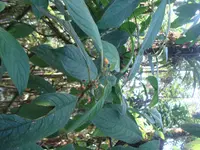
pineland golden trumpet Care (Angadenia berteroi)

pineland golden trumpet

About pineland golden trumpet

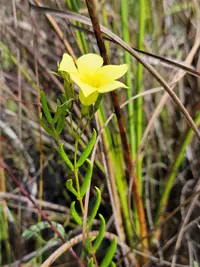
Pineland golden trumpet (Angadenia berteroi) is a small, woody, twining vine native to pine rocklands and coastal hammocks of southern Florida and the Caribbean. It belongs to the dogbane family, a group often adapted to dry, sunny habitats.

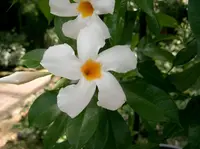
The plant bears narrow, glossy leaves and showy, bright yellow, trumpet-shaped flowers that attract butterflies and other pollinators. Growth is relatively slow and compact, which can make it suitable for small, warm gardens.

It prefers full sun, sharply drained, sandy soil, and low to moderate moisture, reflecting its origin in seasonally dry habitats. Gardeners who learn how to care for pineland golden trumpet will find it rewarding but not ideal for very wet or cold climates.


Main Plant Requirements

Care Difficulty

Moderate Care

Light Preference

Full Sun

Water Requirements

Moderate Water

Temperature Preference

Tropical / Frost Sensitive

Hardiness Zone

10–11

Soil Texture

Sandy, Loamy

Soil pH

Acidic (5.5–6.5), Slightly acidic (6.5–7.0)

Soil Drainage

Well-drained

Fertilization

Minimal (feed rarely)

Get Personalized Care Plan

Scan your plant to receive care tips personalized for your specific plant

Available on iOS and Android

How to Care for the pineland golden trumpet

This sun-loving shrub thrives in bright, open sites that mimic its native pine rockland habitat.

  • Provide 6–8 hours of direct sun daily; morning and midday sun are ideal, with light afternoon shade in very hot inland areas.
  • It tolerates light partial shade (3–4 hours sun), but flowering and compact growth decline as shade increases.
  • In summer, monitor for leaf scorch or yellowing from reflected heat; in winter, ensure the pineland golden trumpet is not shaded by buildings or deciduous trees for most of the day.

This drought-tolerant species prefers deep, infrequent watering once established.

  • Outdoors in the ground, water when the top 5–8 cm of soil are dry; in sandy sites this may mean soaking every 7–14 days after the first growing season.
  • Use sharply drained soil; avoid spots where water pools for more than 1–2 hours, since chronically wet roots cause yellowing leaves, stem dieback, and root rot.
  • In hot, dry spells, watch for dull, slightly curling leaves as a cue to water more deeply; reduce watering in cool seasons when growth slows.

This species prefers warm, frost-free conditions typical of subtropical climates.

  • Optimal growth occurs at 70–85°F (21–29°C), with flowering best maintained when nights stay above 60°F (16°C).
  • It tolerates short heat waves up to about 95°F (35°C) if soil moisture is adequate and roots are mulched to limit temperature swings.
  • Angadenia berteroi is very frost sensitive; damage often appears below 40°F (4°C), and hard freezes below 32°F (0°C) can kill stems to the ground or the whole plant.

Angadenia berteroi prefers warm, moderately humid air but adapts to typical indoor levels if not extremely dry.

  • Aim for 40–60% humidity; sustained levels below 30% increase leaf edge browning risk.
  • Dry air stress shows as curled, brittle leaves and stalled new growth, especially in heated rooms.
  • Increase humidity with a nearby pebble tray or grouping plants, rather than misting, which dries quickly and may encourage leaf spots.

This species needs sharply draining, sandy soil that mimics its native pineland habitat.

  • Use a mix of roughly 50–60% coarse sand, 20–30% perlite, and 20–30% lean compost or fine bark to keep the root zone airy.
  • Ensure water runs through in seconds, not minutes; the mix should feel gritty rather than dense or spongy.
  • Aim for slightly acidic to neutral pH around 6.0–7.0, avoiding limy amendments that push the mix too alkaline.
  • Avoid heavy clay, peat-dominant, or constantly wet substrates, which promote root rot and reduce oxygen around the roots.

This species is suitable for container growing when given a fast-draining mix and a pot that dries quickly between waterings.

  • Choose a deep, narrow pot so the long taproot can extend downward without circling tightly near the base.
  • Select unglazed terracotta if extra evaporation is needed, as it sheds moisture faster than plastic or glazed ceramic.
  • Place the pot where wind or accidental bumps will not tip it, since upright, vining growth can become top-heavy as stems lengthen.

Angadenia berteroi benefits from light feeding but excess fertilizer can reduce flowering of this pineland golden trumpet.

  • Apply a balanced, slow-release fertilizer (such as 10-10-10) at half strength once in early spring as new growth starts.
  • In sandy or poor soils, top-dress with a thin layer of compost to improve nutrient holding and soil structure.
  • During the main growing season, use a diluted balanced liquid feed every 6–8 weeks if growth appears weak.
  • Stop feeding in late summer and avoid fertilizing in winter dormancy to prevent soft, frost-tender growth.

Pruning Angadenia berteroi helps maintain a compact, flowering shrub and removes weak growth.

  • Carry out light shaping after the main flush of flowers, usually in late spring or early summer.
  • Remove dead, diseased, or storm-damaged stems back to healthy tissue using clean, sharp bypass pruners.
  • Thin out crowded interior shoots to improve air movement and light penetration, which supports better flowering.
  • Avoid heavy, hard pruning into old wood; shorten stems gradually over 1–2 seasons to adjust plant size.

This species is more often grown in the ground, so focus on careful transplanting rather than frequent repotting.

  • Transplant in late winter or early spring when growth is just starting and temperatures are mild.
  • Look for signs such as roots circling the pot, crowded root ball, or slowed growth if grown in a container.
  • Shift to a only slightly larger container or fresh ground with well-drained, sandy soil to limit transplant shock.
  • Water thoroughly after moving, keep soil evenly moist but not waterlogged, and shade lightly for 7–10 days to reduce stress.

Propagation of Angadenia berteroi is possible but somewhat specialized, mainly using seeds and semi-ripe cuttings.

  • Collect ripe seeds in late summer, sow in a fast-draining, sterile mix, and keep around 70–75°F for germination.
  • Take semi-ripe stem cuttings in late spring to midsummer, using non-flowering shoots 8–10 cm long.
  • Dip cut ends in rooting hormone, place in a porous mix, and maintain high humidity with bright, indirect light.
  • Provide bottom warmth if possible and avoid waterlogging to reduce rot risk during rooting.

This subtropical shrub is frost-sensitive and needs protection in regions with cold winters.

  • In USDA zones colder than 9, grow in containers and move plants indoors or into a frost-free greenhouse before nights reach 40°F.
  • In mild climates, apply a 5–8 cm mulch layer around the root zone, keeping it slightly away from the stems.
  • Cover exposed outdoor plants during brief cold snaps with frost cloth, supported to prevent fabric from crushing stems.

Care Tips

Winter protection strategy

In areas that receive occasional light frost, grow this plant in a large, lightweight container that can be moved into a frost-free garage or porch on cold nights, then returned to full sun once temperatures rise above 50°F.

Support for vining stems

Install a low trellis, fence, or shrub support early in the season so the long, flexible stems can be loosely tied and guided, which reduces wind damage and showcases the flowers at eye level.

Targeted deadheading

Regularly snip off spent flower clusters just above a leaf node during the warm season to encourage repeated blooming instead of seed production, using clean, sharp pruners to avoid tearing the stems.

Root zone heat management

In very hot, exposed sites, apply a light, mineral-based mulch like coarse sand or small gravel around the root zone to reduce extreme soil temperature swings while still allowing good drainage.

Salt and wind planning

When planting near the coast, position the plant where buildings or shrubs break the strongest salt-laden winds, since this species tolerates coastal conditions but performs better with some shelter from constant spray.

Common Pests and Diseases

Oleander caterpillars

These insects are bright orange, spiny caterpillars that feed heavily on leaves, often skeletonizing foliage and defoliating stems on pineland golden trumpet.

Solution

Hand-pick and destroy caterpillars when numbers are low, and prune off heavily infested shoots. For larger infestations, use a Bacillus thuringiensis (Bt) product directed at young caterpillars and avoid spraying when beneficial insects or pollinators are very active.

Oleander aphids

These insects form dense yellow to orange colonies on tender stems and buds, sucking sap and causing distortion and sticky honeydew that can attract sooty mold.

Solution

Rinse colonies off with a strong stream of water and pinch back heavily infested tips. If needed, apply insecticidal soap or a light horticultural oil, coating stems and leaf undersides and repeating as label directed until populations decline.

Spider mites

This pest is more common in hot, dry conditions and causes stippled, dull foliage, fine webbing, and gradual leaf drop on stressed plants.

Solution

Increase humidity around the plant, then hose down foliage thoroughly, including the undersides of leaves. If populations persist, use insecticidal soap or a miticide labeled for spider mites, repeating at intervals to target successive generations as part of Angadenia berteroi care.

Leaf spot

This disease produces small tan to dark brown spots on leaves that may coalesce, leading to premature yellowing and leaf drop, especially in humid or poorly ventilated conditions.

Solution

Remove and discard affected leaves and any fallen debris around the plant to reduce inoculum. Improve air circulation, avoid overhead watering, and if the problem is persistent, use a copper-based or other labeled ornamental fungicide applied according to label directions.

Interesting Facts

Specialist butterfly host

This species is a larval host plant for the polkadot wasp moth (Syntomeida epilais), whose caterpillars can feed on its toxic leaves without harm, integrating the plant’s chemical defenses into their own protection.

Rare pine rockland native

It is naturally restricted to dry, rocky pinelands and coastal hammocks in southern Florida, the Bahamas, and nearby Caribbean regions, and has declined in the wild as pine rockland habitat has been lost and fragmented.

Milky toxic latex

The plant produces a white, milky latex typical of the dogbane family (Apocynaceae); this sap contains cardiac glycosides that deter most vertebrate herbivores and can be irritating if it contacts skin or eyes.

Botan icon

Did you know?

In its native pine rockland communities of southern Florida, this species often emerges and flowers most profusely after periodic fires, taking advantage of the increased light and reduced competition created by the natural fire cycle.

FAQs about pineland golden trumpet

The fragrant yellow flowers are rich in nectar and strongly attract native bees, butterflies, and some moths. In warm climates, it can be a reliable nectar source, supporting pollinators when other shrubs may not be blooming.

Grow Healthy Plants with Botan Care

Keep your plants happy and healthy with plant identification, disease detection, and easy care guidance.

Botan plant care app — identify plants on mobile

Explore More Plants