Cool-season placement
Move pots to a cooler, shaded outdoor spot in late summer at higher elevations, as this alpine species performs best when nights drop below 55°F and roots stay cool.

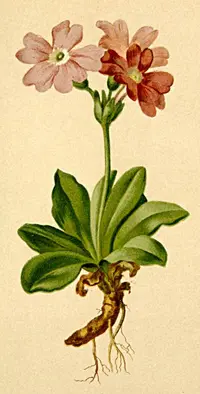
Spectacular primrose (Primula spectabilis) is a compact, clump-forming perennial known for its bright, showy flower clusters held above neat rosettes of green leaves. It stays low to the ground and works well at the front of borders, in rock gardens, or in containers where its blooms are easy to see.
This species comes from alpine and subalpine regions of Europe, so it prefers cooler conditions and steady moisture rather than heat and drought. It is not the easiest primrose for warm climates but can be manageable if its need for cool roots and evenly moist, well-drained soil is respected. Understanding how to care for Spectacular Primrose helps keep it vigorous and flowering reliably.

Care Difficulty
Moderate Care

Light Preference
Partial Shade

Water Requirements
Keep Soil Moist

Temperature Preference
Cool Climate

Hardiness Zone
5–8

Soil Texture
Loamy, Peaty, Organic-rich

Soil pH
Acidic (5.5–6.5), Slightly acidic (6.5–7.0)

Soil Drainage
Moist but well-drained

Fertilization
Light (every 4–6 weeks)
Scan your plant to receive care tips personalized for your specific plant
Available on iOS and Android
This alpine primrose prefers cool, bright conditions with limited direct sun exposure.
This species prefers consistently moist but never waterlogged soil.
This primrose thrives in cool to mild temperatures and dislikes extreme heat.
This species benefits from moderately moist air and reacts quickly to dry indoor conditions.
Primula spectabilis prefers a light, moist but well-drained, humus-rich substrate.
This primrose grows well in containers when moisture and root space are carefully managed.
Primula spectabilis benefits from modest, consistent feeding to maintain flowering and healthy foliage.
Primula spectabilis benefits from light, targeted pruning to keep plants compact and flowering well.
Primula spectabilis is usually grown in garden beds, but container plants or nursery stock may need occasional transplanting.
Primula spectabilis is commonly propagated by division and sometimes from seed under cool conditions.
Primula spectabilis is generally cold hardy but still benefits from simple winter preparation in colder regions.

Plant Health Check
Not sure what's wrong with your plant? Check your plant's health inside the app.
This primrose is native to the eastern Alps and is typically found on limestone cliffs and rocky slopes at high elevations, where it is adapted to thin, calcareous soils and significant temperature fluctuations.
It grows as a compact basal rosette of leaves pressed close to the ground, a growth form that reduces exposure to cold mountain winds and helps retain warmth and moisture near the plant base.
In its native habitat, it flowers in late spring to early summer, timing its bright purple blooms to take advantage of the short alpine growing season and peak pollinator activity.
Lack of blooms usually comes from excess warmth in winter, too much shade, or nutrient imbalance from high nitrogen fertilizer. Provide a cool rest period, bright but indirect light, and a balanced feed to support flower formation.
Keep your plants happy and healthy with plant identification, disease detection, and easy care guidance.