Hosta Care (Hosta 'Wolverine')

About Hosta

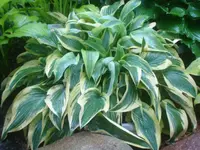
Hosta 'Wolverine' is a herbaceous perennial grown mainly for its arching, variegated foliage rather than its flowers. It forms a dense clump with long, wavy leaves in blue-green and gold tones, giving a layered, flowing look in shaded beds. This cultivar belongs to a group of woodland plants native to East Asia, especially Japan, that thrive in cool, moist, partially shaded environments. Its strong shade tolerance and steady growth habit make it reliable in many temperate gardens, as long as soil stays evenly moist and well drained. Overall, it is considered easy to grow, though slugs and snails can be an issue. Once the basic needs are understood, it is straightforward to learn how to care for Hosta in a home garden setting.

Main Plant Requirements

Care Difficulty

Easy Care

Light Preference

Partial Shade

Water Requirements

Regular Water

Temperature Preference

Cold Hardy

Hardiness Zone

3–8

Soil Texture

Loamy, Silty, Organic-rich

Soil pH

Acidic (5.5–6.5), Slightly acidic (6.5–7.0)

Soil Drainage

Moist but well-drained

Fertilization

Light (every 4–6 weeks)

Get Personalized Care Plan

Scan your plant to receive care tips personalized for your specific plant

Available on iOS and Android

How to Care for the Hosta

This cultivar prefers bright but gentle light to maintain strong variegation without leaf scorch.

  • Provide 3–5 hours of morning sun with afternoon shade; dappled or filtered light under open trees suits Hosta 'Wolverine' well.
  • In hot summers, shield from direct sun after 11 a.m. to prevent faded color, crispy edges, and scorched spots on leaves.
  • If grown in too much shade, expect looser clumps and duller leaf color; move gradually to a brighter, still protected position in spring.

This plant prefers consistently moist, cool soil with good drainage around its roots.

  • Water when the top 3–5 cm of soil feel dry, soaking the root zone deeply rather than giving light surface splashes.
  • During hot, dry periods, check moisture every 2–3 days; in cool or rainy weather, extend intervals to avoid saturated soil that encourages root rot.
  • Signs of underwatering include drooping, thin leaves and dry edges; yellowing, soft, or wilting leaves in wet soil indicate overwatering in Hosta 'Wolverine'.

This hardy perennial is adapted to cool to mild climates with a pronounced winter chill period.

  • Active growth is strongest at 60–75°F (16–24°C); foliage may slow or look stressed if temperatures stay outside this range for long.
  • Dormant crowns tolerate down to about -20°F (-29°C) under mulch or snow cover, but emerging spring shoots are sensitive to late frosts.
  • In summer heat above 85°F (29°C), provide shade and consistent moisture; prolonged 95°F (35°C) and above can cause leaf scorch and stress.

This cultivar handles typical outdoor humidity but benefits from moderately moist air in hot, dry regions.

  • Aim for 40–60% humidity in exposed, sunny spots to reduce leaf edge scorch during heat waves.
  • Dry air combined with full sun can cause browning leaf tips and margins, especially on younger leaves.
  • Increase humidity locally by using organic mulch over the root zone and grouping plants to reduce evaporation around the foliage.

Hosta 'Wolverine' performs best in consistently moist, well‑drained, organic‑rich soil with a loose structure.

  • Use a loamy mix with plenty of compost or leaf mold to hold moisture yet remain airy around the roots.
  • Ensure drainage by incorporating 20–30% pine bark fines or perlite into heavier clay garden soil.
  • Aim for slightly acidic to neutral pH, around 6.0–7.0, to support nutrient uptake and strong growth.
  • Avoid compacted, waterlogged, or very sandy soils, which lead to root stress, wilting, and poor foliage size.

This variety adapts well to container growing outdoors when the pot supports its spreading root system and foliage.

  • Choose a wide, moderately deep container so the roots can spread laterally, which supports a broader foliage mound.
  • Select a heavier material such as ceramic or thick-walled plastic to keep the container stable against wind and uneven weight.
  • Raise the pot slightly on feet or bricks so drainage holes stay clear and water cannot pool under the container base.

This clump-forming Hosta benefits from light, consistent feeding rather than heavy applications.

  • Use a balanced slow-release fertilizer (for example 10-10-10) or a thin layer of compost in early spring as shoots emerge.
  • Feed again lightly in mid-summer if growth slows, avoiding granular fertilizer directly on leaves or crown.
  • Dilute liquid feeds to 1/2 strength for container plants during the growing season, every 4–6 weeks.
  • Stop feeding in late summer to allow Hosta 'Wolverine' to harden off before dormancy.

Pruning Hosta 'Wolverine' focuses on cleanliness and maintaining a neat mound rather than reshaping the plant.

  • In spring, remove any remaining dead or mushy foliage using clean, sharp hand pruners or scissors.
  • Through the growing season, cut off yellowing, slug-damaged, or broken leaves at the base to reduce disease risk.
  • Deadhead spent flower stalks down to the crown after blooming to tidy the plant and redirect energy to roots.
  • In late fall after frost blackens foliage, shear or cut leaves to ground level, then clear debris to limit pests.

This cultivar is usually grown in the ground, so transplanting divided clumps is more common than repotting.

  • Plan transplanting or moving containers in early spring as new eyes just emerge, or in early fall while soil is warm.
  • Look for congested crowns, slow growth, or roots circling a pot drainage hole as signs it needs more space.
  • Lift the clump carefully with a fork or spade, keeping as much root ball intact as possible to reduce shock.
  • Replant at the same depth in moist, well-drained soil, water thoroughly, then shade and keep evenly moist for 1–2 weeks.

Division is the standard method for increasing Hosta 'Wolverine', since seed will not grow true to type.

  • Divide mature clumps in early spring as pointed shoots appear, or in early fall 4–6 weeks before hard frost.
  • Lift the plant and slice the crown into sections, each with at least 2–3 eyes and a good root portion.
  • Replant divisions at original soil depth in humus-rich, moist, well-drained soil and water deeply.
  • Maintain consistent moisture and light shade until new leaves expand fully, then resume normal care.

This hardy perennial tolerates typical winters in most temperate climates and needs only simple seasonal care.

  • After hard frost, allow foliage to die back, then remove it to reduce overwintering pests and disease.
  • Apply a 5–8 cm layer of mulch over the root zone in late fall, keeping mulch slightly away from the crown.
  • In very cold or exposed sites, add extra mulch or leaves around young clumps for insulation, especially first winter.
  • Move containers into an unheated garage or sheltered spot to avoid repeated freeze–thaw of the root ball.

Care Tips

Slug barrier strategy

Lay a 5–8 cm wide band of sharp horticultural grit or crushed lava rock around the clump in early spring to deter slugs and snails from reaching the emerging shoots.

Early spring protection

When shoots first nose up, cover the crown overnight with an overturned nursery pot or light frost cloth during late cold snaps to prevent frost-scorched new growth.

Divide for vigor

Every 4–6 years, lift and divide the clump in early spring just as eyes emerge, replanting only the healthiest outer divisions to maintain strong variegation and dense mounding habit.

Mulch placement discipline

Apply 2–3 cm of organic mulch around but not touching the crowns, keeping a mulch-free ring of 3–5 cm around each plant to reduce crown rot and vole damage while still conserving moisture.

Leaf sanitation routine

At the end of the season, remove and dispose of all spent leaves rather than composting them to reduce overwintering slugs and foliar disease pressure when caring for Hosta in the same bed year after year.

Common Pests and Diseases

Hosta virus X

This disease causes mottled, streaked, or twisted leaves and often reduces plant vigor over time.

Solution

Remove and destroy the entire infected plant, including roots, and disinfect tools with a 10% bleach solution after use; avoid dividing or sharing plants from suspect clumps and purchase only certified virus-free stock when growing Hosta.

Foliar nematodes

These microscopic worms create tan to brown rectangular lesions between veins that gradually expand and make leaves look burned in sections.

Solution

Remove and discard heavily damaged leaves, avoid overhead watering that keeps foliage wet, improve spacing for faster drying, and do not move divisions from affected clumps; in severe, recurring cases, destroy the entire plant to prevent spread to nearby hostas.

Slug and snail damage

This pest leaves irregular holes, shredded margins, and slime trails on leaves, especially on tender new growth and during wet periods.

Solution

Hand-pick slugs and snails in the evening, use iron phosphate slug bait according to label directions, and reduce hiding places by clearing debris and mulching lightly rather than with thick, damp layers around the crown.

Black vine weevil

These insects chew distinctive notches along leaf edges, while their larvae feed on roots and can weaken or kill plants over time.

Solution

Inspect foliage at night and remove adult weevils by hand, then apply beneficial nematodes to the soil in spring or late summer to target larvae, and avoid keeping the soil overly moist for long periods.

Crown rot (Southern blight)

This disease causes sudden collapse of leaves from the base, with a soft, rotting crown that may show white fungal growth and small tan sclerotia (hardened fungal bodies).

Solution

Remove and discard the entire affected clump and surrounding contaminated soil, improve drainage and avoid deep mulching against the crown, and space plants so air can move through the planting; avoid replanting hostas in the same spot for several years if possible.

Interesting Facts

Distinct cascading habit

This cultivar is known for a pronounced arching and cascading mound, created by long, narrow leaves that droop gracefully rather than forming the typical upright Hosta dome.

Stable variegation pattern

It shows a consistent gold center with blue-green margins that sharpen as the leaf matures, indicating stable chimeral variegation rather than the more changeable patterns seen in some sports.

Blue-green waxy coating

The blue-green margin color comes from a waxy coating called glaucous bloom on the leaf surface, which can help reduce water loss and may fade if exposed to strong direct sun or frequent leaf handling.

Botan icon

Did you know?

Hosta 'Wolverine' is widely believed to be a sport of Hosta 'Striptease', and its introduction added a distinct, low, flowing form to the family of 'Striptease'-derived cultivars, making it a frequent choice in breeding programs focused on narrow, arching foliage.

FAQs about Hosta

Edge yellowing often results from prolonged sun exposure, inconsistent moisture, or nutrient imbalance, especially low nitrogen or magnesium. Check light levels, water evenly, refresh mulch, and consider a balanced slow‑release fertilizer to stabilize foliage color.

Grow Healthy Plants with Botan Care

Keep your plants happy and healthy with plant identification, disease detection, and easy care guidance.

Botan plant care app — identify plants on mobile

Explore More Plants