spurred butterfly pea Care (Centrosema virginianum)

Also known as: butterfly pea, Virginia centro
spurred butterfly pea

About spurred butterfly pea

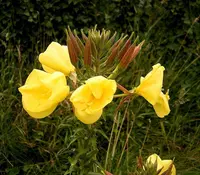
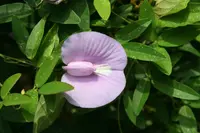
Spurred butterfly pea (Centrosema virginianum) is a perennial vine in the legume family, native to the southeastern United States and parts of Central and South America. It usually grows as a slender, twining climber or groundcover with delicate stems. The plant bears attractive, pale lavender to purple pea-like flowers with a distinctive curved spur, and has narrow, trifoliate leaves that give it a light, airy look. It commonly occurs in open woods, prairies, sandhills, and roadsides, often in dry, low-fertility soils. Centrosema virginianum tends to be drought-tolerant once established and prefers full sun to light shade and well-drained soil, which makes it relatively low-maintenance when learning how to care for spurred butterfly pea.

Main Plant Requirements

Care Difficulty

Easy Care

Light Preference

Full Sun

Water Requirements

Moderate Water

Temperature Preference

Cold Hardy

Hardiness Zone

4–9

Soil Texture

Sandy, Loamy, Rocky

Soil pH

Acidic (5.5–6.5), Slightly acidic (6.5–7.0)

Soil Drainage

Well-drained

Fertilization

Minimal (feed rarely)

Get Personalized Care Plan

Scan your plant to receive care tips personalized for your specific plant

Available on iOS and Android

How to Care for the spurred butterfly pea

Centrosema virginianum performs best with plenty of direct sun but accepts some light shade.

  • Provide 6–8 hours of direct sun daily, ideally with morning sun and light afternoon shade in hotter regions.
  • Plant spurred butterfly pea where it gets at least 4 hours of direct sun; in partial shade it will vine but produce fewer flowers.
  • In summer, strong afternoon sun in very hot climates can scorch foliage; in cooler months, choose the brightest, most open position available.

This plant prefers moderately moist, well-drained soil and tolerates short dry spells once established.

  • Allow the top 3–5 cm of soil to dry before watering; soil should feel dry to the touch but not hard or cracked.
  • During the first growing season, water deeply after dry periods, then reduce frequency once Centrosema virginianum is well rooted.
  • Watch for yellowing, soft stems as a sign of overwatering and crisp, folding leaves as an indicator that deeper watering is needed.

This vine grows best in warm, frost-free conditions but survives brief light cold once established.

  • Optimal growth occurs around 70–85°F (21–29°C), with strong flowering in consistently warm summer weather.
  • Plants tolerate down to about 25–28°F (-4 to -2°C) once established, but new shoots and flowers are easily damaged by frost.
  • In regions with hot summers above 90°F (32°C), growth remains stable if soil is not allowed to dry completely and roots are mulched.

Centrosema virginianum tolerates a broad humidity range and rarely needs special humidity management outdoors.

  • Performs well at 30–60% humidity, matching most outdoor and porch conditions in temperate climates.
  • Handles relatively dry air without issue, so spurred butterfly pea usually does not need misting or humidifiers.
  • Watch for crispy leaf tips and stalled growth in prolonged hot, very dry winds, and shelter plants behind windbreaks if this appears.

Centrosema virginianum prefers well-drained, moderately fertile soil that does not stay wet for long.

  • Use a sandy or sandy-loam mix with plenty of air space; combine roughly 50% native or all-purpose loam, 30–40% coarse sand, and 10–20% compost.
  • Aim for slightly acidic to neutral soil, around pH 6.0–7.0, and avoid highly alkaline, chalky sites that can limit nutrient availability.
  • Improve drainage and aeration in heavier soils by incorporating coarse sand and small gravel rather than fine, water-holding amendments.
  • Avoid compacted, waterlogged, or peat-heavy mixes that stay soggy, since the roots are prone to rot in low-oxygen conditions.

This species can be grown in containers if given enough depth and very sharp drainage.

  • Choose a tall, relatively narrow pot at least 25–30 cm deep to accommodate its taproot and prevent circling roots near the surface.
  • Use a lightweight, sandy mix so the container does not become overly heavy, allowing easier positioning of supports for the twining stems.
  • Secure a trellis or wires directly to the pot or surrounding structure so the vine can climb without pulling or tipping the container.

Centrosema virginianum, or spurred butterfly pea, generally needs modest feeding in average garden soil.

  • Use a balanced, slow-release fertilizer (around 10-10-10) or a light top-dressing of compost in early spring.
  • Apply fertilizer once at the start of active growth; a second light feed in midsummer is enough on poor soils.
  • Dilute liquid balanced fertilizer to 1/2 strength if used, and always water before and after application.
  • Stop feeding in late summer so growth can harden before winter dormancy.

Centrosema virginianum responds well to light, timely pruning that maintains a tidy, flowering vine.

  • Cut back dead, damaged, or weak stems in late winter or very early spring before new growth starts.
  • After main flowering, lightly shorten overly long or tangled shoots to control spread and support better shape.
  • Use clean, sharp hand pruners to make angled cuts just above a leaf node to reduce disease risk.
  • Remove spent flowering stems through the season to encourage additional blooms and reduce self-seeding.

This native vine is more often transplanted in the garden than maintained long term in containers.

  • Transplant Centrosema virginianum in early spring or early fall when temperatures are mild and soil is workable.
  • Move plants when growth slows, roots circle the container drainage holes, or the root ball dries out very quickly.
  • Shift into a container or ground site only 1–2 sizes larger, using well-drained soil and gentle root loosening.
  • Water deeply after transplanting, then keep soil evenly moist and shaded for 3–7 days to limit transplant shock.

New Centrosema virginianum plants are most often raised from seed, with cuttings as a secondary option.

  • Sow fresh seeds in late winter to early spring in a well-drained seed mix kept at 65–75°F and lightly moist.
  • Scarify hard seed coats by gently nicking or rubbing with sandpaper, then soak 6–12 hours to improve germination.
  • Provide bright light and good air movement for seedlings, then harden off outdoors over 7–10 days before planting.
  • For softwood cuttings, take nonflowering shoots in late spring, use rooting hormone, and root in humid, bright shade.

This species is reasonably cold hardy in much of its native range and usually needs only minimal winter care.

  • After frost, allow top growth to die back naturally; new shoots emerge from the crown in spring.
  • In colder zones, apply a 5–8 cm layer of mulch over the root zone after the ground cools, not before.
  • Container-grown plants in marginal climates can be overwintered in a cold, bright, frost-free area with slightly moist soil.

Care Tips

Provide climbing support

Install a trellis, fence, or taut wires 1–1.5 m high and loosely tie new vines with soft ties so the plant can twine naturally and produce more flowers along the supported stems.

Encourage repeat bloom

Lightly shear back spent flowering stems by 10–20 cm after the main flush to stimulate new growth and an extended blooming period without exhausting the plant.

Control self-seeding

If you want to limit spread, remove or cut back seed pods before they mature and dispose of them in the trash instead of compost so volunteers do not appear throughout the bed.

Improve root establishment

Mulch around the base with a 3–5 cm layer of shredded bark or pine straw, keeping it 3–5 cm away from the stem, to conserve soil moisture and protect the developing root system in the first 1–2 years.

Monitor for borers

Check stems monthly during the growing season for sudden wilting or dieback, then prune and discard affected portions promptly to reduce the risk of stem-boring insects when growing spurred butterfly pea in mixed native plantings.

Common Pests and Diseases

Leaf spot

This disease causes small brown to dark purple spots on leaflets that may merge into larger irregular lesions in humid weather.

Solution

Remove and discard heavily spotted leaves, avoid overhead watering, and provide good spacing and airflow along the vine; if conditions stay wet and spotting progresses, apply a copper-based or chlorothalonil fungicide labeled for ornamental legumes, following label directions carefully.

Powdery mildew

This disease appears as a white, powdery film on upper leaf surfaces, which can lead to yellowing and premature leaf drop on dense plantings.

Solution

Improve sun exposure and airflow by thinning excess stems, avoid frequent light overhead watering, and, if needed, treat with a sulfur or potassium bicarbonate fungicide suitable for ornamentals at the first sign of powdery growth.

Bean leaf beetles

These insects chew round or irregular holes in leaflets and may also scar young pods and stems, giving the foliage a tattered appearance.

Solution

Handpick beetles where practical, encourage natural predators, and if defoliation becomes significant, use a pyrethrin or spinosad-based spray labeled for beetles on legumes, targeting the undersides of leaves and treating in the evening to reduce impact on pollinators.

Pea aphids

This pest forms soft green clusters on tender shoots and flower pedicels, causing leaf curling, sticky honeydew, and sometimes reduced flowering.

Solution

Dislodge colonies with a firm stream of water, prune heavily infested shoot tips, and, if populations persist, apply insecticidal soap or neem oil, coating all plant surfaces and repeating as directed until numbers drop.

Spider mites

These pests create fine webbing on stems and leaf undersides, where feeding leads to pale stippling, bronzing, and eventual leaf drop during hot, dry periods.

Solution

Increase humidity around the vines, hose down foliage regularly to knock mites off, and use horticultural oil or insecticidal soap directed at the undersides of leaves, repeating on a 5–7 day schedule until new growth appears clean; this approach supports practical Centrosema virginianum care without resorting to harsher chemicals in most cases.

Interesting Facts

Petal-twisting pollination

The flower twists its banner petal downward so pollinators like bees land upside down, which helps position their bodies to pick up and deposit pollen more efficiently on the reproductive parts of the flower.

Sensitive keel mechanism

Like many legumes, its flowers have a keel structure that springs open when triggered by a visiting insect, briefly exposing the stamens and stigma to ensure direct contact with the pollinator.

Host for specialist moth

Its foliage serves as a larval host for some day-flying moths in the genus Horama, making it an important component of native insect life cycles in its natural range.

Botan icon

Did you know?

This species naturally occurs from dry, sandy uplands to open pine flatwoods and coastal dunes in the eastern and southern United States, showing an unusual tolerance for both drought and nutrient-poor, acidic soils compared with many other native vines.

FAQs about spurred butterfly pea

Lack of flowers usually comes from too much shade, excess nitrogen fertilizer, or very young plants. Ensure strong light, moderate feeding, and avoid heavy pruning in late spring so flower buds can form and open properly.

Grow Healthy Plants with Botan Care

Keep your plants happy and healthy with plant identification, disease detection, and easy care guidance.

Botan plant care app — identify plants on mobile

Explore More Plants