Cerioporus mollis Care

Cerioporus mollis

About Cerioporus mollis

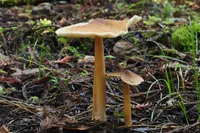
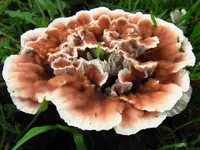
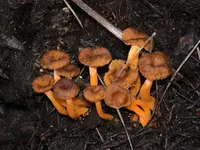
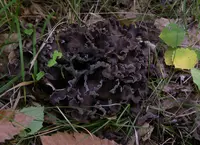
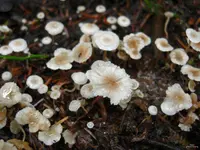
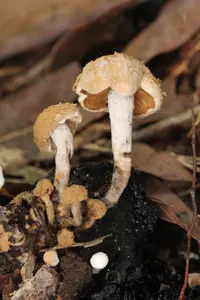
Cerioporus mollis is a wood-decaying bracket fungus, often found on dead or weakened broadleaf trees. It forms soft, cushiony, ear-shaped shelves that can feel rubbery when fresh. Colors range from pale cream to tan or brown, often with a velvety surface. In damp conditions the fruiting bodies stay pliable, then become tougher and darker as they age.

This species occurs mainly in temperate forests of Europe and North America, growing on fallen branches, stumps, and occasionally living trunks. It is not typically grown as an ornamental, and attempts to care for Cerioporus mollis focus on providing consistently moist, shaded, wood-rich conditions that mimic its natural forest habitat.

Main Plant Requirements

Care Difficulty

Moderate Care

Light Preference

Shade

Water Requirements

Keep Soil Moist

Temperature Preference

Cool Climate

Hardiness Zone

Unknown

Soil Texture

Loamy, Silty, Organic-rich

Soil pH

Acidic (5.5–6.5)

Soil Drainage

Moist but well-drained

Fertilization

Minimal (feed rarely)

Get Personalized Care Plan

Scan your plant to receive care tips personalized for your specific plant

Available on iOS and Android

How to Care for the Cerioporus mollis

This wood-inhabiting fungus prefers low to moderate light typical of shaded forest habitats.

  • Aim for bright shade or dappled light with no more than 1–3 hours of weak morning sun filtering through trees.
  • Protect fruiting bodies from direct midday and afternoon sun, which can dry and crack the soft caps, especially in exposed logs.
  • In summer, provide more shade and higher humidity; in autumn and winter, increased cloud cover is usually sufficient to prevent light stress.

This species thrives on consistently damp, decaying wood rather than direct watering of the fruiting bodies.

  • Maintain host logs or stumps in evenly moist conditions, allowing surfaces to dry slightly between rains but avoiding prolonged drying or cracking.
  • Ensure the site drains freely so water does not pool around the wood; standing water promotes anaerobic rot and can limit Cerioporus mollis development.
  • During hot, dry periods, occasional thorough soaking of the surrounding soil or mulch can help keep the wood core moist without saturating the surface.

This fungus is adapted to temperate woodland climates with cool to mild conditions.

  • Optimal development usually occurs around 50–68°F (10–20°C), with fruiting often improving in cool, moist weather.
  • Tissues typically tolerate down to about 23°F (-5°C); hard freezes below this may damage exposed fruiting bodies but the underlying mycelium often survives in protected wood.
  • Heat above 80°F (27°C), especially if dry, can cause rapid desiccation, so provide shade and moisture retention during hot spells to stabilize temperatures.

This bracket fungus does not require managed humidity and tolerates typical outdoor fluctuations.

This wood-decay fungus grows on dead or dying hardwood rather than in mineral soil.

  • For cultivation, mimic a natural log by using dense hardwood sections, such as oak or beech, instead of any potting mix.
  • Keep the hardwood substrate consistently moist but never waterlogged, as standing water quickly leads to anaerobic conditions that suppress fruiting.
  • Maintain slightly acidic to neutral conditions around the substrate (about pH 5.5–7) by avoiding alkaline amendments like lime or concrete contact.
  • Ensure air can move freely around the colonized wood to prevent stagnant, saturated pockets that favor competing molds over Cerioporus mollis.

This species is not well suited to conventional container growing, but colonized hardwood logs can be placed in trays or shallow boxes for observation.

  • Use a shallow, rigid container that supports the log firmly so the fruiting bodies are not disturbed when moving the setup.
  • Drill small side vents in plastic boxes or use mesh-topped trays to allow airflow while keeping the wood from drying too quickly.
  • Elevate the log slightly on bricks or slats within the tray so drainage water can collect below without soaking the entire substrate.

This wood-decaying bracket fungus typically gains all needed nutrients from its host and usually does not benefit from added fertilizer.

As a saprophytic fungus, this species is not managed with conventional pruning and requires no shaping or thinning.

This fungus naturally colonizes dead or decaying wood and is not suited to standard container culture or garden transplanting.

  • If cultivation is attempted, move colonized wood rather than disturbing the fungal tissue itself.
  • Transplant only during mild, stable weather to reduce drying of the substrate.
  • Avoid breaking or cutting fruiting bodies; handle the wood gently to limit mechanical damage.
  • Keep the original moisture conditions as consistent as possible after relocation to reduce stress.

In horticulture, Cerioporus mollis is rarely propagated intentionally and is mainly of ecological or mycological interest.

This wood-inhabiting fungus is generally cold hardy in its natural range and needs no specific winter care from gardeners.

Care Tips

Use fresh substrate

Replace the woody substrate or log after each fruiting cycle, as this fungus quickly exhausts nutrients in dead hardwood and performs best on fresh, uncolonized material.

Optimize log preparation

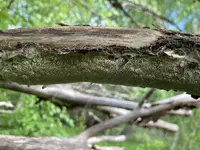
Before inoculation, soak hardwood logs or blocks in clean water for 12–24 hours, then drain well to ensure the wood is fully hydrated but not waterlogged, which supports rapid mycelium establishment.

Encourage clean colonization

Drill inoculation holes in a tight grid pattern, wipe the log surface free of loose bark and debris, and seal holes with food-grade wax to reduce contamination by competing fungi and bacteria.

Manage fruiting moisture

During fruiting, lightly mist the surrounding air and surfaces rather than the brackets directly, since direct wetting can promote bacterial spotting and shorten the life of the fruiting bodies when growing Cerioporus mollis.

Rotate fruiting sites

Install new inoculated logs in slightly different spots each year to avoid buildup of competing fungi and wood-boring insects in one location and to maintain more reliable fruiting over time.

Common Pests and Diseases

Wood-boring beetle larvae

This pest develops inside the fruiting body, leaving winding galleries and exit holes that cause the bracket to become brittle and collapse early. Symptoms include crumbling tissue, fine boring dust, and irregular cavities within the fungus.

Solution

Cut and remove heavily bored brackets to reduce breeding sites, then dispose of them away from the host tree or structure. Maintain lower humidity and good air movement around infected wood, and use fine mesh or physical barriers on stored or display wood to limit adult beetle access if you are caring for Cerioporus mollis in a controlled setting.

Fungal parasitism

This disease is caused by other fungi colonizing the soft brackets, often leading to discoloration, patchy decay, or fuzzy overgrowth on the surface. Symptoms include localized soft, water-soaked areas and competing fungal growths that distort the normal texture of the fruiting body.

Solution

Remove and discard parasitized brackets promptly to limit spread of competitor fungi, especially if monitoring this species for study or ornamental interest. Improve airflow and avoid overhead wetting of substrates to lower surface moisture, which reduces the success of opportunistic fungal invaders.

Slugs and snails

These pests feed on the soft, jelly-like tissue, especially during wet conditions, leaving ragged edges and irregular holes. This pest often leaves slime trails on and around the fruiting bodies.

Solution

Hand-pick slugs and snails during damp evenings or early mornings and relocate them away from the area. Use physical barriers such as copper tape on logs or raised displays, and keep surrounding leaf litter thinner so hiding spots are reduced without disturbing the natural woodland floor more than necessary.

Interesting Facts

Unusual jelly texture

The fruiting bodies have a soft, rubbery to jelly-like consistency when fresh, which is unusual among bracket fungi that are typically tough or woody.

Color-changing brackets

Its brackets are often pale to ochre-brown and can darken and wrinkle as they age or dry, then partially regain softness and paler color when rehydrated by rain.

Preference for dead hardwood

This species typically colonizes dead or dying broadleaf wood, especially ash and beech, contributing to the decomposition of hardwood and nutrient recycling in temperate forests.

FAQs about Cerioporus mollis

This bracket fungus is generally regarded as inedible due to its tough, rubbery texture and lack of culinary value. It is not considered poisonous, but it is not used as a food mushroom.

Grow Healthy Plants with Botan Care

Keep your plants happy and healthy with plant identification, disease detection, and easy care guidance.

Botan plant care app — identify plants on mobile

Explore More Plants