Piggyback Shanklet Care (Collybia cirrhata)

Piggyback Shanklet

About Piggyback Shanklet

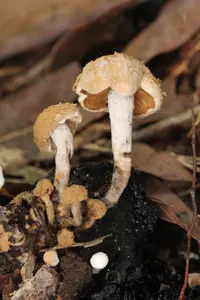
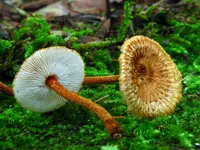
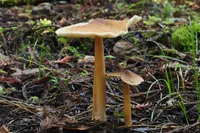
Piggyback shanklet (Collybia cirrhata) is a small saprophytic fungus that grows on old, decaying mushrooms rather than on soil or wood. It forms tiny, pale caps with thin stems that cluster tightly together, often overlooked unless examined closely.

This species occurs mainly in temperate forests of North America and Europe, appearing during cool, moist periods when host mushrooms are decomposing. It depends strongly on the presence of suitable host fungi, which makes it challenging to cultivate or care for Piggyback Shanklet in typical home or garden settings.

In nature it prefers shaded, humid environments with plenty of decaying fungal material, rather than standard potting mixes or garden beds.

Main Plant Requirements

Care Difficulty

Hard Care

Light Preference

Shade

Water Requirements

Keep Soil Moist

Temperature Preference

Cool Climate

Hardiness Zone

Unknown

Soil Texture

Organic-rich, Peaty

Soil pH

Acidic (5.5–6.5)

Soil Drainage

Moist but well-drained

Fertilization

Minimal (feed rarely)

Get Personalized Care Plan

Scan your plant to receive care tips personalized for your specific plant

Available on iOS and Android

How to Care for the Piggyback Shanklet

This small saprobic fungus prefers low to moderate natural light, similar to a shaded forest floor.

  • Provide dappled or filtered light with no more than 1–2 hours of gentle morning sun; avoid direct midday or afternoon sun, which can dry substrates quickly.
  • Site Piggyback Shanklet where it receives bright shade under leaf litter, decaying stems, or low vegetation rather than open, exposed spots.
  • In summer, ensure continuous shade to maintain substrate moisture; in cooler seasons, slightly brighter but still indirect light is acceptable if substrates do not dry out.

This fungus depends on consistently damp, not waterlogged, organic material rather than direct watering of the fruiting bodies.

  • Maintain the substrate (decaying mushrooms, leaf litter, or woody debris) evenly moist; allow only the top 0.5–1 cm to start drying before re-moistening if under management.
  • Ensure excess water can drain away; standing water or swampy conditions promote competing molds and can cause existing Collybia cirrhata clusters to collapse.
  • In hot or windy periods, monitor more frequently for drying, while in cool, humid weather, reduce added moisture and rely more on ambient rainfall or humidity.

This species fruits best in cool to mild conditions typical of forest floors.

  • Aim for 50–70°F (10–21°C) for most fruiting; short peaks up to 75°F (24°C) are usually tolerated if humidity and substrate moisture stay high.
  • Below about 40°F (4°C), activity slows markedly and fruiting may pause, though underlying mycelium can persist and resume when temperatures rise.
  • Prolonged heat above 80°F (27°C) with dry air suppresses fruiting; brief light frosts may damage visible caps but often spare the hidden mycelium in the substrate.

This small saprotrophic fungus prefers consistently moist, high-humidity conditions to fruit well.

  • Aim for 70–90% humidity around fruiting substrates, mimicking damp forest-floor conditions.
  • Dry air leads to shriveling caps, pale, cracked surfaces, and aborted fruiting bodies.
  • Increase humidity by tenting the substrate with perforated plastic, using a humidity dome, or placing trays above moist perlite when caring for Piggyback Shanklet.

Collybia cirrhata fruits on decaying fungal tissue rather than traditional soil, but its substrate mimics very organic, moisture-retentive conditions.

  • Provide a loose, spongy substrate rich in decomposed organic matter, such as well-rotted hardwood chips blended with finely crumbled, decomposing mushrooms.
  • Ensure excess water can drain away while the substrate remains evenly damp; avoid waterlogged, sour-smelling conditions that slow or stop mycelial growth.
  • Maintain a slightly acidic to neutral reaction around pH 5.5–7 by using hardwood-based materials and avoiding lime-heavy amendments.
  • Improve aeration by mixing in coarse wood chips or shredded bark so the mycelium receives oxygen yet does not dry out at the surface.

This species is only moderately suitable for container growing and is best attempted by experienced mushroom growers using dedicated substrates.

  • Use shallow, wide trays so the thin fruiting layer can spread over decomposing host fungi rather than forming deep substrate blocks.
  • Select rigid plastic tubs that retain surface moisture yet allow controlled fanning or venting to prevent stagnant, overly wet air.
  • Elevate containers on racks so drainage holes or gaps can release excess leachate without pooling under the tray and rotting the substrate edges.

Collybia cirrhata is a small saprophytic fungus that typically does not need intentional fertilizing in gardens or containers.

Pruning needs for Collybia cirrhata are minimal and focus on hygiene rather than shaping.

  • Remove spent fruiting bodies as they collapse to limit unwanted spore spread and keep the area tidy.
  • Gently cut or pinch mushrooms at the base using clean scissors if needed for sampling or to reduce clutter.
  • Avoid disturbing the underlying substrate, as the main fungal body (mycelium) remains below the surface.

This fungus is not usually grown in pots, so management focuses on moving or renewing its woody or litter-based substrate rather than classic repotting.

  • Transplant only if the colony is threatened by disturbance or you need to relocate decaying wood or leaf litter it inhabits.
  • Carry pieces of colonized substrate intact, minimizing crumbling to reduce stress on the internal mycelium network.
  • Time any move for cool, moist periods in spring or fall to limit drying of the substrate and mycelium.
  • After relocation, keep the new site evenly moist, shaded, and rich in organic debris to support re-establishment.

Collybia cirrhata is usually allowed to spread naturally, and deliberate propagation is rarely attempted in home settings.

This small woodland fungus is naturally cold hardy in temperate climates and typically needs no special winter care.

Care Tips

Use decomposing hosts

Place the fungus on already decaying, small agaric mushrooms or similar soft fungal remains, since this species completes its life cycle best when fruiting from other dead mushrooms rather than directly from soil or wood.

Moisture microclimate

Create a stable, moist boundary layer by using a high-sided, ventilated container or humidity tent so the tiny fruiting bodies do not dry out between mistings while still getting fresh air.

Gentle air exchange

Provide light but regular air movement with a small fan set on low and not aimed directly at the culture to avoid stagnant air, which favors mold contamination around the delicate clusters.

Targeted sanitation

Remove any larger competing molds or fast-growing fungi with sterile tweezers as soon as they appear, and lightly trim back heavily colonized host tissue to keep the Collybia cirrhata mycelium from being overrun.

Sequential host refresh

Every 2–4 weeks, transfer a small, healthy piece of colonized host tissue onto fresh, partially decomposed mushroom caps to maintain vigor and continuity when growing Piggyback Shanklet in a controlled setup.

Common Pests and Diseases

Mycophagous springtails

These insects feed on fungal tissues and can graze caps and stems, leaving pitted, roughened surfaces on small mushrooms. This pest is most active in consistently moist substrates rich in decaying organic matter.

Solution

Reduce excess surface moisture by improving drainage and airflow around fruiting areas, and avoid overwatering nearby plants or irrigation that keeps the substrate constantly wet. If populations are high, physically remove heavily infested fruiting bodies and use sticky traps or targeted, labeled biological controls in the surrounding substrate, rather than on the mushrooms themselves.

Fungivorous mites

These insects can cluster on caps and stems, scraping tissue and causing fine speckling, deformities, or partial collapse of small fruiting bodies. This pest often builds up where there is thick leaf litter and stable high humidity.

Solution

Gently remove and discard affected clusters of mushrooms and some surrounding litter to lower mite numbers and break their habitat. Improve ventilation at ground level, avoid piling organic debris in one spot, and, in cultivated or monitored settings, use predatory mites as a biological control in the substrate if damage becomes persistent.

Parasitic competing fungi

This disease occurs when other fungi colonize the same substrate, overgrowing the mycelium and suppressing or deforming fruiting of the host. Symptoms include sparse, misshapen, or aborted mushroom clusters and visible patches of different-colored fungal growth in the surrounding material.

Solution

Remove and discard obviously overgrown or contaminated substrate, including any discolored fungal mats and affected fruiting bodies. In managed habitats, refresh the organic layer with clean material, avoid introducing unknown fungal inoculum, and maintain moderate moisture rather than constant saturation to reduce aggressive competitors.

Bacterial blotch

This disease affects mushroom caps, causing water-soaked spots that turn brown and slimy under prolonged surface moisture. Symptoms include rapid softening and collapse of the delicate caps, especially after overhead watering or heavy rainfall with poor drying.

Solution

Limit direct overhead watering onto fruiting areas and encourage faster drying with better air movement across the ground surface. Promptly remove and discard blotched mushrooms to reduce bacterial spread, and in cultivated settings, use clean water sources and avoid handling caps with contaminated tools or hands.

Interesting Facts

Specialist on old mushrooms

This species almost always grows on the decomposing remains of other mushrooms, especially larger agarics such as Mycena or species in the genera Russula and Lactarius, rather than directly on wood or soil.

Tiny but clustered fruiting

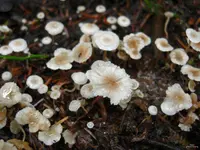
The fruiting bodies are very small, often only a few millimeters across, but they typically appear in dense clusters that can completely cover the old host mushroom cap or stem.

Wide but overlooked distribution

Although considered widespread across temperate regions of North America and Europe, it is rarely recorded because of its minute size and its tendency to be seen only by mycologists examining decaying fungi closely.

Botan icon

Did you know?

Collybia cirrhata is part of a small group of closely related species that specialize in fruiting on other fungi, and molecular studies have shown that this saprobic habit on old mushroom remains evolved within a lineage that otherwise mostly degrades leaf litter and woody debris.

FAQs about Piggyback Shanklet

This fungus is not a typical houseplant and performs best outdoors in cool, damp, shaded environments where decaying mushrooms or organic debris are present. Piggyback Shanklet indoor care is rarely successful because it depends on natural woodland substrates.

Grow Healthy Plants with Botan Care

Keep your plants happy and healthy with plant identification, disease detection, and easy care guidance.

Botan plant care app — identify plants on mobile

Explore More Plants