Wind acclimation
If planting in a windy site, gradually harden off nursery plants for 2–3 weeks by exposing them to increasing wind and light, which reduces transplant shock and encourages sturdier trunk development.

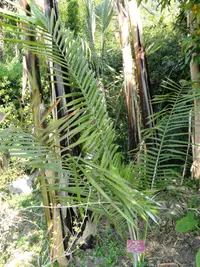
Golden wax palm, Ceroxylon parvifrons, is a slow-growing, feather-leaved palm from cool, high-elevation Andean cloud forests. It naturally forms a slender, upright trunk with a neat crown of arching fronds coated in a distinctive waxy bloom.
This species prefers mild temperatures, steady moisture, and a well-drained, humus-rich soil, which can make it more demanding than common tropical houseplants. With suitable humidity and bright, filtered light, it can adapt to sheltered gardens or large indoor spaces, and understanding how to care for Golden wax palm helps maintain its health over many years.

Care Difficulty
Hard Care

Light Preference
Partial Shade

Water Requirements
Regular Water

Temperature Preference
Cool Climate

Hardiness Zone
8–10

Soil Texture
Loamy, Silty, Organic-rich

Soil pH
Acidic (5.5–6.5), Slightly acidic (6.5–7.0)

Soil Drainage
Moist but well-drained

Fertilization
Minimal (feed rarely)
Scan your plant to receive care tips personalized for your specific plant
Available on iOS and Android
This high-elevation palm needs bright, gentle light that mimics cool mountain conditions for healthy growth.
This species prefers evenly moist, cool, well-drained soil rather than alternating extremes of drought and saturation.
This cool-growing Andean palm prefers mild conditions and does not tolerate strong heat or hard frost.
This cloud-forest palm prefers steady, moderately high humidity to perform well in cultivation.
This species needs a cool, moisture-retentive yet sharply drained mix that mimics its native Andean slopes.
This palm can be grown in containers, especially in cooler or marginal climates where in-ground culture is risky.
Ceroxylon parvifrons grows slowly and needs modest, careful feeding to support healthy foliage without forcing weak growth.
Ceroxylon parvifrons needs only light, selective pruning to stay healthy and tidy.
Transplanting Ceroxylon parvifrons requires planning and gentle handling, as this palm dislikes root disturbance.
Propagation of Ceroxylon parvifrons is slow and specialized, so it is rarely performed by home growers.
This high-elevation palm prefers cool conditions but still needs thoughtful winter care outside mild climates.

Plant Health Check
Not sure what's wrong with your plant? Check your plant's health inside the app.
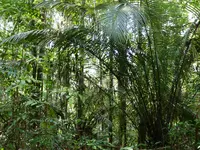
This palm is naturally restricted to cool, humid cloud forests in the northern Andes, often growing between about 2,000–3,000 m where many other palms cannot survive long term.
Unlike its giant relatives, this species remains comparatively small and slender for the genus, with an elegant crown and a trunk typically covered in a pale, waxy bloom that inspired the common name Golden wax palm.
Among Andean wax palms, this species is notable for tolerating relatively low temperatures, which has led to interest in Ceroxylon parvifrons plant care in cooler subtropical and mild temperate gardens.

This species has been assessed as Vulnerable in the wild because its specialized high-elevation cloud forest habitat is fragmented and declining, making long-term conservation of natural populations a concern for Andean ecosystems.
Growth is slow to moderate. Young plants often add only 10–20 cm of trunk per year under good conditions. It can take many years to form a visible trunk and longer to appear tree-like.
Keep your plants happy and healthy with plant identification, disease detection, and easy care guidance.