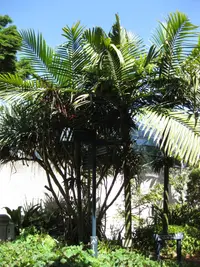
bullanock Care (Kingia australis)

Also known as: grass tree, kingia
bullanock

About bullanock

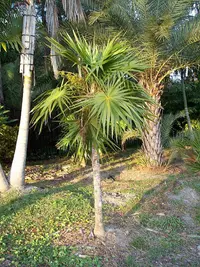
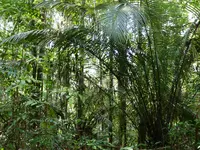
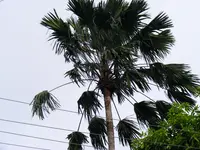
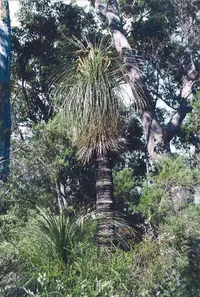
Kingia australis, commonly called bullanock, is a slow-growing, grass-like shrub native to southwestern Australia. It forms a stout, woody base topped with dense tufts of stiff, narrow leaves. Over time, older plants develop a striking, trunk-like stem with a rounded crown that resembles a grass tree, but it belongs to a different plant group. Bullanock is adapted to poor, sandy soils and a dry, fire-prone climate, which makes it very slow to establish in cultivation. It is considered challenging to grow, particularly outside its natural range, due to its sensitivity to disturbance and root damage. Gardeners who want to learn how to care for bullanock should focus on excellent drainage, low humidity, and unamended, mineral-based soil.

Main Plant Requirements

Care Difficulty

Hard Care

Light Preference

Full Sun

Water Requirements

Low Water

Temperature Preference

Warm Climate

Hardiness Zone

10–11

Soil Texture

Sandy, Rocky, Loamy

Soil pH

Slightly acidic (6.5–7.0), Neutral (7.0)

Soil Drainage

Well-drained

Fertilization

Minimal (feed rarely)

Get Personalized Care Plan

Scan your plant to receive care tips personalized for your specific plant

Available on iOS and Android

How to Care for the bullanock

Kingia australis prefers bright, open conditions that mimic its native Australian habitats, an important point when caring for bullanock.

  • Provide full sun for 6–8 hours daily, ideally with direct morning sun and slightly filtered light in harsh mid‑afternoon periods.
  • In very hot, dry climates, give light afternoon shade to prevent leaf scorch and excessive drying of the crown area.
  • In winter or cloudy seasons, maximize exposure by avoiding shade from buildings or trees, as prolonged low light weakens new growth.

Kingia australis is drought-tolerant and prefers infrequent, deep watering once established.

  • Allow soil to dry thoroughly between waterings; in the ground, wait until the top 5–10 cm are dry and surrounding soil feels only slightly damp.
  • Increase watering slightly in hot, dry weather, watching for pale, shriveling foliage as a sign the plant has stayed dry for too long.
  • Ensure very sharp drainage with sandy or gravelly soil; persistent wetness, sour odor, or blackening at the crown indicates damaging overwatering.

This species is adapted to warm, dry climates but can tolerate a modest temperature range when kept well-drained.

  • Aim for active growth in 65–80°F (18–27°C), with good air movement to reduce heat stress and fungal problems.
  • Mature plants may survive brief dips to about 28–30°F (-2 to -1°C), but repeated or hard frosts can damage foliage and crown tissue.
  • In hot spells above 95°F (35°C), protect roots with mulch, avoid reflected heat from walls, and do not disturb the plant during extreme heat events.

Humidity is rarely a limiting factor for Kingia australis, which is adapted to dry, open habitats.

  • Target 30–50% humidity, as this species tolerates typical indoor and outdoor dry air without special measures when caring for bullanock.
  • Watch for humidity stress as browning leaf tips combined with heat and strong wind rather than lush, floppy growth.
  • If air is extremely dry and hot, shelter the plant from hot drafts and provide a gravel tray to slightly buffer moisture around the foliage.

Kingia australis prefers very free-draining, mineral soils that mimic its native, fire-prone habitats.

  • Use a gritty mix such as 50% coarse sand, 25% small gravel or pumice, and 25% low-nutrient composted bark to prevent waterlogging.
  • Maintain slightly acidic to neutral pH around 6.0–7.0, avoiding strongly alkaline mixes that can impair nutrient uptake.
  • Increase aeration by using large-particle components (5–10 mm) and avoiding peat-heavy, compacting substrates that stay wet for long periods.
  • Do not plant in heavy clay or fine, silty mixes, which promote root rot and stunt the slow-growing trunk and root system.

This species can be grown in containers, but it remains a specialist choice that needs careful attention to drainage and stability.

  • Select a deep, heavy container that resists tipping as the tall crown develops on a relatively narrow trunk.
  • Elevate the pot slightly on feet or bricks so drainage holes clear freely and water never pools under the base.
  • Use a rigid, non-flexing pot material so the gritty mix and slow-growing roots are not compressed over time, which would reduce aeration.

Kingia australis grows slowly and needs only modest, careful feeding in cultivation.

  • Use a low-dose, slow-release native plant fertilizer or very dilute balanced NPK (around 1/4 strength) to avoid root burn.
  • Feed once at the start of the warm growing season; this is usually sufficient for the year when caring for bullanock.
  • Apply fertilizer on moist soil and keep granules away from the crown to reduce rot risk.
  • Skip or greatly reduce feeding in winter when growth is minimal.

Kingia australis needs minimal pruning, focused on safety and hygiene rather than shaping.

  • Carry out any work in late winter or early spring, during dry weather to limit infection risk.
  • Remove only dead, diseased, or storm-damaged leaves and old flower stalks, leaving the trunk intact.
  • Use clean, sharp bypass loppers or a pruning saw, disinfected before and after cuts.
  • Avoid heavy structural cuts, as this species does not reshoot well from older trunk tissue.

This species is slow-growing and rarely needs frequent repotting, but careful transplanting is critical.

  • Look for roots circling the pot, poor drainage, or stalled growth to decide when to move the plant.
  • Transplant in late winter to early spring, about every 4–5 years for container-grown plants.
  • Choose a deep, very free-draining mix and shift only 1 pot size up to limit excess moisture around the crown.
  • Handle the sensitive root system gently, keeping the original root ball intact and watering lightly afterward.

Kingia australis is typically propagated from seed and is considered slow and challenging for most home growers.

  • Collect fresh, viable seed and sow in late winter to spring for the best germination response.
  • Use a very free-draining, low-nutrient mix and keep it just slightly moist, never waterlogged.
  • Provide bright light, good airflow, and stable warmth around 68–75°F to support slow, steady germination.
  • Avoid division or cuttings, as the single woody trunk and root system do not tolerate major disturbance.

Mature Kingia australis is fairly tolerant of light frost but benefits from simple winter precautions in colder areas.

  • In regions below about 25°F, site plants in a sheltered position away from cold winds.
  • Apply a 5–8 cm layer of coarse mulch around the root zone, keeping it clear of the crown.
  • For young or potted plants, move containers under cover or into a bright, frost-free space during hard freezes.

Care Tips

Long‑term containering

If grown in a large container, use a squat, heavy pot and top-dress with fresh, very coarse, low-organic mix every 2–3 years instead of repotting, as disturbing the root system can severely slow growth.

Fire‑free rejuvenation

To mimic the ecological effect of mild fire without using actual flames, carefully remove accumulated dead leaves and old leaf bases from around the crown every few years to improve air flow and reduce fungal pressure.

Root‑zone protection

Maintain a wide, shallow ring of coarse mineral mulch (gravel, scoria, or decomposed granite) 10–15 cm deep around the plant to keep the root zone cool, prevent compaction, and reduce weed competition without trapping excess moisture against the crown.

Weed and grass exclusion

Keep turf grass and vigorous weeds at least 60–90 cm away from the base, cutting rather than pulling near the crown so the fibrous roots are not disturbed.

Slow acclimation outdoors

When moving a nursery plant to an exposed, sunny site, harden it off over 3–4 weeks by gradually increasing sun and wind exposure, which greatly reduces transplant shock and improves long‑term success when growing bullanock.

Common Pests and Diseases

Scale insects

This pest sometimes colonizes the fibrous leaf bases and older foliage, sucking sap and weakening growth over time. Symptoms include sticky honeydew, sooty mold, and small dome-shaped bumps on leaves or stems.

Solution

Physically remove scales on small plants with a soft brush or cloth dipped in diluted alcohol, then rinse with water. For larger clumps, use a horticultural oil or insecticidal soap thoroughly directed into the leaf bases, and repeat applications at 7–14 day intervals while monitoring new growth closely as part of Kingia australis plant care.

Mealybugs

These insects shelter in leaf axils and the fibrous crown, feeding on plant sap and excreting honeydew that can lead to sooty mold. Symptoms include white cottony masses, distorted new growth, and a general decline in vigor.

Solution

Isolate affected plants, then target the cottony clusters with cotton swabs dipped in diluted alcohol and follow with a thorough spray of insecticidal soap into crevices. Improve light, avoid excess nitrogen fertilization, and inspect regularly so small populations are removed before they establish deep in the crown.

Phytophthora crown rot

This disease affects plants in poorly drained or waterlogged soils, attacking the basal crown and underground tissues. Symptoms include yellowing and collapse of leaves from the center, browning at the crown, and eventual plant death.

Solution

Remove and destroy severely affected plants, including as much of the infected crown and roots as possible. For prevention, plant in very well-drained, low-organic soils, avoid overhead and frequent watering, and in high-risk areas use raised beds or coarse, sandy mixes to reduce standing water and pathogen activity.

Leaf spot

This disease causes small brown or black lesions on the rigid leaves, sometimes with a pale halo or dry, papery centers. Symptoms include cosmetic spotting that can expand under humid, stagnant conditions, particularly on older foliage.

Solution

Prune and discard the worst-affected leaves to reduce inoculum, and increase air movement around the plant by spacing and keeping surrounding vegetation thinned. Avoid wetting foliage, water at the base in the morning, and if spots progress in damp weather apply a labeled copper-based or other suitable fungicide according to directions.

Interesting Facts

Ancient grass-like lineage

Kingia australis is not a true grass or palm but belongs to its own ancient lineage within the Asparagaceae family, with a tufted crown of long, narrow leaves emerging from the top of a woody trunk-like stem.

Extremely slow growth

This species adds height very slowly, often only a few millimeters per year, so older individuals with tall trunks are likely to be many centuries old.

Fire-dependent flowering

Flowering is strongly associated with bushfire; the plant typically produces its tall, branched flower spikes only after fire has passed through, a strategy that helps synchronize flowering and seed release in its native habitat.

Botan icon

Did you know?

Some individual Kingia australis in southwest Western Australia are estimated, based on growth rates and trunk height, to be well over 600 years old, making them among the longest-lived monocotyledonous plants known.

FAQs about bullanock

This species is extremely slow-growing. Seedlings may take many years to show a noticeable trunk, and several decades to develop the classic blackened trunk and foliage crown, even under consistent, suitable conditions.

Grow Healthy Plants with Botan Care

Keep your plants happy and healthy with plant identification, disease detection, and easy care guidance.

Botan plant care app — identify plants on mobile

Explore More Plants