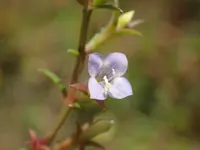
Chamaecostus lanceolatus Care

About Chamaecostus lanceolatus

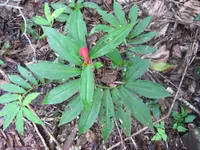
Chamaecostus lanceolatus is a tropical, rhizomatous perennial from South America, often found in moist forest edges and along shaded stream banks. It forms upright clumps of narrow, lance-shaped leaves arranged in graceful spirals around a cane-like stem.

The plant is grown mainly for its striking foliage and showy, tubular flowers, which attract pollinators and add an exotic look in warm gardens or indoor displays. It is moderately easy to grow when its need for warmth, steady moisture, and humus-rich, free-draining soil is met.

Understanding how to care for Chamaecostus lanceolatus helps prevent stress, as it dislikes cold, dry air, and prolonged drought more than many common houseplants.

Main Plant Requirements

Care Difficulty

Moderate Care

Light Preference

Partial Shade

Water Requirements

Keep Soil Moist

Temperature Preference

Tropical / Frost Sensitive

Hardiness Zone

10–11

Soil Texture

Loamy, Organic-rich

Soil pH

Acidic (5.5–6.5), Slightly acidic (6.5–7.0)

Soil Drainage

Moist but well-drained

Fertilization

Light (every 4–6 weeks)

Get Personalized Care Plan

Scan your plant to receive care tips personalized for your specific plant

Available on iOS and Android

How to Care for the Chamaecostus lanceolatus

Provide bright, warm-season light similar to an open, lightly shaded tropical edge.

  • Give 4–6 hours of gentle sun, ideally morning or late-afternoon, with dappled or filtered light at midday to protect leaves from scorch.
  • Plant in partial shade outdoors, such as on the east or north side of buildings or under high tree canopies, avoiding harsh mid-afternoon sun in hot climates.
  • In summer, watch for pale, scorched patches from too much sun and lanky, leaning stems from too little light and adjust exposure gradually.

Aim for steadily moist but never waterlogged soil that mimics a warm, rainy habitat.

  • Water when the top 2–3 cm of soil feel barely dry, allowing moisture to reach the deeper root zone without leaving standing water.
  • Use rich, well-drained soil; soggy conditions cause yellowing, soft stems, and root rot, while crisp, curling leaves and slow growth suggest underwatering.
  • In cool or dormant periods, reduce watering so the surface dries a bit deeper, especially for established Chamaecostus lanceolatus clumps in the ground.

Provide consistently warm conditions with protection from cold snaps and frost.

  • Ideal growing temperatures are 70–85°F (21–29°C), with the warmest, most vigorous growth in humid, sheltered sites.
  • Avoid temperatures below 55°F (13°C); prolonged exposure under 50°F (10°C) can damage foliage, and frost may kill aboveground stems.
  • In hot spells above 90°F (32°C), give extra shade and soil moisture, while in cooler seasons growth slows and top growth may thin or rest.

This species prefers fairly humid air and reacts quickly to prolonged dryness.

  • Aim for 50–70% humidity, as drier air slows growth and can cause leaf edges to brown.
  • Watch for curling leaves, crisp tips, and stalled shoots as signs humidity is too low.
  • Increase humidity with a nearby humidifier, grouped plants, or a pebble tray rather than frequent misting.

This plant prefers loose, moisture-retentive but fast-draining soil rich in organic matter.

  • Use a mix of roughly 50% peat or coco coir, 30–40% compost, and 10–20% perlite or pine bark to balance moisture and aeration.
  • Aim for slightly acidic to neutral pH around 6.0–7.0 for steady nutrient availability.
  • Ensure water drains through freely within seconds; soggy, waterlogged containers greatly increase rhizome-rot risk for Chamaecostus lanceolatus.
  • Improve heavy or compact mixes by adding coarse perlite or fine bark chips rather than sand, which can reduce pore space.

This species suits container growing when the pot supports its clumping, rhizomatous root system.

  • Choose a wide, relatively shallow container so rhizomes can spread horizontally without crowding deeply.
  • Select a heavier material like ceramic or clay outdoors to keep tall leafy stems from toppling in wind.
  • Raise the pot slightly on feet or bricks so drainage holes stay clear and excess water exits quickly after rain or watering.

This species responds well to modest feeding during its active growing season.

  • Use a balanced liquid fertilizer (for example 10-10-10 or 20-20-20) diluted to 1/2–1/4 strength for Chamaecostus lanceolatus.
  • Apply every 4–6 weeks in spring and summer when growth is active.
  • Skip or greatly reduce feeding in fall and winter when growth slows.
  • Compost or a slow-release fertilizer can be mixed lightly into the topsoil at the start of the season.

Pruning is mainly used to maintain a tidy clump and support healthy flowering.

  • Cut back dead, damaged, or weak stems at the base in late winter or early spring before new shoots emerge.
  • Remove crowded or crossing shoots to improve air movement and light penetration.
  • Shear back spent flowering stems to encourage a fresher flush of foliage and a neater shape.
  • Use clean, sharp hand pruners and disinfect blades when working on multiple plants.

Container-grown plants benefit from occasional repotting to maintain vigor and root health.

  • Check for roots circling the pot, emerging from drainage holes, or noticeably slow growth as signs it needs a larger container.
  • Plan to repot every 2–3 years in spring, moving up only 2–5 cm in pot diameter with a well-drained, rich mix.
  • Water thoroughly before and after repotting, and gently loosen circling roots to reduce transplant stress.
  • Keep the plant shaded and evenly moist for 1–2 weeks after moving to help roots re-establish.

This plant is commonly propagated by division and stem cuttings.

  • Divide clumps in spring, separating healthy rhizomes with at least 1–2 shoots each and replanting them at the same depth.
  • Take 8–12 cm semi-soft stem cuttings in late spring or early summer, removing lower leaves.
  • Place cuttings in a moist, free-draining medium at 70–80°F with high humidity and bright, indirect light.
  • Seeds are less common but need warmth, constant moisture, and a sterile mix to germinate reliably.

This tropical species is sensitive to frost and needs protection in cool climates.

  • In regions below USDA zone 10, grow Chamaecostus lanceolatus in containers that can be moved indoors before nights drop below 50°F.
  • Indoors, keep it in bright, indirect light and slightly drier soil while growth slows.
  • In mild climates, mulch the root zone with 5–8 cm of organic material to buffer temperature swings.

Care Tips

Refresh Rhizome Crowns

Every 2–3 years, lift the clump in late spring, trim away old, woody rhizome sections, and replant only the firm, actively budding pieces to keep the plant vigorous and flowering well.

Use Low, Discreet Support

In windy or exposed sites, insert short, semicircular plant supports or low bamboo hoops early in the season so the arching stems can lean on them without breaking or flopping.

Edge To Contain Spread

Install a shallow root barrier or edging 15–20 cm deep around beds to keep expanding rhizomes from creeping into nearby plantings or lawn areas over several seasons.

Mulch For Root Protection

Apply a 5–8 cm layer of fine bark or composted mulch over the root zone, keeping it off the stems, to buffer soil temperature and protect rhizomes from light frost or brief cold spells.

Divide For Propagation

When dividing mature clumps, cut rhizomes into sections with at least 2–3 healthy buds, dust cuts with a sulfur or cinnamon-based fungicide, and pot them up under bright, warm conditions to reliably grow Chamaecostus lanceolatus from divisions.

Common Pests and Diseases

Spider mites

This pest thrives on the undersides of the narrow leaves, especially in warm, dry indoor air, causing fine stippling and dull, bronzed foliage. Symptoms include thin webbing between leaves and along stems, and gradual leaf drop if populations are high.

Solution

Rinse foliage thoroughly with a strong but gentle stream of water, focusing on leaf undersides, and repeat every few days for 2–3 weeks. Increase humidity around the plant, isolate it from others, and apply a horticultural soap or neem oil spray labeled for spider mites, ensuring full coverage of both leaf surfaces.

Mealybugs

These insects hide in leaf bases and along the spiral stems, appearing as white, cottony clusters and excreting sticky honeydew on the foliage. Symptoms include distorted new growth, yellowing leaves, and sooty mold developing on the honeydew in dense plantings.

Solution

Remove visible insects with a cotton swab dipped in 70% isopropyl alcohol and prune heavily infested leaf bases. Follow up with repeated applications of insecticidal soap or neem oil every 7–10 days, and inspect the tight leaf whorls closely as part of regular Chamaecostus lanceolatus care instructions.

Scale insects

These insects attach firmly to stems and leaf midribs, forming small, tan to brown bumps that do not move when touched. Symptoms include sticky honeydew, sooty mold, and gradual decline in vigor as sap is removed from the succulent stems.

Solution

Gently scrape or rub off individual scales with a fingernail or soft cloth, then treat the plant with a horticultural oil spray to smother remaining juveniles. Repeat treatment after 7–14 days and keep the plant separated from others until no new scales appear.

Leaf spot

This disease causes small, water-soaked lesions on leaves that enlarge into brown spots with yellow halos, often starting on older foliage near the plant base. Symptoms include premature leaf yellowing and drop, especially in dense clumps with poor air movement or frequent overhead watering.

Solution

Remove and discard affected leaves, avoid wetting foliage, and water at the soil level in the morning so leaves dry quickly. Improve airflow by thinning crowded stems and, if needed, use a copper-based fungicide labeled for ornamental foliage plants, following the product directions carefully.

Bacterial soft rot

This disease affects the fleshy rhizomes and lower stems, leading to soft, water-soaked tissue with a foul odor and rapid collapse of shoots. Symptoms include sudden wilting despite moist soil, stem base discoloration, and mushy rhizome sections when inspected.

Solution

Uproot affected clumps, cut away all soft, discolored tissue, and discard severely infected sections rather than composting them. Replant only firm, healthy rhizome pieces in fresh, well-draining medium, avoid waterlogged conditions, and sanitize tools and pots with a 10% bleach solution before reuse.

Interesting Facts

Spiral ginger relative

This species belongs to the Costaceae family, closely related to the ornamental spiral gingers, and forms upright, cane-like stems with leaves arranged in a clear spiral along the stem.

Seasonal growth rhythm

In its native range in eastern Brazil, it shows a marked seasonal rhythm, with most vegetative growth and flowering aligned to the warm, wet season and a resting phase during cooler or drier periods.

Pollinator-oriented flowers

The tubular flowers, typically orange to reddish, are structured to favor pollination by hummingbirds, which are attracted to the flower color, shape, and nectar rewards.

Botan icon

Did you know?

In parts of its native Brazilian range, this species often colonizes humid forest edges and stream margins, forming dense clumps that help stabilize soil and create shaded microhabitats for small invertebrates and seedlings of other plants.

FAQs about Chamaecostus lanceolatus

Poor flowering usually comes from low light, weak plants, or nutrient imbalance. Provide brighter conditions, a balanced fertilizer during active growth, and avoid heavy pruning of new shoots, since flowers form on the current season’s canes.

Grow Healthy Plants with Botan Care

Keep your plants happy and healthy with plant identification, disease detection, and easy care guidance.


Botan plant care app — identify plants on mobile

Explore More Plants