hapu'u Care (Cibotium glaucum)

Also known as: hāpu‘u pulu, Hawaiian Tree Fern, Tree Fern
hapu'u

About hapu'u

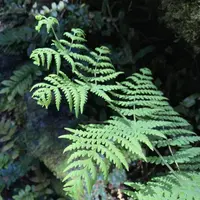
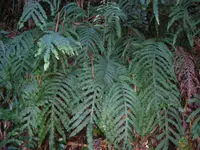
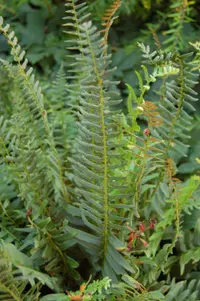
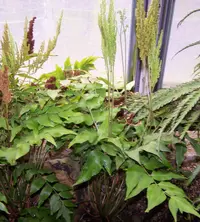
Hapu'u (Cibotium glaucum) is a large tree fern native to the wet forests of Hawaii. It forms a trunk-like, fibrous base topped with a wide crown of arching fronds.

In the ground, it can become a striking landscape feature, while in containers it stays smaller but still needs space for its spreading fronds. The plant prefers cool to mild temperatures, constant moisture, and shelter from strong sun and wind.

Its need for high humidity, evenly moist soil, and protection from drying air makes it moderately challenging for beginners. Understanding how to care for hapu'u is important before planting it indoors or outdoors in drier climates.

Main Plant Requirements

Care Difficulty

Hard Care

Light Preference

Partial Shade

Water Requirements

Keep Soil Moist

Temperature Preference

Tropical / Frost Sensitive

Hardiness Zone

11–12

Soil Texture

Loamy, Peaty, Organic-rich

Soil pH

Strongly acidic (4.5–5.5), Acidic (5.5–6.5)

Soil Drainage

Moist but well-drained

Fertilization

Light (every 4–6 weeks)

Get Personalized Care Plan

Scan your plant to receive care tips personalized for your specific plant

Available on iOS and Android

How to Care for the hapu'u

This tree fern prefers bright, filtered light that mimics a moist forest understory.

  • Provide 2–4 hours of gentle morning sun with bright dappled or filtered shade the rest of the day; avoid harsh midday and afternoon sun.
  • Tolerates bright open shade and high canopy shade; foliage becomes sparse and fronds elongate if light is too low for many weeks.
  • For hapu'u grown outdoors, adjust seasonally: give more exposure in weak winter sun, and provide shade cloth or move under taller plants in strong summer sun.

This fern needs consistently moist but not waterlogged soil to maintain healthy fronds.

  • Water whenever the top 2–3 cm of soil feel barely dry, aiming to keep the root zone and trunk core evenly damp, especially in active growth.
  • Use deep, slow watering that soaks the soil profile, then allow excess to drain freely; avoid standing water, which encourages root and trunk rot.
  • In hot, dry weather increase frequency and monitor for limp, browning frond tips; reduce slightly in cool seasons but never allow Cibotium glaucum to dry out completely.

This species thrives in warm, frost-free conditions typical of low to mid-elevation tropical forests.

  • Aim for 65–80°F (18–27°C) for best growth; sustained temperatures in this range support continuous frond production and trunk development.
  • Protect from cold below 45°F (7°C); brief dips to 40°F (4°C) may be survived, but freezing temperatures can kill the crown and young fronds.
  • In hot spells above 85–90°F (29–32°C), increase shade and humidity and ensure soil does not dry out, as heat stress quickly scorches tender foliage.

This tree fern needs consistently high humidity to maintain healthy fronds and new fiddleheads.

  • Aim for 60–80% humidity; prolonged levels below 50% cause stress.
  • Dry air leads to crisping tips, browning edges, and slowed frond unfolding in hapu'u.
  • Increase humidity with daily misting, pebble trays, grouped plants, or a humidifier placed nearby.

This species requires a loose, organic-rich, evenly moist but sharply draining substrate.

  • Use a mix of 50–70% fine bark or coco coir with compost and a smaller portion of perlite for aeration.
  • Target slightly acidic soil, around pH 5.5–6.5, to support nutrient uptake and root activity in Cibotium glaucum.
  • Ensure the mix feels springy, not compact; incorporate chunky materials like bark to keep air pockets around roots.
  • Avoid heavy clay, pure peat, or any mix that stays soggy or forms a dense, sticky mass after watering.

This fern can be grown successfully in large containers when its size and moisture needs are planned for carefully.

  • Choose a deep, wide, and heavy container to anchor the top-heavy crown and prevent tipping in wind.
  • Select a thick-walled plastic or glazed pot to reduce rapid drying while still draining freely from several holes.
  • Raise the pot on feet or blocks so water exits quickly and does not pool under the base, which reduces crown rot risk.

Cibotium glaucum benefits from light, consistent feeding during active growth but is sensitive to excess salts.

  • Use a balanced, diluted liquid fertilizer (for example 10-10-10 at 1/4–1/2 strength) every 4–6 weeks in spring and summer.
  • As an alternative, apply a thin layer of well-aged compost or a gentle slow-release fern fertilizer at the start of the growing season.
  • Rinse the potting mix with plain water every few months to reduce salt buildup and avoid root burn in hapu'u.
  • Stop feeding in fall and winter, resuming only when new fronds emerge and growth is clearly active.

Pruning for Cibotium glaucum focuses on hygiene and safety rather than shaping.

  • Carry out light pruning through the year, with main clean-up in late winter or early spring before vigorous new growth starts.
  • Remove dead, yellowing, diseased, or badly damaged fronds at the base using sharp, clean pruners or a pruning saw for thick stalks.
  • Thin out badly crowded, crossing fronds to improve air flow and light penetration without exposing the trunk suddenly.
  • Disinfect tools before and after use to limit disease spread and avoid cutting into healthy tissue unnecessarily.

Container-grown plants appreciate careful, infrequent repotting, while garden specimens resent frequent disturbance.

  • Check for roots circling the pot, pushing up from drainage holes, or clear slowing of growth as signs a move is needed.
  • Plan repotting or transplanting in late spring when conditions are warm and stable, usually every 3–5 years for potted plants.
  • Shift to a container only 1 size larger using a loose, moisture-retentive, slightly acidic mix, keeping the root ball as intact as possible.
  • Water thoroughly after moving, shade from strong sun for 1–2 weeks, and maintain even moisture to limit transplant shock.

Propagation of Cibotium glaucum is possible but slow and usually handled by experienced growers or nurseries.

  • Spore propagation is standard: collect mature brown spores from the underside of fronds in late summer.
  • Sow spores on sterilized, peat-based medium kept constantly moist, covered, and warm at 70–75°F with bright, indirect light.
  • Allow the green prothalli (gametophyte stage) to develop, then keep humidity very high so tiny sporophytes can form and establish.
  • Division of trunks is risky, often damaging the plant, and is generally avoided for home growers.

This tropical tree fern is not frost hardy and needs thoughtful winter care in most temperate regions.

  • In areas below 40–45°F, grow in large containers so plants can be moved indoors or to a heated greenhouse for winter.
  • Maintain indoor temperatures around 60–75°F with high humidity and bright, indirect light to prevent frond loss.
  • For in-ground plants in mild coastal climates, mulch the root zone with 10–15 cm of coarse organic material to buffer brief cool spells.
  • Avoid cold, drying winds and sudden temperature drops by using windbreaks or temporary covers during short cool events.

Care Tips

Secure Trunk Support

Anchor the developing trunk to a sturdy stake or post using soft, wide ties so the heavy fronds cannot topple or twist the root ball in windy or exposed positions.


Build Moist Root Zone

Top-dress around the base with a 5–8 cm layer of fine bark, fern fiber, or composted leaf mold to keep the shallow roots evenly cool and moist while also suppressing weeds.

Protect Emerging Croziers

Shield new fiddleheads from direct overhead spray and strong drafts by watering at soil level and using a temporary windbreak, since mechanical damage at this stage can deform entire fronds.

Seasonal Pot Rotation

If grown in a container, rotate the pot 90° every 2–3 weeks during active growth so fronds develop evenly and the crown does not lean permanently toward the brightest side.

Monitor Frond Load

Periodically thin out the oldest, most shaded fronds at the back of the crown to reduce mechanical stress on the trunk and improve air flow, which supports healthier new growth when growing hapu'u.

Common Pests and Diseases

Scale insects

This pest attaches firmly to the fronds and trunk, sucking sap and causing yellowing, stunted fronds, and sticky honeydew that can lead to sooty mold. Infestations are often seen along the fuzzy trunk and frond midribs, where the insects are partially hidden by hairs.

Solution

Prune and discard heavily infested fronds, then wipe or gently scrub accessible areas with a soft cloth or brush dipped in insecticidal soap or a dilute alcohol solution, testing a small area first. Repeat treatments every 7–10 days until new growth emerges clean, and keep the plant in good vigor with stable moisture to reduce stress while caring for hapu'u.

Mealybugs

These insects appear as white, cottony clusters in frond bases and along the hairy trunk, feeding on sap and weakening new growth. Symptoms include distorted young fronds, sticky residue, and occasional black sooty mold on surfaces below the plant.

Solution

Physically remove clusters with a cotton swab dipped in isopropyl alcohol, then wash fronds gently with lukewarm water and insecticidal soap, avoiding drenching the crown. Inspect hidden areas weekly and repeat local spot treatments until no new insects appear, and isolate the plant from others during control efforts if grown indoors or in a greenhouse.

Fern aphids

These insects colonize the undersides of soft new fronds and rachises, extracting sap and causing curling, puckering, or pale patches on delicate foliage. Honeydew and attendant ants may be visible on or around the plant in humid, sheltered fern collections.

Solution

Rinse the undersides of fronds thoroughly with a firm but gentle stream of water, then apply an insecticidal soap or neem-based spray to young fronds, repeating every 5–7 days until populations are suppressed. Encourage natural predators outdoors by avoiding broad-spectrum insecticides nearby, and reduce excess nitrogen fertilization that promotes overly soft, aphid-prone growth.

Rhizoctonia crown rot

This disease affects the crown and upper roots in overly wet, poorly drained media, leading to wilting fronds, collapse from the center, and brown, sunken tissue at the base. Symptoms include a foul smell and discolored, mushy tissues when the hairy trunk base is inspected below the soil surface.

Solution

Remove and discard the plant if crown tissue is extensively rotted, as recovery is rare once the growing point is destroyed. For early cases, cut away all affected tissue with sterile tools, replant in a coarse, well-drained, humus-rich medium, keep watering light but consistent, and avoid water collecting in the crown, especially in cool conditions.

Bacterial leaf spot

This disease causes water-soaked, translucent spots on fronds that later turn brown with irregular edges, often starting on older fronds in warm, humid, low-airflow conditions. Symptoms include coalescing lesions that can cause parts of the frond to die back prematurely.

Solution

Remove and discard affected frond sections promptly, cutting well into healthy tissue and sterilizing tools between cuts. Improve air circulation, avoid overhead watering, keep fronds dry during the cooler parts of the day, and if needed use a labeled copper-based bactericide according to directions, focusing on protecting new, uninfected growth.

Interesting Facts

Hawaiian tree fern

This species is a large Hawaiian tree fern native to wet forests on the islands of Hawai‘i, Maui, Moloka‘i, and Kaua‘i, where it often dominates the understory with its arching fronds.

Woolly trunk scales

The trunk and frond bases are covered in soft, wool-like golden to reddish hairs and scales, which help protect young tissues from moisture loss and herbivores.

Cloud-forest specialist

In the wild, this fern typically grows in high-rainfall, cloud-forest environments on volcanic slopes, relying on consistently moist, cool, and humid conditions to thrive.

Botan icon

Did you know?

In Hawaiian culture, the fibrous pith of this fern’s trunk, known as pulu, was historically harvested and widely used as a stuffing material for pillows and mattresses, leading to heavy exploitation of wild populations in the 19th century.

FAQs about hapu'u

Growth is moderately fast in warm, humid, frost-free climates. Young plants may add 15–60 cm of trunk per year if moisture and organic matter stay consistent. Cooler or drier conditions slow growth noticeably, especially during winter months.

Grow Healthy Plants with Botan Care

Keep your plants happy and healthy with plant identification, disease detection, and easy care guidance.

Botan plant care app — identify plants on mobile

Explore More Plants