


Shallow pot choice
Use a wide, shallow pot or tray so the creeping rhizomes can spread horizontally, and top-dress with fine bark or leaf mold each year instead of repotting deeply.

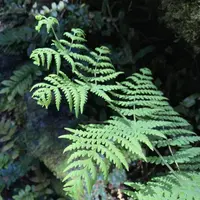
Batwing fern (Histiopteris incisa) is a terrestrial fern known for its broad, deeply cut fronds that resemble outstretched wings. It forms loose, spreading clumps rather than tight rosettes. This species occurs naturally in moist forests and along stream banks in warm-temperate to tropical regions of the Southern Hemisphere. It often grows in humus-rich soils with consistent moisture and good drainage. Batwing fern prefers cool to mild conditions, steady moisture, and shelter from harsh sun, which influences how to care for batwing fern successfully indoors or in shaded outdoor sites.

Care Difficulty
Moderate Care

Light Preference
Partial Shade

Water Requirements
Keep Soil Moist

Temperature Preference
Warm Climate

Hardiness Zone
9–11

Soil Texture
Loamy, Silty, Organic-rich

Soil pH
Acidic (5.5–6.5), Slightly acidic (6.5–7.0)

Soil Drainage
Moist but well-drained

Fertilization
Minimal (feed rarely)
Scan your plant to receive care tips personalized for your specific plant
Available on iOS and Android
This fern prefers soft, filtered light that mimics a forest understory.
This species needs consistently moist but not waterlogged soil around its roots.
This fern grows best in mild, frost-free conditions typical of sheltered woodland sites.
This fern needs consistently moist air to maintain healthy fronds.
Histiopteris incisa prefers a loose, moist, organic-rich medium that drains freely but never dries out completely.
This species can adapt to container growing if moisture and stability are managed carefully.
This fern has modest nutrient needs, so focus on light, consistent feeding rather than heavy fertilization.
Pruning Histiopteris incisa is mainly hygienic, helping maintain a tidy clump and healthy new fronds.
This fern is more often grown in the ground, but container plants or nursery stock may need careful transplanting.
Propagation of Histiopteris incisa is possible but most practical for patient growers or nursery production.
This fern prefers mild, frost-free conditions and benefits from some protection in colder climates.

Plant Health Check
Not sure what's wrong with your plant? Check your plant's health inside the app.
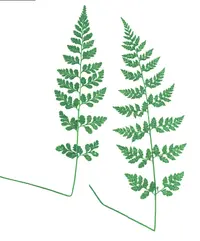
This fern has repeatedly forked, triangular fronds with broad, wing-like lobes that give rise to the common name batwing fern, and the fronds can form loose, spreading colonies in suitable moist habitats.
Unlike many ferns with separate round sori, this species bears its spore-producing sori in a nearly continuous line just inside the leaf margin, protected by the reflexed edge of the frond acting as a false indusium (a protective flap).
In parts of its range, this fern often colonizes open, disturbed, or trackside areas with consistently moist soil, indicating a tolerance for altered habitats compared to many shade-specialist forest ferns.

In regions where it grows abundantly, the dense, spreading rhizomes and ground-covering fronds of this species can form extensive mats that help stabilize soil and reduce erosion on moist slopes and stream banks.
This species is a true fern and does not bloom or produce flowers. Instead, it forms spores in small structures called sori on the undersides of fertile fronds, which serve as its reproductive structures.
Keep your plants happy and healthy with plant identification, disease detection, and easy care guidance.

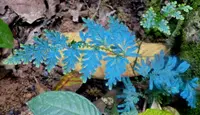
Peacock Fern
Selaginella willdenowii
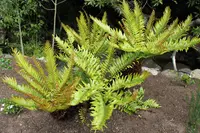
Mountain Deerfern
Blechnum tabulare
 POPULAR
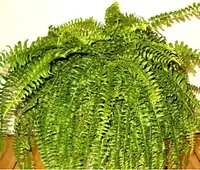
Southern Sword Fern
Nephrolepis exaltata
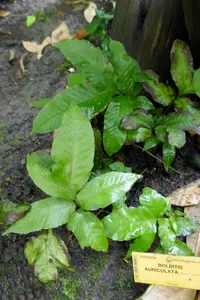
Bolbitis auriculata
Bolbitis auriculata
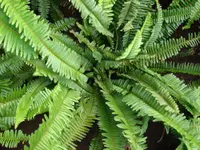
Tuberous sword fern
Nephrolepis cordifolia
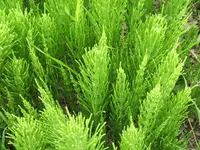
field horsetail
Equisetum arvense
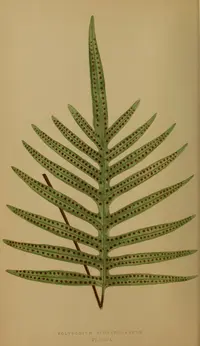
false golden polypody
Phlebodium pseudoaureum
lowland bladderfern
Cystopteris protrusa