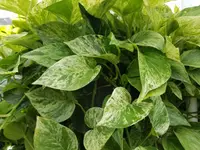
sorrelvine Care (Cissus trifoliata)

Also known as: possum grape, cowitch, Marine Ivy, Ivy Treebane, Marinevine, Cow-itch Vine
sorrelvine

About sorrelvine

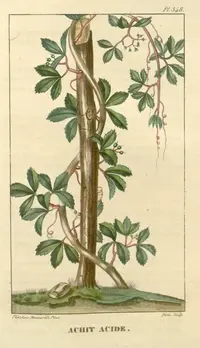
Sorrelvine, Cissus trifoliata, is a vigorous perennial vine in the grape family. It has three-part leaves, tendrils, and small clusters of dark berries that attract attention in wild areas. Native to the southern United States, Mexico, and parts of Central and South America, it often grows in open woods, roadsides, and disturbed sites.

This plant spreads quickly and can become weedy in mild climates. It tolerates heat, drought, and poor soils, which makes it resilient but harder to control in gardens. Those who want to care for sorrelvine successfully should allow space for its climbing habit and provide at least moderately well-drained soil and good light.

Main Plant Requirements

Care Difficulty

Easy Care

Light Preference

Full Sun

Water Requirements

Low Water

Temperature Preference

Warm Climate

Hardiness Zone

8–11

Soil Texture

Sandy, Loamy, Rocky

Soil pH

Acidic (5.5–6.5), Slightly acidic (6.5–7.0)

Soil Drainage

Well-drained

Fertilization

Minimal (feed rarely)

Get Personalized Care Plan

Scan your plant to receive care tips personalized for your specific plant

Available on iOS and Android

How to Care for the sorrelvine

Cissus trifoliata thrives in bright outdoor exposure with some protection from intense midday sun.

  • Provide 4–6 hours of direct morning sun with light afternoon shade, or bright filtered light all day, especially in hotter regions.
  • Plant where it receives at least 6 hours of total daylight; too little light leads to weak, elongated stems and sparse foliage on sorrelvine.
  • In hot summers, protect from harsh afternoon sun to prevent leaf scorch; in cooler months, slightly more direct sun supports stronger growth.

Cissus trifoliata prefers moderately moist, well-drained soil that dries slightly between waterings.

  • Water when the top 3–5 cm of soil feels dry, applying a deep soak that reaches the root zone rather than frequent light sprinkling.
  • Use soil with good drainage and avoid sites where water stands for more than a few hours, since persistent saturation promotes root rot and leaf yellowing.
  • In hot, active growth periods, expect faster drying and more frequent watering; in cooler seasons, slow down watering if stems soften but soil remains damp.

This vine grows best in warm, frost-free conditions but tolerates a fair range of outdoor temperatures.

  • Aim for 70–85°F (21–29°C) during active growth, which supports steady vine extension and leaf production.
  • Protect from temperatures below 30°F (-1°C); light frost may burn foliage, while hard freezes can kill stems to the ground or the entire plant.
  • In summer, it handles heat up to about 95°F (35°C) if soil moisture is adequate; provide mulch and some shade during extreme heat waves.

This species tolerates typical indoor humidity but performs best with slightly moist air.

  • Aim for 40–60% humidity; it usually handles brief drops lower without damage.
  • Crisp leaf edges, stalled growth, and increased spider mites indicate air that is too dry.
  • Increase humidity by grouping plants, placing the pot on a pebble tray with water, or running a nearby humidifier.

Cissus trifoliata prefers sharply drained, airy soil that still holds moderate moisture.

  • Use a loose mix such as 50% all-purpose potting mix, 25% coarse sand, and 25% perlite for fast drainage.
  • Aim for slightly acidic to neutral pH around 6.0–7.0, which supports efficient nutrient uptake.
  • Incorporate a small amount of compost or fine bark to add structure without making the mix heavy or waterlogged.
  • Avoid dense clay, peat-heavy mixes that stay wet, or compacted soil, which restrict roots and encourages root rot.

This species is suitable for container growing, especially when its climbing habit is supported.

  • Choose a wide, stable pot to counterbalance vining top growth and reduce tipping in windy spots.
  • Use a container material that matches your climate: terracotta for drier roots in humid areas, plastic for slower drying in arid regions.
  • Provide a sturdy trellis or support fixed firmly in the pot so stems do not loosen the root ball as they climb.

Cissus trifoliata is modest in its nutrient needs, so light, seasonal feeding is sufficient for healthy growth.

  • Use a balanced liquid fertilizer at 1/2 strength every 4–6 weeks during spring and summer, when vines grow actively.
  • Alternatively, apply a slow-release balanced granule in early spring, following label rates for container or in-ground plants.
  • Reduce feeding in fall and stop during winter dormancy, especially for outdoor sorrelvine in cooler regions.
  • On poor soils, a thin top-dressing of compost in spring can support steady growth without excess salts.

Cissus trifoliata benefits from periodic pruning to manage vigor and maintain a controlled shape.

  • Carry out main pruning in late winter or very early spring, before strong new growth begins.
  • Remove dead, damaged, or crossing stems first, then thin congested areas to improve light and air flow.
  • Shorten overly long vines to keep plants within bounds and to encourage branching from lower nodes.
  • Use clean, sharp hand pruners and make cuts just above a node to reduce dieback and support healthy regrowth.

This vigorous vine is more often transplanted outdoors than repotted, but container-grown plants sometimes outgrow their space.

  • Plan transplanting or repotting for early spring, once frost risk is low and new growth is starting.
  • Look for roots circling the pot, crowded drainage holes, or declining vigor as signs it needs more space.
  • For containers, shift up 1 pot size using a well-drained mix; handle roots gently and keep the original soil ball intact.
  • Water thoroughly after moving Cissus trifoliata, then keep soil lightly moist and shaded for 3–5 days to limit transplant shock.

Cissus trifoliata is commonly propagated by stem cuttings, and seeds may also be used for naturalistic plantings.

  • Take 8–12 cm softwood or semi-ripe stem cuttings in late spring or early summer, each with 2–3 nodes.
  • Insert the lower node into a moist, well-drained medium and maintain 70–80°F with high humidity for rooting.
  • Optionally dip cut ends in rooting hormone to increase success and reduce rotting in warm, humid setups.
  • Sow fresh seeds in spring in a gritty, barely covered seed mix and keep evenly moist until germination.

In mild climates Cissus trifoliata needs little winter care, but colder regions require some protection for roots and stems.

  • The root system tolerates light frost, but prolonged hard freezes can kill top growth, especially on young plants.
  • Apply a 5–8 cm mulch layer around the root zone in late fall, keeping mulch slightly away from stems.
  • For container plants in cold regions, move pots to a frost-free, bright or lightly shaded area before severe freezes.

Care Tips

Provide climbing support

Install a sturdy trellis, wire mesh, or fence early so vines can be tied loosely with soft ties, which keeps stems off the ground and reduces mechanical damage and fungal problems.

Control spreading habit

Use root barriers or dedicate a contained bed, and routinely remove unwanted runners so the plant does not overrun nearby plantings or natural areas.

Monitor for suckering

Check the base and surrounding soil for new shoots every few weeks and cut them at the soil line to keep the plant focused on the main framework.

Use targeted pruning

After flowering or fruiting, thin congested stems and remove weak, crossing, or storm-damaged growth to maintain airflow and a manageable structure.

Seasonal protection measures

In cooler regions, mulch the root zone with 5–8 cm of organic material and consider training stems where they can be easily cut back and resprout in spring, which simplifies caring for sorrelvine in borderline climates.

Common Pests and Diseases

Grape leafhopper

This pest feeds on the underside of leaves, causing pale stippling, reduced vigor, and in heavy infestations a dry, bleached look on leaf surfaces.

Solution

Monitor the undersides of leaves regularly and hose foliage with a firm stream of water to dislodge nymphs; if needed, use insecticidal soap or a light horticultural oil, applied in the early morning or evening and repeated according to label directions while also reducing dust and mowing nearby weedy hosts.

Grape flea beetle

These insects chew small round holes in young leaves and can damage new buds and shoots, leading to distorted growth and reduced vigor.

Solution

Hand-pick adults when visible, shake vines over a light-colored tray to dislodge beetles, remove nearby wild grape and related vines that harbor populations, and, if damage is significant, treat young growth with a targeted pyrethrin or spinosad product following label directions and avoiding sprays during peak pollinator activity.

Downy mildew

This disease produces yellow to reddish-brown angular leaf spots with a gray to purplish downy growth beneath, often in cool, humid conditions.

Solution

Remove and discard infected leaves, increase air circulation around the vine by selective pruning, avoid overhead watering, and apply a copper-based or phosphorous acid fungicide preventively during extended wet periods as part of broader Cissus trifoliata plant care in humid climates.

Powdery mildew

Symptoms include white, powdery fungal growth on upper leaf surfaces that can lead to leaf curling, yellowing, and premature drop in crowded or shaded plantings.

Solution

Thin and train vines to improve light and airflow, avoid excess nitrogen fertilization, prune out heavily affected shoots, and use sulfur or potassium bicarbonate fungicides at the first sign of infection, repeating as needed according to label directions.

Anthracnose leaf spot

This disease causes irregular dark brown to black spots that may merge into larger dead areas along leaf margins and veins, especially after prolonged wet weather.

Solution

Collect and dispose of fallen infected leaves, prune to open the canopy and reduce leaf wetness duration, water at soil level rather than overhead, and apply a protectant fungicide such as chlorothalonil or copper during rainy periods when new growth is emerging.

Interesting Facts

Distinct trifoliate leaves

This species is easily recognized by its three-lobed, somewhat fleshy leaves that can vary noticeably in shape on the same plant, a trait that can cause it to be mistaken for unrelated vines at different growth stages.

Tuberous root system

Cissus trifoliata develops thick, tuber-like roots that store water and carbohydrates, allowing it to survive drought and resprout after above-ground parts are damaged or cut back.

Wide habitat tolerance

The vine naturally occurs from the southern United States through parts of Mexico and Central America, thriving in dry prairies, coastal scrub, rocky outcrops, and disturbed sites such as roadsides and fence lines.

Botan icon

Did you know?

In some regions, Cissus trifoliata is considered an aggressive native or naturalized vine because its strong climbing stems and persistent underground tubers allow it to spread quickly, making it difficult to remove once established.

FAQs about sorrelvine

This species spreads by long, twining stems and can become aggressive in mild climates, especially in open soil. Regular pruning, root barrier edging, and container planting help keep it contained and protect nearby plantings.

Grow Healthy Plants with Botan Care

Keep your plants happy and healthy with plant identification, disease detection, and easy care guidance.

Botan plant care app — identify plants on mobile

Explore More Plants