Young plant shelter
Provide temporary shade cloth or plant between taller nurse plants during the first 1–2 years to reduce wind and sun scorch while roots establish in exposed sites.

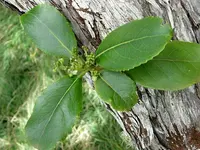
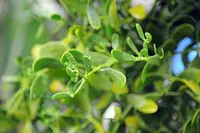
Claoxylon glandulosum is a lesser-known shrub or small tree from tropical forest habitats, typically found in Southeast Asia and nearby regions. It forms a leafy, upright structure with simple green foliage and a fairly bushy habit in suitable conditions.
In nature it grows in warm, humid, partly shaded sites, often as part of the forest understorey. These conditions suggest it prefers filtered light, steady moisture, and well-drained, organic-rich soil. Gardeners interested in how to care for Claoxylon glandulosum should treat it as a tropical shrub that benefits from protection from cold, drying winds, and prolonged drought.

Care Difficulty
Moderate Care

Light Preference
Partial Shade

Water Requirements
Moderate Water

Temperature Preference
Warm Climate

Hardiness Zone
Unknown

Soil Texture
Loamy

Soil pH
Slightly acidic (6.5–7.0)

Soil Drainage
Well-drained

Fertilization
Minimal (feed rarely)
Scan your plant to receive care tips personalized for your specific plant
Available on iOS and Android
This species prefers bright, filtered light with some protection from intense midday sun.
Watering should keep the soil consistently moist but never stagnant around the roots.
This plant grows best in warm, frost-free conditions typical of lowland tropical to subtropical climates.
This species prefers moderately humid air but usually adapts to typical indoor levels.
Provide a loose, well-drained, organic-rich substrate to keep roots oxygenated and stable.
This species can adapt to container culture when the pot is chosen to protect its roots and maintain stable moisture.
This species usually grows well in native soil and needs only light feeding when cultivated.
Pruning Claoxylon glandulosum is mainly corrective, helping maintain a stable framework and remove weak growth.
This plant is usually grown in the ground, so care focuses on careful transplanting rather than frequent repotting.
Propagation of Claoxylon glandulosum is generally done by seed and sometimes by semi-ripe cuttings under controlled conditions.
This species prefers mild, frost-free conditions and benefits from simple protection in cooler climates.

Plant Health Check
Not sure what's wrong with your plant? Check your plant's health inside the app.
This species is a small understory shrub native to the rainforests and moist forests of eastern Australia, especially in New South Wales and Queensland, where it grows in shaded, humid habitats beneath taller trees.
The plant is named for the tiny glandular structures on its stems and other tissues, which produce secretions that likely play a role in deterring herbivores or reducing water loss.
Male and female flowers occur on separate plants, a condition known as dioecy, so a population needs both sexes present for viable seed production.
This species can form loose thickets where conditions are ideal, but it is not typically described as aggressively spreading in managed gardens. Seedlings may appear nearby, so light monitoring and removal of unwanted volunteers is usually sufficient.
Keep your plants happy and healthy with plant identification, disease detection, and easy care guidance.