Vine direction training
Install a sturdy trellis or fence and loosely tie new stems horizontally along it, which encourages more side shoots and flower-bearing growth rather than a single long, bare vine.


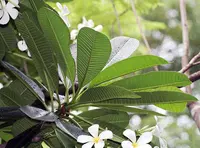
Gold Coast jasmine (Jasminum dichotomum) is an evergreen shrub or vine valued for its glossy green leaves and clusters of fragrant white flowers. It often grows as a dense, twining climber that can be trained on trellises, fences, or containers.
This species is native to tropical Africa but is widely planted in warm climates as an ornamental. It is vigorous and can spread quickly in suitable conditions, which makes it easy to establish but potentially invasive outdoors in some regions.
The plant generally prefers bright light, moderate moisture, and well-drained soil. Understanding these basic needs helps gardeners know how to care for Gold Coast jasmine successfully in home landscapes.

Care Difficulty
Moderate Care

Light Preference
Full Sun

Water Requirements
Moderate Water

Temperature Preference
Tropical / Frost Sensitive

Hardiness Zone
10–11

Soil Texture
Sandy, Loamy, Organic-rich

Soil pH
Acidic (5.5–6.5), Slightly acidic (6.5–7.0)

Soil Drainage
Moist but well-drained

Fertilization
Light (every 4–6 weeks)
Scan your plant to receive care tips personalized for your specific plant
Available on iOS and Android
This vigorous jasmine needs abundant light for heavy flowering and dense growth.
This jasmine prefers evenly moist, well‑drained soil rather than constant wetness or drought.
This subtropical jasmine grows best in warm, frost‑free conditions with mild seasonal variation.
This species prefers moderately humid air but usually adapts to typical indoor humidity levels.
Jasminum dichotomum grows best in loose, well-drained, organically enriched soil.
This jasmine tolerates container culture well when the pot supports its vigorous root system and vining growth.
This vigorous shrub benefits from moderate feeding to support flowering and dense foliage without causing excessive, weak growth in Gold Coast jasmine.
Pruning helps keep Jasminum dichotomum controlled, promotes flowering wood, and prevents it from becoming overly woody or invasive in mild climates.
This jasmine is more often grown in the ground, but container plants or young shrubs benefit from occasional repotting or careful transplanting to maintain healthy root growth.
This species is commonly propagated vegetatively to maintain traits and achieve flowering plants faster than from seed.
This tropical to subtropical jasmine is frost sensitive and needs protection in regions with freezing winters.

Plant Health Check
Not sure what's wrong with your plant? Check your plant's health inside the app.
This species opens its fragrant white flowers at night rather than during the day, an adaptation that aligns with the activity patterns of its primary pollinators such as nocturnal moths.
After flowering, it forms small green berries that mature to dark purple and often remain on the plant for extended periods, providing a long-lasting visual contrast with the foliage.
In parts of Florida and other warm regions, this plant has escaped cultivation and forms dense thickets in natural areas, where it shades out native vegetation and is officially listed as an invasive species.

In south Florida, this species has been documented growing from seed in tree canopies and wall crevices, using its climbing habit and bird-dispersed fruits to colonize vertical surfaces well above ground level.
Poor flowering often results from low light, heavy pruning at the wrong time, or excess nitrogen fertilizer. Avoid cutting young shoots after late winter, use balanced fertilizer, and provide enough sun to encourage buds.
Keep your plants happy and healthy with plant identification, disease detection, and easy care guidance.