

Provide sturdy support
Install a strong, long-term trellis or wires early and gently tie new shoots horizontally to encourage dense side branching and easier fruiting later.

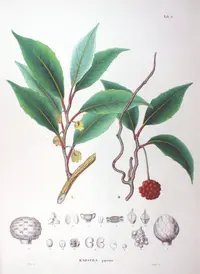
Kadsura japonica, commonly called kadsura vine, is a woody, evergreen climber grown mainly for its glossy foliage and ornamental fruits. It often twines through supports or shrubs, forming a dense, green curtain rather than a strict vertical vine.
This species is native to woodland areas in East Asia, where it grows in dappled forest light with consistent soil moisture. In gardens, it is valued as a relatively slow to moderate grower that prefers sheltered, mild conditions and does not tolerate extreme cold or drought well.
These traits make it moderately easy to manage but less suited to very dry or exposed sites. Understanding how to care for kadsura vine starts with providing steady moisture, shade to bright indirect light, and well-drained, humus-rich soil.

Care Difficulty
Moderate Care

Light Preference
Partial Shade

Water Requirements
Moderate Water

Temperature Preference
Warm Climate

Hardiness Zone
7–10

Soil Texture
Loamy, Sandy, Organic-rich

Soil pH
Acidic (5.5–6.5), Slightly acidic (6.5–7.0)

Soil Drainage
Moist but well-drained

Fertilization
Light (every 4–6 weeks)
Scan your plant to receive care tips personalized for your specific plant
Available on iOS and Android
This evergreen climber prefers bright, gentle light similar to a woodland edge.
This species prefers evenly moist, well-drained soil and does not tolerate waterlogging.
This vine prefers mild, frost-free conditions similar to coastal or woodland climates.
This species prefers moderately humid air but tolerates typical indoor levels if not too dry.
Kadsura japonica prefers loose, organic-rich soil that drains freely yet retains consistent moisture.
This vine adapts well to container growing when the pot supports its climbing habit and moisture needs.
Light, balanced feeding supports steady growth and foliage quality in Kadsura japonica.
Thoughtful pruning keeps Kadsura japonica manageable and encourages healthy new shoots.
Container-grown plants benefit from periodic repotting, while garden specimens of Kadsura japonica prefer minimal disturbance once established.
New Kadsura japonica plants are most often produced from semi-ripe cuttings or layering rather than seed.
Kadsura japonica is moderately cold hardy but may need extra winter care in colder climates or exposed sites.

Plant Health Check
Not sure what's wrong with your plant? Check your plant's health inside the app.
This species is dioecious, meaning individual plants are either male or female, so only female plants can set fruit if a male is nearby for pollination.
The small, creamy white to yellowish flowers open in late spring to summer and release a stronger fragrance in the evening, which helps attract nocturnal pollinators.
After successful pollination, the plant develops dense clusters of bright red, segmented berries that are botanically multiple fruits formed from many fused carpels.

In parts of East Asia, this species has traditionally been trained over garden structures such as pergolas and entry arches, where its evergreen foliage and pendant red fruit clusters have been used to create year-round ornamental displays in shaded courtyard gardens.
This species often flowers only after several years, once stems are mature and well established. Inadequate light, excess nitrogen fertilizer, or heavy pruning at the wrong time can also remove flowering wood and reduce bud formation.
Keep your plants happy and healthy with plant identification, disease detection, and easy care guidance.

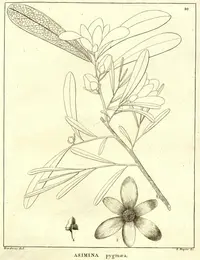
Dwarf pawpaw
Asimina pygmaea
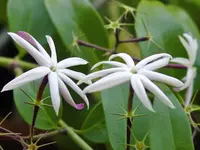
angel-wing jasmine
Jasminum laurifolium
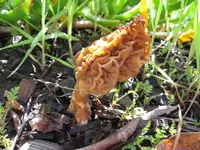
Woodchip Morel
Morchella rufobrunnea
Palmer's century plant
Agave palmeri
Monstera 'Karstenianum'
Monstera 'Karstenianum'
Monstera deliciosa 'Thai Constellation'
Monstera deliciosa 'Thai Constellation'
White Variegated Monstera
Monstera deliciosa 'Albovariegata'
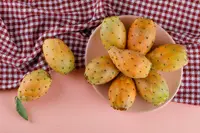
Prickly pear
Opuntia ficus-indica