Support And Training
Install a sturdy trellis, wire grid, or hanging support early, then loosely tie young stems with soft ties so the vine can climb without kinking or snapping as it thickens.

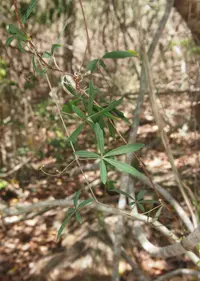
Pepper vine, Clematicissus opaca, is a woody climbing vine native to Australia, often found in dry forests and rocky outcrops. It uses tendrils to attach to supports and can form dense, leafy curtains.
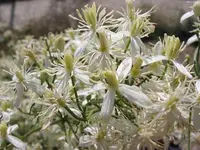
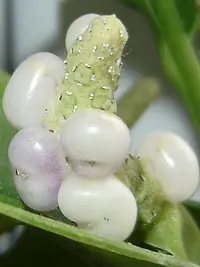
The foliage is usually glossy green, with small clustered flowers and decorative berries that add seasonal interest. Its growth habit makes it suitable for trellises, fences, or large indoor spaces with strong support.
This species is moderately easy to grow when its natural conditions are imitated, so understanding how to care for Pepper Vine is important. It generally prefers bright filtered light, moderate moisture, and well-drained soil that does not stay waterlogged.

Care Difficulty
Moderate Care

Light Preference
Partial Shade

Water Requirements
Moderate Water

Temperature Preference
Warm Climate

Hardiness Zone
10–11

Soil Texture
Sandy, Loamy, Organic-rich

Soil pH
Acidic (5.5–6.5), Slightly acidic (6.5–7.0)

Soil Drainage
Well-drained

Fertilization
Minimal (feed rarely)
Scan your plant to receive care tips personalized for your specific plant
Available on iOS and Android
This climber prefers bright but softened light similar to a lightly shaded forest edge.
This species prefers evenly moist, well-drained soil that never stays soggy for long periods.
This vine grows best in mild, frost-free climates with moderate warmth most of the year.
This species prefers moderately humid air but adapts to typical indoor levels if not kept too dry.
Clematicissus opaca prefers a loose, well‑drained mix that stays lightly moist but never waterlogged.
This vine grows well in containers when given stable support and controlled moisture.
Clematicissus opaca responds well to light, consistent feeding during the warm growing season.
Pruning supports healthy structure and controlled spread in Clematicissus opaca.
Clematicissus opaca tolerates repotting or transplanting well if handled gently and at the right time.
Clematicissus opaca is most often propagated from stem cuttings under warm, humid conditions.
This species is relatively tolerant of mild winters but still benefits from some winter care in cooler regions.

Plant Health Check
Not sure what's wrong with your plant? Check your plant's health inside the app.
This species is native to inland eastern Australia, where it grows in dry sclerophyll woodland and rocky outcrops rather than in lush rainforest, tolerating relatively poor, shallow soils.
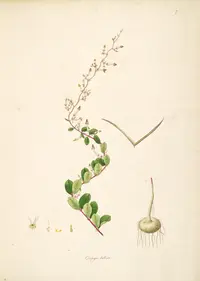
The plant forms underground tubers that store water and starch, helping it survive seasonal drought and fire-prone habitats common in parts of its native range.
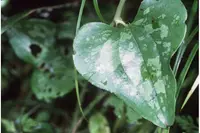
Its leaves can be simple, lobed, or shallowly divided on the same plant, so a single individual may show quite different leaf shapes depending on age and growing conditions.

Clematicissus opaca is an important food source for several native Australian animals, including emus and some kangaroos and wallabies, which dig up and eat its underground tubers in dry periods when other food is scarce.
This species is moderately fast-growing, often adding 30–90 cm of length per year once established. Growth rate depends on warmth, light level, soil fertility, and consistent moisture, and slows noticeably in cooler seasons.
Keep your plants happy and healthy with plant identification, disease detection, and easy care guidance.