Free-draining mound
Plant on a slight raised mound or slope and mix grit through the top 10–15 cm of soil so excess water sheds quickly from the crown, which greatly reduces crown and root rot in this dryland species.

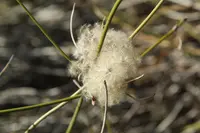
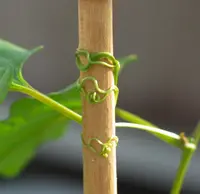
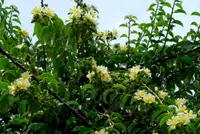
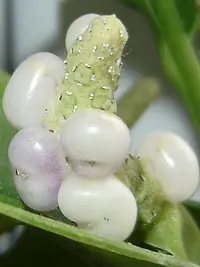
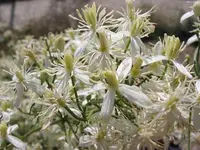
Leafless clematis (Clematis afoliata) is an unusual, wiry, scrambling climber from dry regions of New Zealand. It has almost thread-like green stems and very small or absent leaves, using its stems for photosynthesis. Small, greenish to yellowish flowers appear along the stems, followed by decorative seed heads. The plant naturally grows in open, sunny scrub and rocky slopes with low to moderate rainfall. It suits gardeners who enjoy drought-tolerant species and a more architectural, minimalist look. Understanding how to care for Leafless Clematis starts with providing sharp drainage, moderate watering, and a bright, open position protected from extreme winter wet.

Care Difficulty
Moderate Care

Light Preference
Full Sun

Water Requirements
Low Water

Temperature Preference
Warm Climate

Hardiness Zone
8–10

Soil Texture
Sandy, Loamy, Rocky

Soil pH
Slightly acidic (6.5–7.0), Neutral (7.0)

Soil Drainage
Well-drained

Fertilization
Minimal (feed rarely)
Scan your plant to receive care tips personalized for your specific plant
Available on iOS and Android
This leafless New Zealand clematis prefers bright, open conditions with strong but not extreme sun exposure.
This drought-tolerant species prefers infrequent, deep watering in sharply drained soil.
This species is adapted to cool to warm temperate climates and tolerates a fairly wide temperature range outdoors.
This species tolerates a wide humidity range and usually does not need special humidity management indoors or outdoors.
Clematis afoliata prefers sharply drained, light soil that mimics rocky, open habitats.
This species can be grown in containers if the pot is configured to keep the root zone dry and well aerated.
This dryland shrub needs only light feeding when grown in poor soil; many established plants manage without routine fertilizer.
Pruning Clematis afoliata is mainly about light shaping and removing dead material rather than heavy cutting.
This species is usually grown in the ground, so focus on careful transplanting rather than frequent repotting.
Propagation is possible but moderately specialist, so it is usually done by experienced growers or native plant nurseries.
This shrub is naturally adapted to cool, dry climates and usually needs minimal winter care in the ground.

Plant Health Check
Not sure what's wrong with your plant? Check your plant's health inside the app.
This species has almost no true leaves; its green, wiry stems take over the role of photosynthesis, which is unusual within the genus Clematis and suits its open, dry habitats in New Zealand.
It is naturally restricted to New Zealand, where it grows as a small, much-branched shrub or scrambler in dry, open sites, often among rocky ground or shrubby vegetation in eastern regions.
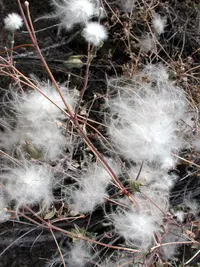
After flowering, it produces characteristic Clematis seed heads with long, silky styles that act like parachutes, allowing wind to disperse the seeds across open landscapes.

Clematis afoliata is one of only a very few Clematis species globally that are functionally leafless, making it a botanical curiosity and an example of convergent evolution toward stem-based photosynthesis in dry, high-light environments.
This species performs best outdoors in a sunny, open, well-drained site that mimics its dry native habitat. It dislikes low light and high humidity, so Leafless Clematis indoor care is generally short-term and not ideal long-term.
Keep your plants happy and healthy with plant identification, disease detection, and easy care guidance.