Layered root protection
Create a 5–8 cm gravel or coarse bark mulch ring over the root zone but away from the stem to keep the base shaded, cool, and well-drained while allowing easy inspection for rot or pests.

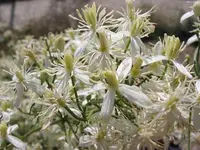
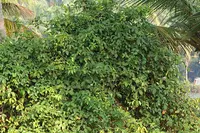
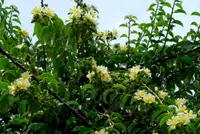
Fragrant clematis (Clematis flammula) is a vigorous, deciduous climbing vine known for its masses of small, white, star-shaped flowers with a strong sweet scent. It typically scrambles through supports or over shrubs, creating a light, airy screen of foliage and blooms. Native to southern Europe and parts of North Africa, it thrives in warm, temperate climates with good sun exposure.
The plant prefers well-drained soil and benefits from consistent moisture, especially in the growing season. It is generally easy to manage if given a sturdy support and regular pruning to control its energetic growth. Gardeners who learn how to care for fragrant clematis usually find it a rewarding, long-lived feature in the landscape.

Care Difficulty
Moderate Care

Light Preference
Full Sun

Water Requirements
Regular Water

Temperature Preference
Cold Hardy

Hardiness Zone
5–9

Soil Texture
Sandy, Loamy, Organic-rich

Soil pH
Acidic (5.5–6.5), Slightly acidic (6.5–7.0)

Soil Drainage
Moist but well-drained

Fertilization
Light (every 4–6 weeks)
Scan your plant to receive care tips personalized for your specific plant
Available on iOS and Android
Clematis flammula thrives with strong light on its vines and cooler, shaded roots.
Clematis flammula prefers consistently moist but not saturated soil around its root zone.
This clematis handles a wide outdoor temperature range when its roots are protected.
This species handles 40–60% humidity and typical outdoor air without special measures.
Clematis flammula prefers loose, fertile, well-drained soil that stays evenly moist but not saturated.
This climber can grow successfully in containers when given a deep, stable setup.
Clematis flammula responds well to moderate feeding that supports flowering without forcing soft, weak growth.
Clematis flammula benefits from structured pruning to maintain vigor, control size, and encourage abundant flowers.
This vine is usually grown in the ground, so focus on careful planting and occasional transplanting rather than frequent repotting.
Clematis flammula is commonly propagated by cuttings and layering, with seeds used mainly for breeding or naturalizing.
This species is fairly cold hardy in many temperate gardens but benefits from some root protection in harsher winters.

Plant Health Check
Not sure what's wrong with your plant? Check your plant's health inside the app.
The flowers release a sweet, vanilla-like scent, especially in the evening and in warm weather, which helps attract nocturnal pollinating insects such as moths.
This species is native to the western and central Mediterranean region, where it naturally scrambles over shrubs and rocky slopes in sunny, dry habitats.
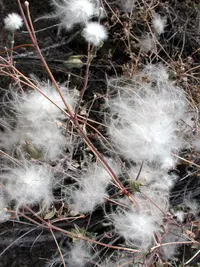
Instead of a few large flowers, it produces hundreds of small, star-shaped white blooms on long, thin stems, creating a dense, foamy appearance over the plant in late summer to fall.

In some coastal and Mediterranean landscapes, this vigorous climber can form large, scented thickets on old walls, hedgerows, and scrub, where its late-season flowers provide an important nectar source when many other plants have already finished blooming.
This species can spread vigorously through long vines and self-seeding in favorable climates. In gardens it may become difficult to control without regular pruning, deadheading, and root monitoring, especially near natural areas or fences.
Keep your plants happy and healthy with plant identification, disease detection, and easy care guidance.