Drummond's clematis Care (Clematis drummondii)

Also known as: Texas virgin's bower, old man's beard
Drummond's clematis

About Drummond's clematis

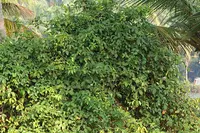
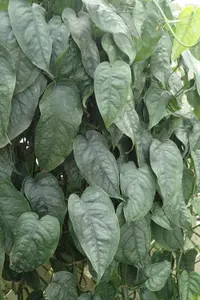
Drummond's clematis (Clematis drummondii) is a woody, perennial vine native to dry, open areas of Texas and the southwestern United States into northern Mexico. It often scrambles over shrubs, fences, or rocky slopes, forming a light, twining curtain of growth.

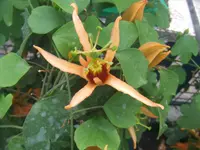
The plant bears small, creamy white flowers that mature into distinctive feathery seed heads, giving it a soft, silvery look when in fruit. Foliage is typically deciduous, dropping in colder or very dry conditions.

This species favors full sun to light shade, good air movement, and well-drained soils. It is fairly drought-tolerant once established, but young plants need regular moisture. Understanding these native conditions helps gardeners care for Drummond's clematis successfully in cultivation.

Main Plant Requirements

Care Difficulty

Moderate Care

Light Preference

Full Sun

Water Requirements

Low Water

Temperature Preference

Warm Climate

Hardiness Zone

7–9

Soil Texture

Sandy, Loamy, Rocky

Soil pH

Slightly alkaline (7.0–7.5), Alkaline (7.5–8.5)

Soil Drainage

Well-drained

Fertilization

Minimal (feed rarely)

Get Personalized Care Plan

Scan your plant to receive care tips personalized for your specific plant

Available on iOS and Android

How to Care for the Drummond's clematis

This sun-loving vine needs strong light but benefits from some protection in extreme heat.

  • Provide 6–8 hours of direct sun daily, with morning sun and light afternoon shade ideal in hot, dry climates where Drummond's clematis naturally grows.
  • Allow light dappled or filtered shade during the hottest afternoon hours to reduce leaf scorch and stress, especially in exposed sites.
  • In spring and fall, full sun is usually tolerated well; in summer, monitor for pale, scorched, or stunted leaves as signs of too much intense sun or too little light.

This vine prefers deep but infrequent watering that allows the soil surface to dry slightly between soakings.

  • Water when the top 3–5 cm of soil feels dry, soaking the root zone thoroughly, then let excess drain away from the planting area.
  • Use well-drained, sandy or loamy soil so Clematis drummondii roots do not sit in water; yellowing, soft stems suggest overwatering, while crisp leaves indicate drought stress.
  • In spring and fall, soil may stay moist longer; in peak summer heat, check soil more often, focusing on moisture depth rather than a fixed schedule.

This species handles heat well but still has clear limits for both cold and high temperatures.

  • Aim for active growth in 70–90°F (21–32°C), which suits its warm-climate origin while allowing steady vine and flower development.
  • Established plants can usually survive brief drops to about 15–20°F (-9 to -6°C), but young vines are more vulnerable and benefit from mulch at the crown.
  • In very hot spells above 100°F (38°C), provide extra soil moisture and some afternoon shade to reduce heat stress and leaf burn, especially in exposed locations.

This vine tolerates a wide humidity range and rarely needs special humidity management.

  • Prefers 30–60% humidity, typical of most outdoor conditions in its native range.
  • Handles dry air well if soil moisture is consistent and roots do not dry completely.
  • Humidity stress shows as crisp leaf edges and premature leaf drop, often combined with drought.
  • If air is very dry and hot, use a mulch layer and wind protection rather than misting to reduce water loss.

Clematis drummondii does best in loose, fast-draining soil that keeps roots cool but not waterlogged.

  • Use a sandy or sandy-loam mix with 30–40% coarse sand plus 20–30% compost for structure and nutrients.
  • Aim for slightly alkaline to neutral pH around 7.0–8.0, avoiding strongly acidic mixes below 6.0.
  • Improve aeration and drainage by blending in perlite or fine gravel, especially in heavy or compacted ground.
  • Avoid dense clay, sites where water stands after rain, or mixes with high peat content that stay soggy.

This species can be grown in containers if the pot is large, stable, and drains very efficiently.

  • Choose a tall, heavy container to counterbalance the vine and trellis so wind does not tip it over.
  • Fill the pot with a gritty, fast-draining mix and elevate it on feet so drainage holes never sit in runoff.
  • Position the container where the root zone is shaded by neighboring plants or mulch while the vine receives full sun.

This drought-tolerant native vine needs only light feeding in average garden soil for healthy growth.

  • Apply a balanced, slow-release fertilizer (around 10-10-10) at half strength once in early spring as new growth starts.
  • In lean or sandy soils, supplement with a thin layer of compost around the root zone, keeping it away from the stem base.
  • Avoid high-nitrogen products, which push foliage over flowers and can weaken Drummond's clematis in stressful heat.
  • Stop feeding by late summer and do not fertilize during fall or winter dormancy.

Thoughtful pruning keeps Clematis drummondii manageable, encourages flowering, and maintains vine health.

  • Use clean bypass pruners in late winter or very early spring before vigorous new growth begins.
  • Remove dead, damaged, or crossing stems first, cutting back to healthy tissue above a strong bud or leaf node.
  • Thin congested interior growth to improve air movement and reduce disease risk while keeping a natural, open form.
  • Lightly shorten overly long vines after flowering if needed to control spread and guide the plant on its support.

This species is most often grown in the ground, so focus on careful transplanting rather than frequent repotting.

  • Transplant in late fall or very early spring when growth is slow and temperatures are mild.
  • Move plants only when necessary, such as poor flowering, waterlogging, or crowding from nearby shrubs.
  • Dig a wide root ball to keep as many roots intact as possible, disturbing the root system as little as you can.
  • Replant at the same depth in well-drained soil, water thoroughly, and keep evenly moist for several weeks to limit stress.

Clematis drummondii is commonly propagated by seed, softwood cuttings, or simple layering.

  • Sow fresh seed in fall outdoors or provide a cold stratification period indoors to break dormancy.
  • Take softwood cuttings in late spring to early summer and root them in a humid, bright, shaded environment.
  • Use a sterile, well-drained medium such as perlite and peat or a fine bark mix, and keep it just moist, not wet.
  • For layering, bend a flexible stem to the ground, lightly wound and pin it, then sever and transplant once well rooted.

This vine is moderately cold hardy in much of its native range and usually needs only minimal winter attention.

  • In climates with occasional frost, a 5–8 cm layer of mulch over the root zone helps buffer temperature swings.
  • Avoid piling mulch directly against the stems to reduce rot risk during wet, cool periods.
  • Container-grown plants in colder zones than recommended should be moved to a sheltered, unheated but frost-free spot.

Care Tips

Early vine training

Install strong wire or mesh before planting and loosely tie young vines with soft ties so the plant establishes a clear climbing direction and does not tangle into nearby shrubs or fences you may need to access later.

Root zone shading

Mulch with 5–8 cm of light-colored gravel or organic mulch around, but not touching, the stem to keep roots cool and reduce evaporation, especially important in hot, dry regions when caring for Drummond's clematis.

Wind exposure management

Place the plant where structures or shrubs break strong, drying winds, or add a breathable windbreak fabric to prevent stems from snapping and to reduce moisture stress in exposed sites.

Seed and fluff control

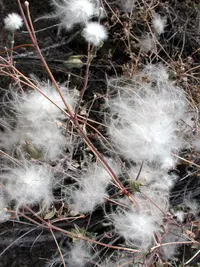
If self-seeding is a concern, remove or trim spent flowers before seed heads fully develop, or selectively cut off fluffy seed clusters and dispose of them in yard waste rather than compost.

Periodic structure checks

Once or twice a year inspect trellises, fences, and ties for rust, looseness, or girdling, then replace or adjust supports so mature, woody stems remain secure but are not constricted as they thicken.

Common Pests and Diseases

Clematis wilt

This disease causes sudden blackening and collapse of stems, often just as plants come into active growth or flowering. Symptoms include wilted leaves that turn dark and die back from the top of the vine downward.

Solution

Cut back affected stems to healthy green tissue at or near the base and remove all infected material from the area. Maintain good air circulation, avoid wounding stems, keep mulch slightly away from the crown, and allow the soil surface to dry lightly between waterings to reduce infection risk as part of Clematis drummondii care.

Powdery mildew

This disease shows as white or gray powdery patches on leaves, stems, and sometimes flower stalks, especially in warm days with cool nights. Symptoms include distorted or yellowing foliage and reduced vigor.

Solution

Remove heavily infected leaves and improve air movement around the vine by thinning crowded growth and avoiding overhead watering late in the day. If needed, apply a sulfur or potassium bicarbonate-based fungicide labeled for ornamental vines, treating both upper and lower leaf surfaces according to label directions.

Leaf spots

Symptoms include tan, brown, or purple spots on leaves that may merge into larger blotches and cause premature leaf drop. This problem is more common in humid, crowded, or poorly ventilated plantings.

Solution

Prune out and discard affected leaves and stems, especially around the base of the plant, and avoid wetting foliage when watering. Improve spacing and airflow, and in recurring cases use a copper or chlorothalonil-based fungicide early in the season to protect new foliage.

Aphids

These insects cluster on young shoots, leaf undersides, and flower buds, sucking sap and causing distorted growth and sticky honeydew that can attract sooty mold. This pest is often more noticeable during flushes of tender new growth.

Solution

Spray infested areas with a strong stream of water to dislodge colonies, then treat remaining insects with insecticidal soap or a light horticultural oil, making sure to cover leaf undersides. Encourage natural predators such as lady beetles and avoid high-nitrogen fertilizers that stimulate very soft, aphid-prone growth.

Spider mites

This pest appears in hot, dry weather and causes fine speckling, bronzing, and eventual drying of foliage, sometimes with very fine webbing between leaves and stems. Symptoms include dull, stippled leaves that may drop early if populations are high.

Solution

Increase humidity around the plant by hosing foliage regularly and reducing dust buildup on leaves, then wash vines thoroughly with water, focusing on the undersides of leaves. If needed, apply insecticidal soap or a miticide labeled for spider mites, repeating treatments as directed while monitoring closely during hot, dry periods.

Interesting Facts

Native desert climber

This species is native to arid and semi-arid regions of the south-central and southwestern United States and northern Mexico, where it naturally scrambles over shrubs and fences in dry, rocky habitats and along desert washes.

Feathery seed plumes

After flowering, its fruits develop long, silky, pale hairs that form conspicuous, fuzzy seed heads, which help wind dispersal and give the plant its common name of old man’s beard.

Specialist insect partners

In its native range, the flowers are visited by a variety of bees and other insects that can navigate the relatively small, greenish-white blossoms, making it an important nectar and pollen source in dry landscapes.

Botan icon

Did you know?

Clematis drummondii contains irritant compounds typical of the Ranunculaceae family, and contact with fresh plant sap can cause skin irritation or blistering in some people and grazing animals, so it is often avoided by livestock in rangeland settings.

FAQs about Drummond's clematis

This vine spreads by seed and can self-sow freely, especially in warm, dry regions. It is not usually a problem in managed gardens, but unwanted seedlings should be pulled early to prevent dense thickets forming over time.

Grow Healthy Plants with Botan Care

Keep your plants happy and healthy with plant identification, disease detection, and easy care guidance.

Botan plant care app — identify plants on mobile

Explore More Plants