Deep root shading
Place flat stones or a low groundcover at the base to shade the root zone and keep soil evenly cool, which reduces stress and improves flowering longevity when growing Clematis.

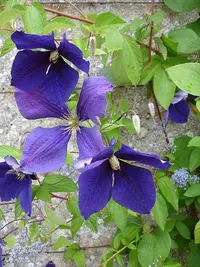
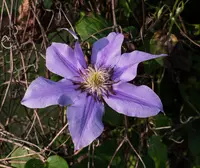
Clematis 'Jackmanii Superba' is a vigorous deciduous climber grown mainly for its large, velvety purple flowers. It belongs to the buttercup family and is widely used on trellises, fences, and pergolas in temperate gardens.
This hybrid form of clematis does not occur naturally in the wild but was bred in Europe and is now common in North American and European landscapes. It is considered moderately easy to grow if its basic needs are met.
The plant prefers sun on its foliage, cool roots, and well-drained, fertile soil. Understanding how to care for Clematis early on helps it establish a strong framework of stems and abundant blooms.

Care Difficulty
Moderate Care

Light Preference
Full Sun

Water Requirements
Regular Water

Temperature Preference
Cold Hardy

Hardiness Zone
4–9

Soil Texture
Loamy, Sandy, Organic-rich

Soil pH
Acidic (5.5–6.5), Slightly acidic (6.5–7.0)

Soil Drainage
Moist but well-drained

Fertilization
Light (every 4–6 weeks)
Scan your plant to receive care tips personalized for your specific plant
Available on iOS and Android
This large-flowered vine thrives with abundant light on its top growth while the root zone stays cool and shaded.
This vine prefers consistently moist, cool soil around the roots without sitting in waterlogged conditions.
This hardy climber tolerates cold winters but grows best in moderate, stable temperatures during the growing season.
This vine grows well in typical outdoor humidity and rarely needs special adjustments.
Soil for Clematis 'Jackmanii Superba' must stay evenly moist yet never waterlogged.
This clematis is suitable for large, stable containers outdoors when root space and drainage are carefully managed.
Nutrient support helps Clematis 'Jackmanii Superba' maintain strong flowering on most garden soils.
Pruning keeps Clematis 'Jackmanii Superba' flowering well and controls its size on supports.
This vigorous climber is usually grown in the ground, with transplanting done only when clearly needed.
New plants are typically raised from cuttings or layering rather than seed to keep cultivar traits true.
This clematis is generally cold hardy in typical garden climates but benefits from some root-zone attention in winter.

Plant Health Check
Not sure what's wrong with your plant? Check your plant's health inside the app.
This large-flowered cultivar was first raised in the mid-19th century by English nurseryman George Jackman, using Clematis lanuginosa and Clematis viticella in its parentage, and it helped establish the popularity of purple clematis in Victorian gardens.
Unlike many early-flowering clematis, it blooms on the current season’s growth and can flower repeatedly from mid-summer into early fall when properly pruned, producing waves of semi-velvety purple blooms.
It has received the Royal Horticultural Society’s Award of Garden Merit, which indicates reliable performance, stable characteristics, and good garden value under typical UK growing conditions.

This cultivar was so influential in 19th- and early 20th-century ornamental horticulture that its genetics feature in the background of many modern large-flowered purple clematis hybrids, making it a cornerstone of contemporary Clematis breeding.
Poor flowering often comes from too-deep planting, incorrect pruning group, or insufficient maturity. This group flowers on new wood, so hard prune in late winter and avoid heavy shade or overly rich nitrogen feed, which promotes leaves over buds.
Keep your plants happy and healthy with plant identification, disease detection, and easy care guidance.