Use gravel collar
Spread a 5–8 cm wide ring of coarse gravel or small stones around the crown to keep the hairy basal stems dry, reduce soil splash, and discourage rot in wet spring weather.

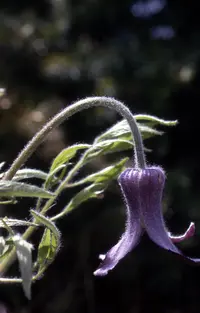
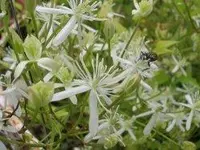
Hairy clematis, Clematis hirsutissima, is a compact, clump-forming perennial rather than a climbing vine. It produces nodding, bell-shaped flowers and is covered with fine hairs on stems and leaves, giving it a soft, fuzzy look.
This species is native to dry, open habitats in parts of western North America, where it experiences cold winters and relatively low moisture. It tends to be tougher than many garden clematis, but it dislikes heavy, waterlogged soil and poorly drained sites.
Gardeners who want to care for hairy clematis should provide sun, moderate moisture, and gritty or well-drained soil. Once established, it is relatively low maintenance if its basic site needs are met.

Care Difficulty
Moderate Care

Light Preference
Full Sun

Water Requirements
Moderate Water

Temperature Preference
Cold Hardy

Hardiness Zone
4–8

Soil Texture
Sandy, Loamy, Rocky

Soil pH
Slightly acidic (6.5–7.0), Neutral (7.0)

Soil Drainage
Well-drained

Fertilization
Minimal (feed rarely)
Scan your plant to receive care tips personalized for your specific plant
Available on iOS and Android
This species thrives in open sites with strong light but benefits from some protection during the hottest hours.
Clematis hirsutissima prefers evenly moist but never saturated soil, especially during active growth.
This hardy species is adapted to continental climates with cold winters and moderate, dry summers.
This species thrives in relatively dry air, so humidity is rarely a concern outdoors.
Clematis hirsutissima prefers well-aerated, fast-draining, moderately fertile soil that never stays waterlogged.
This species can grow in containers if the pot is deep, heavy, and very free-draining.
This native, low-input species generally needs minimal feeding when grown in suitable soil.
Pruning Clematis hirsutissima is mainly about light cleanup to maintain health and natural form.
This species is more often grown in the ground, with transplanting done infrequently and with care.
Clematis hirsutissima is propagated by seed or careful division, usually by experienced gardeners or native plant nurseries.
This cold-hardy species generally overwinters well in typical temperate climates with minimal intervention.

Plant Health Check
Not sure what's wrong with your plant? Check your plant's health inside the app.
This species is native to dry montane and foothill habitats of the central and southern Rocky Mountains, often growing in open ponderosa pine woodlands and sagebrush steppe rather than the moist, climbing habitats associated with many other clematis species.
Unlike most clematis, it is a small, upright subshrub with woody lower stems and does not climb or twine, reflecting an evolutionary shift to a ground-dwelling growth form adapted to windy, exposed sites.
After flowering, it develops clusters of dry fruits (achenes) with long, silky, highly hairy styles that create a fluffy seed head; these hairs help wind dispersal and are a key field character used in Clematis hirsutissima plant care and identification guides.

Pollination is often carried out by early-season solitary bees and small beetles that are active in its cool, open montane habitats, making the species an important early nectar and pollen source in high-elevation and foothill plant communities.
This species performs best outdoors in a sunny, open, temperate site with good drainage. It dislikes stuffy, low-light rooms and consistently moist substrates, so hairy clematis indoor care is generally unreliable except for very short-term display.
Keep your plants happy and healthy with plant identification, disease detection, and easy care guidance.