

Cool root zone
Place a flat stone, low groundcover, or light mulch over the root area to shade the crown and keep roots cool while allowing the vines full sun exposure.

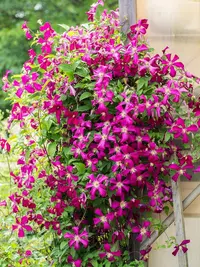
Clematis 'Niobe' is a deciduous flowering vine grown mainly for its large, velvety, deep red to burgundy blooms. It belongs to the buttercup family and is usually trained on trellises, fences, or arches, creating a vertical wall of color.
In garden settings, it thrives in temperate regions, especially in North America and Europe, where winters are cool and summers moderate. It prefers sun on its foliage, cooler shaded roots, and well-drained, fertile soil.
This cultivar is considered moderately easy to grow once established, but young plants need regular attention to support, pruning group, and moisture balance. Learning how to care for Clematis helps maintain strong flowering and healthy growth over many seasons.

Care Difficulty
Moderate Care

Light Preference
Full Sun

Water Requirements
Regular Water

Temperature Preference
Cold Hardy

Hardiness Zone
4–9

Soil Texture
Loamy, Sandy, Organic-rich

Soil pH
Acidic (5.5–6.5), Slightly acidic (6.5–7.0)

Soil Drainage
Moist but well-drained

Fertilization
Light (every 4–6 weeks)
Scan your plant to receive care tips personalized for your specific plant
Available on iOS and Android
This large-flowered climber needs strong light on its vines but cool, shaded roots for best flowering.
This plant prefers evenly moist, cool soil that never stays waterlogged.
This hardy climber tolerates cold winters but grows best in moderate temperatures.
Humidity is not a critical factor for Clematis 'Niobe' when grown outdoors in typical garden conditions.
Clematis 'Niobe' prefers deep, moisture-retentive but well-drained soil that stays cool around the roots.
This clematis can grow well in containers if the pot is large, deep, and stable.
Nutrient-focused care helps Clematis 'Niobe' maintain strong flowering and healthy foliage.
Thoughtful pruning keeps Clematis 'Niobe' flowering well and maintains a manageable framework.
Transplanting is more common than repotting for Clematis 'Niobe', which is usually grown outdoors in the ground.
Vegetative methods are preferred for maintaining the flower traits of Clematis 'Niobe'.
This clematis is hardy in many temperate climates but benefits from modest winter preparation, especially in colder regions.

Plant Health Check
Not sure what's wrong with your plant? Check your plant's health inside the app.
Its large velvety red blooms are known for holding their deep color well through the season, unlike some red clematis that fade to purple or magenta in strong sun.
This cultivar belongs to the early large-flowered Group 2 clematis, forming flower buds on both old and new wood, which allows two main flushes of blooms when pruned correctly.
The flowers show a distinct visual contrast because the dark crimson tepals surround bright yellow to golden stamens, a combination often highlighted in ornamental breeding and display design.

This cultivar, introduced by the Polish breeder Władysław Noll in the 1970s, has become a benchmark plant in trials and shows for evaluating the color depth and garden reliability of modern large-flowered red clematis hybrids.
Poor flowering usually comes from pruning at the wrong time, lack of nutrients, or insufficient maturity. This group 2 hybrid often needs a couple of years to settle, plus balanced feeding and correct pruning to bloom well.
Keep your plants happy and healthy with plant identification, disease detection, and easy care guidance.

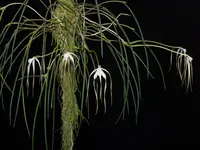
Daddy longlegs orchid
Brassavola cucullata
vining asparagus
Asparagus verticillatus
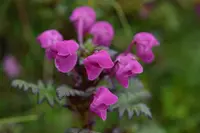
Pedicularis megalantha
Pedicularis megalantha
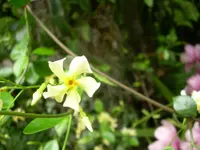
Asiatic jasmine
Trachelospermum asiaticum
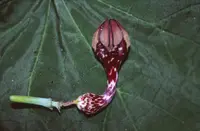
Ceropegia aristolochioides
Ceropegia aristolochioides
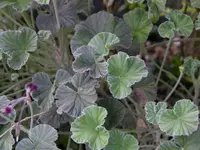
South African geranium
Pelargonium sidoides
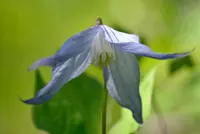
rock clematis
Clematis columbiana
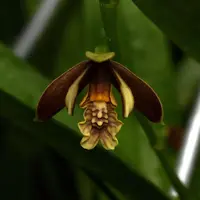
Prosthechea livida
Prosthechea livida