rock clematis Care (Clematis columbiana)

Also known as: blue clematis
rock clematis

About rock clematis

Rock clematis, Clematis columbiana, is a small, herbaceous vine native to the Rocky Mountains and surrounding western regions of North America. It typically scrambles through shrubs or along rocky slopes, using leaf stalks to cling lightly to nearby support.

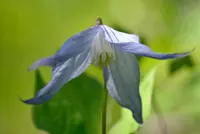
Plants bear nodding, bell-shaped blue to purple flowers, followed by silky, ornamental seed heads that add interest after bloom. The foliage is divided and delicate, giving the plant a fine-textured look.

This species prefers cool summers, well-drained, often rocky soils, and consistent moisture without waterlogging. Understanding these natural conditions helps gardeners care for rock clematis in suitable climates and sites.

Main Plant Requirements

Care Difficulty

Moderate Care

Light Preference

Partial Sun

Water Requirements

Moderate Water

Temperature Preference

Cold Hardy

Hardiness Zone

3–7

Soil Texture

Sandy, Loamy, Rocky

Soil pH

Acidic (5.5–6.5), Slightly acidic (6.5–7.0)

Soil Drainage

Well-drained

Fertilization

Minimal (feed rarely)

Get Personalized Care Plan

Scan your plant to receive care tips personalized for your specific plant

Available on iOS and Android

How to Care for the rock clematis

This mountain woodland vine prefers bright conditions with cool, shaded roots and moderate direct sun on top growth.

  • Provide 4–6 hours of sun daily, ideally morning sun with light afternoon shade; dappled or filtered light suits natural rock clematis habitats.
  • In hot summers, protect from harsh sun from 12–4 p.m. to prevent leaf scorch and faded flowers, especially on exposed south or west slopes.
  • If stems become weak, pale, and flower less, they likely lack light; move or prune nearby plants to increase indirect light and gentle morning sun.

This species prefers consistently moist but not saturated soil that mimics cool, mountain woodland conditions.

  • Water when the top 3–5 cm of soil feels dry, then soak thoroughly so moisture reaches the root zone without leaving the area soggy.
  • During active growth and flowering, monitor after warm, dry spells; reduce watering frequency in cool, rainy periods to avoid root rot.
  • Signs of underwatering include limp, curling leaves and rapid wilting; persistent yellowing lower leaves and a sour soil smell suggest Clematis columbiana is overwatered.

This hardy vine is adapted to cool climates but still benefits from stable, moderate growing-season temperatures.

  • Optimal growth occurs around 60–75°F (16–24°C), with cool nights supporting strong stems and flower production in spring and early summer.
  • Dormant plants tolerate cold to about -20°F (-29°C) in well-drained soil and snow cover; young plants need mulch to buffer freeze–thaw cycles.
  • It handles short warm spells up to 85–90°F (29–32°C) if soil remains cool and moist; prolonged heat with dry soil can cause leaf scorch and reduced flowering.

Clematis columbiana tolerates a wide humidity range but grows best in moderately moist air.

  • Aim for 40–60% humidity, which suits most outdoor conditions in temperate regions.
  • Dry air is usually tolerated, but prolonged hot, very dry wind can cause leaf edges to brown and flower buds to dry.
  • Increase humidity around rock clematis outdoors by using organic mulch over the root zone and grouping nearby plants to reduce moisture loss.

Soil for Clematis columbiana should be loose, well-drained, and cool at the root zone.

  • Use a deep, loamy soil enriched with organic matter such as compost or leaf mold to support moisture retention without becoming waterlogged.
  • Ensure drainage by avoiding heavy, compacted clay; improve such soils with coarse sand and fine bark to increase pore space and aeration.
  • Target a slightly acidic to neutral pH around 6.0–7.0, which supports nutrient uptake and reduces stress on roots.
  • Avoid sites where water stands after rain or where irrigation runoff collects, as constantly saturated soil encourages root rot.

This species can be grown in containers if the pot supports its deep, climbing root-and-vine habit.

  • Choose a tall, heavy container to provide both root depth and stability for climbing stems in wind-exposed sites.
  • Line the bottom with a coarse layer of bark or large perlite pieces to prevent mix compaction over time while preserving drainage.
  • Position the container so that the root zone is shaded by neighboring pots or low plants, keeping the potting mix cooler than the sun-exposed vines.

This alpine vine needs only light, targeted feeding when grown in garden or container conditions.

  • Use a balanced, slow-release fertilizer (around 10-10-10) or a thin layer of compost in early spring as new growth appears.
  • Feed rock clematis once in early spring and again in mid-summer if growth or flowering seems weak.
  • Apply fertilizers at half the label strength to avoid salt buildup and root burn.
  • Stop feeding in late summer so stems harden before winter dormancy.

Pruning is helpful for maintaining Clematis columbiana health and a tidy, natural form.

  • Use clean, sharp hand pruners or snips to make precise cuts and reduce disease risk.
  • In late winter or very early spring, remove dead, damaged, or weak stems back to healthy tissue.
  • Thin crowded growth lightly after flowering to improve air flow and maintain a loose, open habit.
  • Avoid cutting all stems to the ground; retain healthy older wood to support the next season’s flowers.

This species is usually grown in the ground, so focus on careful transplanting rather than frequent repotting.

  • Transplant in early spring or early fall when temperatures are mild and soil is workable.
  • Look for signs like roots circling a container, poor drainage, or slowed growth before moving a plant.
  • Dig wide and deep, keeping as much of the root ball intact as possible to reduce transplant shock.
  • Replant at the same depth, water thoroughly, then mulch 5–8 cm around the base to conserve moisture and stabilize roots.

Clematis columbiana is commonly propagated by seeds, cuttings, and sometimes layering in garden settings.

  • Sow fresh seed in fall or early spring, allowing natural cold stratification outdoors for improved germination.
  • Take softwood or semi-ripe cuttings in late spring to early summer, using a rooting hormone and a free-draining mix.
  • Maintain high humidity and bright, indirect light for cuttings, keeping the medium just slightly moist.
  • For layering, bend a flexible stem to the soil, pin and lightly cover a node, then sever and transplant once roots form.

This cold-hardy species usually needs only basic winter care in most temperate climates.

  • Tolerates typical winter frosts when established, especially in well-drained soil.
  • Apply a 5–8 cm mulch layer over the root zone in late fall, keeping it slightly away from stems.
  • In very exposed or windy sites, provide a windbreak or light shrub cover to reduce stem desiccation.

Care Tips

Cool root zone

Mulch the base with 5–8 cm of composted bark or leaf mold, keeping it 3–5 cm away from the stems, to keep roots cool and moist while reducing weed competition.

Discreet early support

Install thin, rust-resistant mesh or twine guides before new shoots reach 10–15 cm so young stems can latch on naturally, reducing wind damage and breakage.

Gentle stem training

As new vines elongate, loosely spiral them around their support in spring and early summer, spacing stems 5–10 cm apart to improve air movement and flower display.

Alpine-style drainage

On heavy or slow-draining sites, plant on a slight slope or raised berm mixed with coarse grit or small gravel around the root zone to mimic its native rocky habitat and reduce crown rot risk while growing rock clematis.

Spring health check

Each early spring, inspect stems and leaf joints for wilted sections or discolored tissue and prune these back into healthy wood, cleaning pruners between cuts to limit disease spread.

Common Pests and Diseases

Clematis wilt

This disease causes sudden blackening and collapse of stems, often just as plants come into active growth or flowering. Symptoms include one or more shoots wilting rapidly while the rest of the plant initially looks healthy.

Solution

Cut affected stems back into healthy green tissue at least 5–10 cm below the last blackened area and dispose of all infected material in the trash. Improve air circulation, avoid overhead watering, and keep the base of the plant cool and evenly moist to reduce stress that predisposes Clematis columbiana to wilt.

Powdery mildew

This disease appears as white or gray powdery patches on leaves and young stems, often during warm days with cool, humid nights. Symptoms include distorted new growth and premature yellowing or drop of older leaves.

Solution

Remove and discard heavily affected leaves to reduce spore spread, then increase airflow by light pruning of crowded shoots. Water at soil level, keep foliage dry where possible, and apply a sulfur or potassium bicarbonate fungicide labeled for clematis if conditions stay favorable for powdery mildew.

Aphids

These insects cluster on tender shoot tips, buds, and the undersides of leaves, sucking plant sap. Symptoms include curled or distorted new growth and sticky honeydew that can attract sooty mold.

Solution

Dislodge colonies by spraying shoots with a strong stream of water, then check and repeat every few days during active infestations. If populations remain high, use insecticidal soap or a horticultural oil labeled for ornamental vines, coating the undersides of leaves and young stems thoroughly.

Slugs and snails

These pests feed on young shoots and leaves, particularly in cool, moist conditions and in shaded plantings under mulch or groundcovers. Symptoms include irregular holes in foliage and damage to tender emerging stems near the soil line, often with slime trails nearby.

Solution

Hand-pick slugs and snails in the evening or early morning, and reduce hiding spots by limiting thick mulch directly at the crown. Where damage is persistent, place iron phosphate slug bait around but not touching the stems, following label directions to protect pets and wildlife.

Clematis leaf spot

This disease produces small brown or purplish spots on leaves that may enlarge, merge, and cause partial defoliation, especially on older foliage. Symptoms include speckled leaves, yellowing, and premature leaf drop starting on lower parts of the vine.

Solution

Remove and discard spotted leaves, especially any fallen debris around the plant, to reduce the source of infection. Improve air circulation, avoid wetting foliage, and if leaf spot recurs regularly, apply a preventative fungicide labeled for foliar leaf spots on clematis in early spring as part of broader Clematis columbiana care.

Interesting Facts

Rocky mountain specialist

This species is native to western North American mountains, where it grows on cool, rocky slopes, forest edges, and talus, often at relatively high elevations compared with many other clematis.

Non-clinging climber

Unlike many clematis that use leaf stalks to twine around supports, this plant often sprawls through neighboring shrubs and low vegetation, forming loose, scrambling clumps rather than tightly climbing fences or trellises.

Distinctive seed tails

After flowering, it produces clusters of achenes (dry fruits) with long, silky, feather-like styles that aid wind dispersal and give the plant a soft, plumed appearance late in the season.

Botan icon

Did you know?

Clematis columbiana is part of a complex group with several geographic and morphological variants, and botanists have historically disagreed on how to classify its forms, leading to a long record of re-interpretation and synonymy in regional floras.

FAQs about rock clematis

This species is a scrambling climber that uses leaf petioles to hook onto neighboring plants or supports. Without something to grab, it will sprawl over rocks or low shrubs rather than form a neat, upright clump.

Grow Healthy Plants with Botan Care

Keep your plants happy and healthy with plant identification, disease detection, and easy care guidance.

Botan plant care app — identify plants on mobile

Explore More Plants