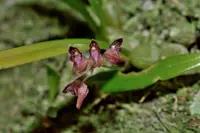
Pedicularis megalantha Care

About Pedicularis megalantha

Pedicularis megalantha is a perennial herb from high-altitude regions of the Himalayas, where it grows in cool meadows and open, moist slopes. It belongs to a group of semi-parasitic plants that draw some nutrients from nearby roots while still performing photosynthesis.

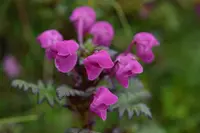
The plant typically forms upright stems with divided leaves and dense spikes of large, often pink to purplish, tubular flowers that attract pollinators. Its specialized lifestyle and need for cool, moist, well-drained soil make it challenging to cultivate away from its native climate.

Gardeners looking into how to care for Pedicularis megalantha should understand that it performs best in consistently cool conditions, with steady moisture and protection from harsh heat or drought.


Main Plant Requirements

Care Difficulty

Hard Care

Light Preference

Partial Shade

Water Requirements

Keep Soil Moist

Temperature Preference

Cool Climate

Hardiness Zone

Unknown

Soil Texture

Loamy, Silty, Organic-rich

Soil pH

Acidic (5.5–6.5)

Soil Drainage

Moist but well-drained

Fertilization

Minimal (feed rarely)

Get Personalized Care Plan

Scan your plant to receive care tips personalized for your specific plant

Available on iOS and Android

How to Care for the Pedicularis megalantha

This alpine perennial prefers bright but gentle light that mimics cool mountain conditions.

  • Provide 3–5 hours of soft morning sun with light shade or dappled light for the rest of the day, especially in summer.
  • Avoid harsh midday and afternoon sun, which can scorch foliage and dry the shallow roots; use neighboring plants or shade cloth to filter light.
  • In hotter climates, choose an east-facing or lightly shaded north-facing site; in cooler, cloudy regions, slightly more direct sun is beneficial for flowering.

Moist, cool, and well-drained soil is essential for this hemiparasitic wildflower.

  • Water when the top 2–3 cm of soil feel slightly dry, aiming to keep the root zone evenly moist but never saturated.
  • Reduce watering in cool or wet seasons to prevent waterlogging; in hotter periods, check soil every 1–2 days, adjusting based on actual moisture rather than a fixed schedule.
  • Yellowing, soft stems and a sour smell indicate overwatering, while drooping, thin leaves and dry, crumbly soil suggest underwatering.

This species is adapted to cool, alpine conditions and dislikes prolonged heat.

  • Aim for growing-season temperatures around 50–68°F (10–20°C), which support steady foliage and flower development.
  • The plant tolerates short dips to about 25°F (-4°C) once established, but repeated hard frosts without snow cover can damage crowns.
  • Above about 77°F (25°C), provide extra shade and mulch to keep roots cool; extended heat above 86°F (30°C) can reduce vigor and flowering of Pedicularis megalantha.

This species prefers consistently moist, cool air and is sensitive to prolonged dryness.

  • Aim for 60–80% humidity, mimicking damp meadow or woodland conditions.
  • Leaf edges browning, limp foliage, and slow growth indicate humidity stress from air that is too dry.
  • Use a nearby humidifier, grouped plants, or a pebble tray with water to raise local humidity around Pedicularis megalantha.

Soil for this species should stay evenly moist yet airy, similar to a cool, humus-rich meadow substrate.

  • Use a loose mix such as 50% fine compost, 30% peat or coco coir, and 20% sharp sand for moisture retention with structure.
  • Ensure free-draining conditions; water must pass through quickly without pooling, but the surface should not crust or bake.
  • Target a slightly acidic to neutral pH around 6.0–7.0 to support nutrient availability and root function.
  • Avoid heavy clay, pure sand, or dense peat blocks that either stay waterlogged or dry into hard clumps with poor aeration.

This species can be grown in containers, but only if moisture and drainage are controlled carefully.

  • Choose a deep, narrow pot to accommodate the taproot while limiting excess wet compost around the root crown.
  • Use a tall container with drainage holes elevated on feet or spacers so runoff clears quickly from the base.
  • Select thicker-walled clay or ceramic pots in sunny spots to keep the root zone cooler and reduce heat stress in the substrate.

This hemiparasitic wildflower generally needs minimal fertilization and is best grown in low-input, naturalistic conditions.

Pruning needs for this species are light and mainly focused on hygiene rather than shaping.

  • Cut back spent flowering stems at the end of the blooming period to keep the clump tidy.
  • Remove dead, diseased, or insect-damaged foliage with clean, sharp scissors or hand pruners.
  • Thin out any obviously crowded, weak stems to improve airflow around the plant.
  • Avoid heavy structural cutting, which can reduce flowering in the next season.

This hemiparasitic species is better suited to in-ground planting than long-term container culture, so focus on careful transplanting.

  • Transplant young plants in early spring or early fall, when temperatures are mild and soil is evenly moist.
  • Choose a site where suitable host species grow nearby, since Pedicularis megalantha relies partly on roots of neighboring plants.
  • Move only when really needed; frequent disturbance can slow growth and reduce flowering.
  • Water thoroughly after transplanting, then keep soil lightly moist to limit root stress while new feeder roots establish.

Propagation is possible from seed but is technically demanding because of the plant’s hemiparasitic nature.

  • Sow fresh seed in late summer or fall outdoors so it experiences natural winter cold stratification.
  • Sow into a gritty, free-draining mix positioned near roots of compatible host plants such as grasses or small perennials.
  • Keep the seed zone evenly moist, not waterlogged, through winter and early spring to support germination.
  • Allow seedlings to establish among host roots and avoid disturbing the area during the first growing season.

Hardy plants in suitable climates usually need only modest winter care when grown in the ground.

  • Tolerates typical winter cold in many temperate regions, provided soil drains well and does not stay waterlogged.
  • Apply a light 2–5 cm layer of mulch after the ground cools to buffer root temperature swings.
  • In colder zones or exposed sites, add extra mulch around the root zone but keep it off the crowns to prevent rot.

Care Tips

Host root planning

Plant this hemiparasite close to compatible, non-woody host species (such as low grasses or small herbaceous perennials) so its roots can attach and access additional water and nutrients, positioning hosts 10–20 cm away to limit competition but still allow contact.

Controlled spread management

Mark the original planting zone and remove unwanted seedlings each spring while small, using a hand fork to lift them with as much root as possible so the stand does not outcompete more delicate neighboring plants.

Seasonal mulch strategy

Apply a very thin, open-textured organic mulch around but not on top of the crowns in late fall to protect roots from freeze–thaw cycles, then gently pull mulch back in early spring to let new growth emerge without rotting.

Moisture buffering companion plants

Use shallow-rooted companion plants that tolerate similar moisture to shade the soil surface lightly, which helps keep the root zone cool and evenly moist without waterlogging when growing Pedicularis megalantha in open beds.

Seed ripening and collection

Allow some flower spikes to dry fully on the plant, then cut and shake them over a clean tray so ripe seeds fall out, storing them cool and dry and sowing them fairly fresh to maintain good viability and genetic diversity of the patch.

Common Pests and Diseases

Rust fungus

This disease causes orange to brown powdery pustules on leaves and stems, often leading to premature leaf yellowing and drop in moist, cool sites.

Solution

Remove and destroy affected foliage, avoid overhead watering, and increase air movement around plants; in persistent cases, apply a sulfur or copper-based fungicide early in the season according to label instructions as part of broader Pedicularis megalantha care instructions.

Powdery mildew

This disease produces a white to gray powdery coating on leaves and flower stems, which can reduce vigor and flowering, especially in shaded, humid conditions.

Solution

Improve light and airflow, water at soil level, and remove heavily infected leaves; if needed, use a potassium bicarbonate or horticultural oil spray, applied in cool hours and repeated as the product label directs.

Aphids

These insects cluster on tender shoots and flower stalks, sucking sap and causing distortion, sticky honeydew, and sometimes sooty mold on the foliage.

Solution

Wash colonies off with a firm stream of water, pinch off heavily infested tips, and encourage or introduce natural predators such as lady beetles; if populations remain high, use insecticidal soap or a light horticultural oil, making sure to cover the undersides of leaves.

Leaf spot

This disease produces small brown to purplish spots on leaves that may merge into larger dead patches under prolonged wet conditions.

Solution

Remove and discard spotted leaves, avoid wetting foliage, and space plants so leaves dry quickly; in recurring cases, use a broad-spectrum fungicide labeled for leaf spots at the first sign of symptoms.

Interesting Facts

Himalayan cloud meadow specialist

This species is native to high-altitude meadows of the eastern Himalayas, typically growing in cool, moist grasslands and open slopes where clouds and fog keep soils consistently damp in the growing season.

Strongly toothed yellow corolla

It produces large, bright yellow, helmet-shaped flowers with deeply toothed lips, a distinctive floral structure within its genus that helps guide specific pollinators to the nectar source.

Hemiparasitic root strategy

Like many Pedicularis species, it is hemiparasitic, forming specialized structures on its roots to tap into neighboring plants for water and nutrients while still performing photosynthesis itself.

FAQs about Pedicularis megalantha

This species is a short-lived perennial in cool, alpine-style conditions. Individual rosettes often persist 2–3 years, sometimes longer, but may behave more like a biennial in warmer, lowland gardens where stress shortens lifespan.

Grow Healthy Plants with Botan Care

Keep your plants happy and healthy with plant identification, disease detection, and easy care guidance.

Botan plant care app — identify plants on mobile

Explore More Plants