Cool root zone
Mulch the base with 5–8 cm of composted bark or leaf mold, keeping it a few cm away from stems, to keep roots cool and moist while allowing the top growth to stay in full light.

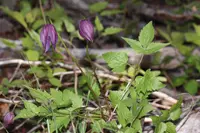
Western blue virginsbower (Clematis occidentalis) is a hardy, deciduous climber native to cool forested and rocky regions of North America. It often grows over shrubs, rocks, or low supports, forming a loose, scrambling mass rather than a strict vertical vine.
The plant carries nodding, bell-shaped blue to purple flowers in spring, followed by decorative feathery seed heads. Its growth is moderate and reasonably forgiving, but it dislikes extremes such as very dry soil or hot, exposed sites.
It generally prefers cool roots, consistent moisture, and well-drained, humus-rich soil. Understanding these preferences makes it easier to care for western blue virginsbower in garden settings.

Care Difficulty
Moderate Care

Light Preference
Partial Shade

Water Requirements
Moderate Water

Temperature Preference
Cold Hardy

Hardiness Zone
3–7

Soil Texture
Loamy, Sandy, Organic-rich

Soil pH
Acidic (5.5–6.5), Slightly acidic (6.5–7.0)

Soil Drainage
Moist but well-drained

Fertilization
Minimal (feed rarely)
Scan your plant to receive care tips personalized for your specific plant
Available on iOS and Android
This species prefers cool roots with moderate direct light on the vines for balanced growth and flowering.
This vine needs consistently moist but not saturated soil, especially during its main growing season.
This cold-hardy climber tolerates low temperatures but benefits from a defined cool-to-warm seasonal cycle.
This species handles typical outdoor humidity but benefits from moderately moist air in hot, exposed sites.
Clematis occidentalis prefers cool, moist, well-aerated soil with consistent drainage.
This species can be grown in containers if the pot is large, deep, and very stable.
This native climber usually needs modest feeding, especially when soils are already reasonably fertile.
Clematis occidentalis benefits from light, well-timed pruning to maintain structure and flowering.
This species is usually grown in the ground, so focus on careful transplanting rather than frequent repotting.
Clematis occidentalis is most often propagated by semi-ripe cuttings or layering rather than division.
This clematis is cold hardy in much of its native range and usually needs only modest winter care.

Plant Health Check
Not sure what's wrong with your plant? Check your plant's health inside the app.
This species is native to cool, moist, subalpine and montane forests of western North America, where it naturally scrambles through conifers and shrubs along rocky slopes and forest edges.
Its flowers hang downward as pale blue to bluish‑purple bells, an orientation that helps protect pollen from rain and late spring moisture in its mountainous habitats.
After flowering, it forms rounded seed heads with feathery, silvery styles that aid wind dispersal and remain visually prominent long after the petals have fallen.

Unlike many large‑flowered garden clematis hybrids, Clematis occidentalis blooms naturally in relatively low‑light, cool mountain environments, making it an important wild component of shaded, high‑elevation plant communities rather than a typical sun‑loving ornamental vine.
This species performs best outdoors in temperate climates, where it receives natural seasonal temperature changes and cold dormancy. Western blue virginsbower indoor care is challenging long term, so containers are usually kept outside for most of the year.
Keep your plants happy and healthy with plant identification, disease detection, and easy care guidance.