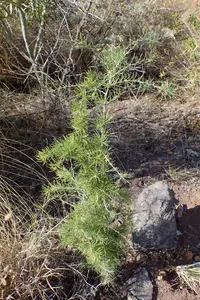
Hydrangea integrifolia Care

Hydrangea integrifolia

About Hydrangea integrifolia

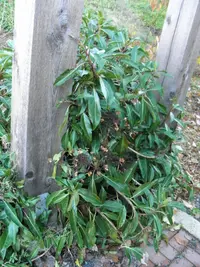
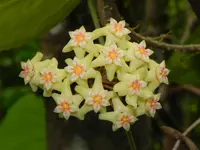
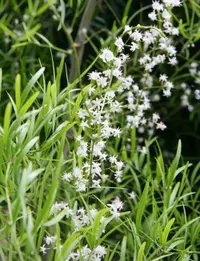
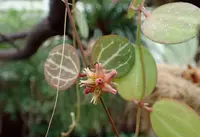
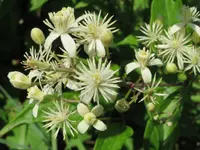
Hydrangea integrifolia is an evergreen climbing hydrangea, valued for its dense foliage and showy lacecap-style flower clusters. It clings to supports with aerial roots, forming a self-supporting wall or tree cover over time.

This species occurs naturally in parts of East Asia, where it grows in forested, often moist mountain habitats. It is generally considered a slow to moderate grower, but long-lived and reliable once established.

Gardeners care for Hydrangea integrifolia as a structural climber for shaded or part-shaded spots with humus-rich, consistently moist but well-drained soil. Its tolerance of shade and cool conditions makes it suitable for many temperate gardens, though it dislikes hot, dry sites.


Main Plant Requirements

Care Difficulty

Moderate Care

Light Preference

Partial Shade

Water Requirements

Regular Water

Temperature Preference

Warm Climate

Hardiness Zone

8–10

Soil Texture

Loamy, Organic-rich

Soil pH

Acidic (5.5–6.5), Slightly acidic (6.5–7.0)

Soil Drainage

Moist but well-drained

Fertilization

Light (every 4–6 weeks)

Get Personalized Care Plan

Scan your plant to receive care tips personalized for your specific plant

Available on iOS and Android

How to Care for the Hydrangea integrifolia

This climbing hydrangea prefers soft, indirect light that mimics a bright woodland edge.

  • Provide 3–5 hours of gentle morning sun with bright shade or dappled light the rest of the day for stable growth.
  • Hydrangea integrifolia tolerates partial to full shade, but in deep shade flowering drops and stems may stretch and weaken.
  • Avoid strong afternoon sun, especially in summer, which can scorch leaves; in hot climates, give filtered light under trees or on an east-facing wall.

This species prefers evenly moist, not saturated, soil supported by good drainage.

  • Water when the top 3–5 cm of soil feels dry, applying a slow, deep soak so moisture reaches the full root zone.
  • During hot, dry spells, check soil every 2–3 days; in cool or rainy seasons, extend intervals and rely more on soil feel than a fixed schedule.
  • Signs of underwatering include limp, curling leaves, while yellowing leaves and blackened stems suggest overwatering or poor drainage.

This woody climber prefers mild, stable conditions without temperature extremes.

  • Aim for active growth in 60–75°F (16–24°C), where bud and leaf development stay steady without stress.
  • Mature plants tolerate brief drops to about 10–15°F (-12 to -9°C) once established, but young plants need protection from hard frost.
  • In summer, growth slows above 85°F (29°C); provide mulch, consistent moisture, and some shade to limit root and foliage heat stress.

This species prefers moderately moist air but adapts if watering is consistent.

  • Aim for 50–70% humidity, especially during active growth and in warm weather.
  • In very dry indoor air, leaf edges may brown and buds may drop as a sign of humidity stress.
  • Increase humidity by grouping plants, placing trays with water and pebbles nearby, or using a room humidifier rather than misting foliage.

This climber performs best in deep, moisture-retentive but well-drained soil.

  • Use a loamy, organic-rich mix with a crumbly structure, such as garden loam blended with compost and fine bark.
  • Ensure drainage is steady, not fast, so the root zone stays evenly moist without standing water.
  • Aim for slightly acidic to neutral pH around 6.0–7.0, which supports nutrient uptake and healthy foliage.
  • Improve aeration and prevent compaction by mixing in 10–20% perlite or coarse sand, avoiding heavy clay or pure sand.

This species can be grown in large containers if they provide stable support and consistent moisture.

  • Choose a tall, heavy pot that resists tipping as the vine climbs and adds weight to one side.
  • Select a container wide enough to anchor a trellis or support structure without stressing the rim or root zone.
  • Use a deep pot to allow an extensive root system, which helps buffer the substrate against rapid drying.

This vigorous climber benefits from moderate, thoughtful feeding rather than rich, continuous fertilization.

  • Apply a balanced slow-release fertilizer (around 8-8-8 or 10-10-10) at half strength in early spring as new growth starts.
  • Supplement with a light top-dressing of compost around the root zone once per growing season, keeping it away from direct stem contact.
  • Avoid high-nitrogen products that push soft, weak growth; choose balanced or slightly phosphorus-lean formulations instead.
  • Stop feeding Hydrangea integrifolia by late summer and do not fertilize in winter to allow proper dormancy.

Pruning helps manage size and structure while keeping Hydrangea integrifolia healthy and flowering.

  • Carry out main pruning in late winter to very early spring before active growth resumes.
  • Remove dead, damaged, or crossing stems first, using clean, sharp bypass pruners for precise cuts.
  • Lightly thin crowded stems to improve air flow and light penetration without stripping the plant.
  • Shorten overly long shoots to maintain desired shape, but avoid cutting back to old, bare wood whenever possible.

This climbing hydrangea is usually grown in the ground, so transplanting is more common than container repotting.

  • Look for signs such as roots circling a pot, water running off quickly, or stalled growth to decide if Hydrangea integrifolia needs moving.
  • Plan transplanting for early spring or early fall when temperatures are mild and soil is workable.
  • Aim to move established plants only every several years, lifting with as much root ball as possible to limit shock.
  • Water deeply the day before, replant at the same depth in well-prepared soil, and keep evenly moist for several weeks to reduce root stress.

Propagation of Hydrangea integrifolia is most successful through vegetative methods rather than seed.

  • Use semi-ripe stem cuttings in late spring to mid-summer, taking 10–15 cm pieces with at least 2–3 nodes.
  • Remove lower leaves, dip the base in rooting hormone, and insert into a free-draining, moist mix under high humidity and bright, indirect light.
  • Try simple layering by pegging a flexible stem to the soil in spring, covering a section with soil and leaving the tip exposed.
  • Allow layered stems to form strong roots over several months before severing from the parent and transplanting carefully.

This species is moderately cold hardy but young Hydrangea integrifolia plants appreciate some winter protection in colder regions.

  • In USDA zones around 7–9, established plants usually overwinter outdoors without major damage.
  • Apply a 5–8 cm layer of mulch around the root zone in late fall, keeping it slightly away from the main stems.
  • In colder or exposed sites, wrap young or container-grown plants with burlap to reduce freeze–thaw stress.

Care Tips

Wall training strategy

Install sturdy horizontal wires or a trellis 20–30 cm apart and loosely tie new vines as they extend, guiding them sideways as well as upward to create an even, well-covered wall rather than a thick, congested column of growth.

Early anchoring support

In the first 2–3 years, use soft ties to secure young stems to their support until aerial roots have firmly attached, checking and loosening ties yearly so they do not constrict thickening stems.

Root zone protection

Maintain a permanent mulch layer 5–8 cm deep over the root area, extending at least 30–45 cm from the base, to keep roots cool, conserve moisture, and reduce weed competition without piling mulch directly against the stems.

Moisture check access

Leave a small unmulched inspection ring 5–8 cm wide around the main stems so you can easily check soil moisture by hand and spot any early signs of stem rot or pest activity at the base.

Storm damage prevention

Before seasonal storms or strong winds, inspect the plant for loose sections and add extra ties or clips where stems are pulling away from the support, preventing tearing of aerial roots and bark that would slow growing Hydrangea integrifolia.

Common Pests and Diseases

Scale insects

This pest often settles along stems and leaf veins, sucking sap and causing yellowing, leaf drop, and poor flowering. Symptoms include small, dome-shaped bumps that may exude sticky honeydew and encourage black sooty mold.

Solution

Scrape off visible scale with a soft brush or cloth, then wash the plant thoroughly with lukewarm water and a mild insecticidal soap, paying attention to stem joints and the undersides of leaves. For heavier infestations on outdoor plants, use a horticultural oil spray during the growing season and prune out badly affected stems to improve airflow along the vine.

Aphids

These insects cluster on young shoots, buds, and the undersides of leaves, feeding on sap and causing distortion, curling, and sticky honeydew deposits. This pest can indirectly promote sooty mold on Hydrangea integrifolia foliage growing in shaded, sheltered positions.

Solution

Rinse aphids off new growth with a firm stream of water, repeating every few days until populations drop. If needed, apply insecticidal soap or a low-impact horticultural oil to tender shoots and buds, and remove heavily infested shoot tips to reduce reinfestation and improve plant vigor.

Hydrangea leaf spot

This disease causes small, circular to irregular brown or purplish spots on leaves, which may merge and lead to premature leaf drop, especially in dense or shaded plantings. Symptoms include more severe spotting on lower, older leaves where moisture lingers after rain or overhead watering.

Solution

Remove and dispose of heavily spotted leaves and fallen debris, then thin or train the vine to increase light penetration and air movement. Avoid wetting foliage when watering, and apply a labeled copper or chlorothalonil-based fungicide if leaf spotting continues through warm, humid weather, following all label directions.

Powdery mildew

This disease appears as a white to gray powdery coating on upper leaf surfaces, sometimes leading to leaf yellowing and distortion on shaded, slow-drying foliage. Symptoms include reduced vigor and poor flowering when the vine grows in still, humid air with limited sun exposure.

Solution

Improve air circulation by selectively pruning congested stems and training the vine more openly against its support, then remove the worst-affected leaves. If conditions favor recurring infections, apply a fungicide labeled for powdery mildew on hydrangeas, or use a sulfur or potassium bicarbonate product, ensuring full coverage of both upper and lower leaf surfaces.

Slugs and snails

These pests chew irregular holes in tender leaves and young shoots, often leaving silvery slime trails on and around the plant. Symptoms include shredded new growth at the base or along shaded sections of the vine, particularly in damp, mulched planting sites.

Solution

Hand-pick slugs and snails in the evening or early morning and reduce hiding spots by limiting thick mulch directly against stems. Use iron phosphate-based bait around the root zone if damage persists, keeping pellets away from pets and wildlife, and avoid overwatering to make the habitat less favorable.

Interesting Facts

Self-clinging evergreen climber

This species is an evergreen climbing hydrangea that anchors itself to tree trunks, rocks, or walls using aerial roots, allowing it to form dense vertical carpets in its native Asian forests.

Shade-adapted foliage

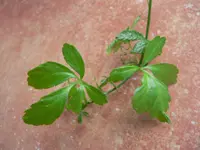
Its leathery, glossy leaves are adapted to lower light levels under forest canopies, maintaining photosynthesis year-round in conditions that many deciduous hydrangeas cannot tolerate.

Late-season floral display

In suitable climates, it produces flat lacecap-style flower clusters in late spring to summer, providing nectar and pollen for a range of insects after many spring-flowering shrubs have finished, which is useful knowledge for Hydrangea integrifolia care instructions.

Botan icon

Did you know?

Unlike many hydrangeas commonly grown as free-standing shrubs, this species can form extensive, multi-meter tall living walls when given a rough vertical surface, effectively functioning as an evergreen façade that changes appearance only slightly across seasons rather than going bare in winter.

FAQs about Hydrangea integrifolia

This species is a self-clinging climbing vine that anchors using aerial roots along its stems. It can slowly spread laterally but primarily grows upward on walls, trees, or structures when surfaces are rough enough for attachment.

Grow Healthy Plants with Botan Care

Keep your plants happy and healthy with plant identification, disease detection, and easy care guidance.

Botan plant care app — identify plants on mobile

Explore More Plants