wild clematis Care (Clematis virginiana)

Also known as: virgin's-bower, devil's hair, traveler's joy, Virginia virgin's-bower, wild clematis, Prairie Smoke on a Rope
wild clematis

About wild clematis

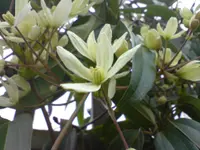
Wild clematis (Clematis virginiana) is a vigorous, deciduous vine native to eastern North America. It naturally scrambles over shrubs, fences, and streamside vegetation, creating dense, tangled growth.

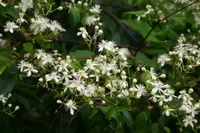
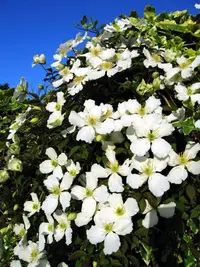
The plant bears clusters of small, creamy white flowers in late summer, followed by showy, feathery seed heads that persist into fall. Its fast growth and twining leaf stalks make it effective for covering supports, but it can spread aggressively in favorable sites.

It favors moist, well-drained soils in sun to partial shade and often thrives along woodland edges and waterways. Gardeners who want to care for wild clematis should plan for its strong growth and spreading habit.

Main Plant Requirements

Care Difficulty

Moderate Care

Light Preference

Partial Sun

Water Requirements

Regular Water

Temperature Preference

Cold Hardy

Hardiness Zone

3–8

Soil Texture

Loamy, Clay, Organic-rich

Soil pH

Acidic (5.5–6.5), Slightly acidic (6.5–7.0)

Soil Drainage

Moist but well-drained

Fertilization

Minimal (feed rarely)

Get Personalized Care Plan

Scan your plant to receive care tips personalized for your specific plant

Available on iOS and Android

How to Care for the wild clematis

Clematis virginiana prefers bright conditions with several hours of direct sun on its upper growth.

  • Provide 4–6 hours of direct sun daily, ideally morning sun with light afternoon shade to prevent leaf scorch on exposed vines.
  • Allow the base and roots to stay shaded or mulched while the top growth climbs into sun, which mimics natural wild clematis woodland-edge conditions.
  • In hot summers, protect from intense sun from 12–4 p.m.; in cooler climates, more direct sun improves flowering and prevents weak, stretched growth.

Clematis virginiana grows best in evenly moist but not saturated soil.

  • Water when the top 3–5 cm of soil feel dry, then soak the root zone deeply so moisture reaches 15–20 cm down.
  • In spring and summer, monitor after hot, windy days for wilting or limp leaves; in fall, reduce watering as growth slows, and in winter rely mainly on natural rainfall unless conditions are very dry.
  • Use well-drained soil and mulch; yellowing, soft stems suggest overwatering, while crisp leaves and dry, hard soil indicate underwatering.

This vine is naturally hardy and tolerates a wide range of outdoor temperatures.

  • Active growth and flowering occur best around 65–80°F (18–27°C), typical of late spring through early fall in many temperate climates.
  • Mature plants tolerate winter cold down to about -20°F (-29°C) when roots are in the ground and mulched, with top growth often dying back and resprouting in spring.
  • Short periods above 90°F (32°C) are tolerated if soil stays moist and roots are shaded; prolonged extreme heat or freeze–thaw cycles can damage stems and flower buds.

This vine handles a wide humidity range but grows best with moderate ambient moisture.

  • Aim for 40–60% humidity, similar to typical outdoor summer conditions in many temperate regions.
  • Tolerates short dry spells, but prolonged very dry air can cause leaf edges to brown and buds to dry before opening.
  • Increase humidity outdoors by mulching the root zone and grouping plants; avoid misting, which can encourage foliar disease on wild clematis.

Clematis virginiana prefers evenly moist, fertile, well-structured soil that drains freely yet retains some moisture.

  • Use a loamy mix with high organic matter, such as garden loam blended with compost and shredded leaf mold.
  • Ensure drainage by avoiding heavy, compacted clay; add coarse sand or fine bark to open the structure and improve aeration.
  • Target slightly acidic to neutral pH around 6.0–7.0 to support nutrient availability and root health.
  • Avoid waterlogged or very shallow, stony soils, which restrict rooting and increase risk of root rot during wet periods.

This species can be grown in containers if the pot is large, stable, and supports vigorous vine growth.

  • Choose a tall, heavy container at least 40–50 cm deep to anchor the vine and prevent tipping in wind.
  • Use a fast-draining potting mix with added compost and bark fines so the root zone stays cool yet not waterlogged.
  • Position the pot where the base is shaded by neighboring containers to keep roots cool while the vine can climb into brighter light.

Clematis virginiana benefits from light, consistent feeding during its active growing season.

  • Use a balanced, slow-release fertilizer (such as 10-10-10) or well-aged compost worked into the soil in early spring.
  • Apply granular or liquid feed every 4–6 weeks from early spring to mid-summer, then stop to allow natural hardening.
  • Dilute liquid fertilizers to about half strength to avoid root burn, especially in containers.
  • Wild clematis growing in rich, undisturbed soil often needs only a thin annual compost topdressing.

Pruning helps Clematis virginiana stay manageable and encourages vigorous new flowering growth.

  • Cut back dead, damaged, or weak stems at ground level in late winter or very early spring before strong new growth starts.
  • Thin crowded or tangled stems to improve air flow and reduce disease risk, using clean, sharp bypass pruners.
  • Shorten long, unruly vines to shape the plant and keep it within its support, encouraging fresh flowering shoots.
  • After flowering, lightly tidy spent stems if needed, but avoid very heavy summer cuts that remove next season’s buds.

This vigorous native vine is usually grown in the ground, so focus on careful site transplanting rather than frequent repotting.

  • Transplant in early spring or early fall, when temperatures are mild and soil is moist but not waterlogged.
  • Look for signs like slow growth, poor flowering, or roots circling a nursery pot to decide when to move or up-pot.
  • Dig a wide planting hole, keep the root ball as intact as possible, and set the crown at the same soil level.
  • Water deeply after transplanting, then keep soil evenly moist for several weeks to limit transplant shock and support new root growth.

Clematis virginiana is commonly propagated by seed, softwood cuttings, or simple layering.

  • Sow fresh seeds outdoors in fall or provide a cold stratification period of 60–90 days, then germinate in bright, cool conditions.
  • Take softwood cuttings in late spring to early summer, using 2–3 node segments placed in moist, free-draining medium.
  • Apply rooting hormone to cuttings, keep humidity high, and maintain temperatures around 65–75°F for better rooting.
  • For layering, pin a flexible stem to the soil in spring, keep it moist, then sever and transplant once strong roots form.

This species is cold hardy in most temperate climates and usually needs only minimal winter care outdoors.

  • Tolerates typical winter frosts once established, dying back partially while the root system remains alive.
  • Apply a 5–8 cm mulch layer around the root zone in late fall to moderate soil temperature and moisture swings.
  • In very cold or exposed sites, add a light straw or leaf cover over the crown, avoiding smothering the stems.

Care Tips

Cool root zone

Lay a 5–8 cm layer of organic mulch or plant low, shallow-rooted groundcovers around the base to keep roots shaded and cool while allowing the upper vine to stay in full sun.

Strong twining support

Install narrow (0.5–1 cm) wires, mesh, or twine rather than thick posts so the slender leaf petioles can wrap securely and climb without slipping.

Controlled spread management

Deadhead or trim off spent flower clusters before seed set in late summer if you want to limit self-seeding and keep the vine from spreading aggressively into nearby plantings.

Airflow for mildew

Space plants and supports so vines are not crowded, and thin out some older stems in late winter to maintain airflow and reduce powdery mildew pressure.

Wildlife-conscious placement

Site the vine where its dense growth can provide habitat on a fence or arbor, but keep it a short distance from gutters, vents, and shingles to avoid tangling in structures when growing wild clematis over many years.

Common Pests and Diseases

Clematis wilt

This disease causes sudden blackening and collapse of stems and foliage, often just as the plant comes into active growth or flowering. Symptoms include one or more shoots rapidly wilting while the rest of the plant may initially appear healthy.

Solution

Cut out affected stems at least 5–8 cm below the last visible symptom and dispose of them in the trash, not compost. Improve air circulation, avoid overhead watering, keep stems off wet soil, and encourage new basal shoots with balanced fertilizer and consistent, moderate watering as part of general Clematis virginiana care instructions.

Powdery mildew

This disease shows as a white or gray powdery coating on leaves and young stems, sometimes followed by yellowing and premature leaf drop. Symptoms include reduced vigor and poor flowering if infections are heavy or repeated.

Solution

Prune out heavily affected shoots, remove fallen leaves, and improve airflow by thinning dense growth and avoiding overcrowding. Water at soil level, keep foliage dry, and, if needed, apply a labeled sulfur or potassium bicarbonate product during dry, mild weather to limit spread.

Leaf spot (Phoma)

This disease produces small brown or purplish spots on leaves that can enlarge and merge, giving foliage a scorched or tattered appearance. Symptoms include weakened plants and reduced flowering when many leaves are affected.

Solution

Remove and discard spotted leaves and any fallen debris to reduce fungal spores, and avoid wetting the foliage when watering. Provide good spacing and airflow, and use a copper- or chlorothalonil-based fungicide labeled for ornamental vines if the problem recurs yearly.

Clematis stem canker

This disease creates sunken, dark lesions on stems, which may crack, girdle the shoot, and lead to dieback above the infected area. Symptoms include sparse growth and failure of affected stems to leaf out fully in spring.

Solution

Cut out diseased stem sections well below the canker into healthy tissue and dispose of prunings, disinfecting tools between cuts with alcohol or a 10% bleach solution. Keep vines tied and supported so stems dry quickly after rain, and avoid mechanical injuries to stems that allow fungi to enter.

Clematis borer

This pest is the larval stage of a moth that tunnels inside the stems, causing wilting, stem breakage, and dieback from the point of entry upward. Symptoms include hollow, frass-filled stems and sudden collapse of otherwise well-cared-for shoots.

Solution

Locate and cut out infested stem sections below the tunnel, then destroy the removed material. Encourage strong regrowth with proper watering and fertilizing, keep the base of the plant visible for easy inspection, and use tight, fine-mesh trunk or stem wraps only during peak egg-laying periods if borers are a persistent issue in the area.

Interesting Facts

Late-season nectar source

This vine flowers from late summer into early fall, providing nectar and pollen for native bees, wasps, and small butterflies when many other woodland plants have finished blooming.

Distinctive silky seed heads

After flowering, it develops clusters of fruits with long, silvery-plumed styles, creating fluffy seed heads that persist into winter and aid wind dispersal across riparian corridors.

Climbing by twisting petioles

Instead of tendrils or adhesive pads, this species climbs by using its leaf stalks (petioles), which twist around twigs and stems to support the vine in thickets and along stream banks.

Botan icon

Did you know?

Clematis virginiana is naturally dioecious in much of its range, meaning individual plants are functionally male or female, so only female plants produce the showy clusters of feathery seed heads after successful pollination.

FAQs about wild clematis

Lack of flowers usually comes from too little light, excessive nitrogen fertilizer, or heavy pruning at the wrong time. Old, overgrown vines may also bloom less and benefit from selective thinning rather than hard cutting.

Grow Healthy Plants with Botan Care

Keep your plants happy and healthy with plant identification, disease detection, and easy care guidance.

Botan plant care app — identify plants on mobile

Explore More Plants