Wind shaping
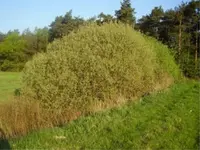
In windy sites, install a low, permeable windbreak (such as open lattice or shrub rows) on the windward side so the plant develops a dense, balanced canopy instead of becoming lopsided or wind-burned.

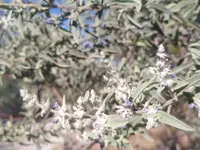
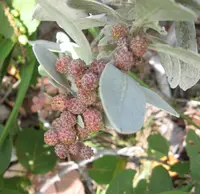
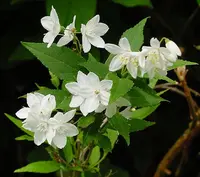
Condea albida is a woody shrub or small tree in the mint family, often found in dry tropical and subtropical regions of the Americas. It usually has pale, whitish foliage and small, tubular flowers that attract pollinators. In its native habitats it grows in scrublands and open woodlands, tolerating heat, sun, and poor soils.
The plant is generally considered resilient once established, though it dislikes prolonged waterlogging and very heavy shade. For gardeners, understanding how to care for Condea albida mainly involves providing strong light, well-drained soil, and a climate that does not stay cold for long periods.

Care Difficulty
Moderate Care

Light Preference
Full Sun

Water Requirements
Moderate Water

Temperature Preference
Warm Climate

Hardiness Zone
9–11

Soil Texture
Sandy, Loamy, Rocky

Soil pH
Slightly acidic (6.5–7.0)

Soil Drainage
Well-drained

Fertilization
Minimal (feed rarely)
Scan your plant to receive care tips personalized for your specific plant
Available on iOS and Android
This sun-loving shrub thrives in bright, open conditions with some protection from extreme heat.
This drought-tolerant shrub prefers infrequent, deep watering rather than frequent light applications.
This warm-climate shrub prefers mild to hot conditions and is damaged by frost.
This shrub tolerates a wide humidity range but performs best in moderately dry air.
Condea albida prefers mineral, well-drained soil that never stays waterlogged.
This species is suitable for container growing where drainage and root space are managed carefully.
This shrub grows acceptably in poor soils but responds well to modest feeding during active growth.
Pruning helps maintain a balanced framework and encourages healthy flowering wood.
This species is more often grown in the ground, but young or container plants benefit from careful transplanting.
New plants are most commonly raised from semi-ripe cuttings or seeds collected from mature specimens.
Established plants in mild climates usually tolerate light frost but benefit from basic winter precautions in colder areas.

Plant Health Check
Not sure what's wrong with your plant? Check your plant's health inside the app.
This species is a strongly aromatic shrub native to arid and semi-arid regions of northern Mexico and the southwestern United States, where its scented foliage helps reduce water loss through small, resinous leaf glands.
In parts of its native range, the pale, tubular flowers are visited by specialized native bees that are adapted to the mint family, providing an important nectar and pollen source during dry, hot periods when few other shrubs bloom.
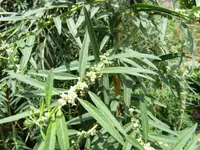
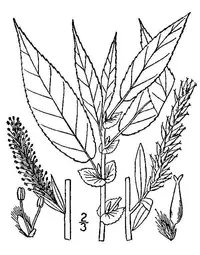
Like many members of the mint family (Lamiaceae), it has opposite leaves and a square stem, but it can be distinguished from related desert shrubs by its pale, often whitish foliage and the dense covering of fine hairs that give the plant a grayish cast.
Yellow leaves usually come from overwatering, poor drainage, or sudden temperature stress. Check that the soil drains well, let the top layer dry between waterings, and rule out root rot or nutrient deficiency with a gentle, balanced fertilizer.
Keep your plants happy and healthy with plant identification, disease detection, and easy care guidance.