Wind-hardening young plants
In the first growing season, expose young shrubs to increasing wind over several weeks or use light, temporary windbreaks so stems develop strong lignified tissue before facing full desert gusts.

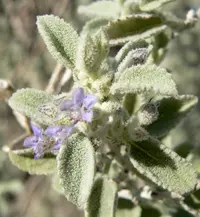
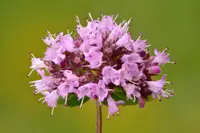
Desert lavender, Condea emoryi, is a woody, evergreen shrub native to the deserts of the southwestern United States and northern Mexico. It is adapted to hot, dry conditions and rocky or sandy soils. The plant forms an upright, branching habit with small gray-green leaves covered in fine hairs, giving it a soft, silvery appearance. Clusters of pale purple flowers attract bees and other pollinators. This species is drought tolerant and long lived, which makes it relatively easy to grow in arid and low-water gardens. Those learning how to care for desert lavender should focus on strong sun, very well-drained soil, and avoiding excess moisture.

Care Difficulty
Easy Care

Light Preference
Full Sun

Water Requirements
Low Water

Temperature Preference
Warm Climate

Hardiness Zone
8–11

Soil Texture
Sandy, Loamy, Rocky

Soil pH
Neutral (7.0), Slightly alkaline (7.0–7.5)

Soil Drainage
Well-drained

Fertilization
Minimal (feed rarely)
Scan your plant to receive care tips personalized for your specific plant
Available on iOS and Android
This drought-adapted shrub performs best in strong, direct sun typical of desert habitats.
Condea emoryi is highly drought tolerant and prefers infrequent, deep watering once established.
This desert shrub prefers hot, dry conditions and handles wide temperature swings once mature.
This desert shrub thrives in very dry air and rarely needs humidity adjustment.
This species prefers very fast-draining, mineral soil that mimics desert washes.
This shrub can be grown in containers if they are large, heavy, and very free-draining.
This desert-adapted shrub needs minimal feeding, but light nutrition can support container-grown or young desert lavender.
Pruning helps maintain structure and flowering performance in Condea emoryi.
This species is usually grown in the ground, so care focuses on thoughtful transplanting rather than frequent repotting.
Condea emoryi is commonly propagated from semi-woody cuttings and seeds under warm, bright conditions.
In mild, arid climates this shrub is quite cold tolerant and usually needs little winter care.

Plant Health Check
Not sure what's wrong with your plant? Check your plant's health inside the app.
This desert shrub produces abundant, nectar-rich purple flowers that are highly attractive to native bees, butterflies, and hummingbirds throughout much of the warm season in its range.
Its gray-green, fuzzy leaves release a strong resinous scent when crushed, providing some protection from herbivores and reducing water loss in hot, arid conditions.
This species is naturally restricted to arid regions of the southwestern US and northwestern Mexico, where it grows along desert washes and rocky slopes and tolerates very high heat and drought.

Although related to culinary mints, this species is not a true lavender; it belongs to the mint family Lamiaceae and its common name comes from its lavender-like flower color and fragrance in dry desert habitats.
Sparse or absent flowering usually comes from too much shade, excess water, or heavy fertilizing. Full sun, lean gritty soil, and minimal feeding support abundant blooms. Light post-bloom pruning encourages more flowering wood without exhausting the plant.
Keep your plants happy and healthy with plant identification, disease detection, and easy care guidance.