Conophytum minimum Care

Conophytum minimum

About Conophytum minimum

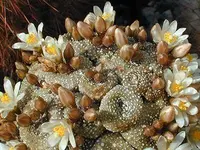
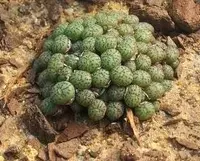
Conophytum minimum is a tiny, clumping succulent from arid regions of South Africa and Namibia. It forms pairs of fused, pebble-like leaves that sit almost flush with the soil surface. New leaf pairs emerge from within the old ones, giving the plant a compact, slowly expanding cushion over time.

This species is adapted to strong light, very fast-draining mineral soil, and dry conditions for much of the year. Its unusual growth cycle, with active and resting phases, is the main challenge when learning how to care for Conophytum minimum.

Main Plant Requirements

Care Difficulty

Hard Care

Light Preference

Partial Sun

Water Requirements

Low Water

Temperature Preference

Tropical / Frost Sensitive

Hardiness Zone

10–11

Soil Texture

Sandy, Rocky, Loamy

Soil pH

Slightly acidic (6.5–7.0), Neutral (7.0)

Soil Drainage

Well-drained

Fertilization

Minimal (feed rarely)

Get Personalized Care Plan

Scan your plant to receive care tips personalized for your specific plant

Available on iOS and Android

How to Care for the Conophytum minimum

This small South African succulent needs bright, gentle light that mimics its rocky habitat.

  • Provide 4–6 hours of soft morning sun with bright, filtered light for the rest of the day to prevent scorching of Conophytum minimum heads.
  • In hot summers, protect from harsh midday and afternoon sun with shade cloth or placement on an east-facing windowsill or similar exposure outdoors.
  • During the active growing season (fall to early spring), ensure bright light; in summer dormancy, give bright shade to reduce stress and wrinkling.

This species has a winter-growing cycle, so its watering pattern must follow seasonal growth and dormancy.

  • From fall to early spring, water lightly only when the soil mix is completely dry, checking that at least the top 3–5 cm are dry before watering again.
  • Use a very fast-draining mineral soil; water thoroughly, then let excess drain away fully to avoid root rot, splitting skins, or mushy bodies that signal overwatering.
  • In late spring and summer dormancy, keep almost dry, giving only tiny sips if bodies wrinkle severely, then wait for them to plump slightly before considering more water.

This succulent prefers cool to mild conditions, with a distinct seasonal rhythm tied to temperature.

  • Aim for 50–70°F (10–21°C) during the active growing season in fall and winter, with nights on the cooler end to mimic natural habitat.
  • Protect from frost; short dips to 32°F (0°C) may be survived if perfectly dry, but growth is safest above 40°F (4°C).
  • In summer dormancy, it tolerates 80–90°F (27–32°C) if shaded, well ventilated, and kept mostly dry to prevent stress and rot.

This species prefers dry air and does not need extra humidity control indoors.

  • Aim for 20–40% relative humidity, similar to a dry, heated room.
  • Very high humidity with poor air movement can promote skin splitting and fungal spots on the leaves.
  • If air is extremely dry and hot, only use a small fan or slight distancing from heat sources rather than humidifiers.

Use a very fast-draining, mineral-based mix to prevent root and stem rot.

  • Combine 70–80% mineral grit (pumice, coarse sand, fine gravel) with 20–30% low-organic succulent mix for a lean, airy substrate.
  • Ensure water drains through in seconds and the mix dries fully within 1–2 days after a light watering.
  • Aim for slightly acidic to neutral pH (6.0–7.0), avoiding peat-heavy mixes that stay wet and compact.
  • For reliable Conophytum minimum care instructions, avoid clay-heavy garden soil or dense compost that reduces aeration.

This species is very suitable for container growing due to its compact, shallow root system.

  • Choose a wide, shallow pot so the roots spread laterally while the mix dries quickly after watering.
  • Select unglazed terracotta if extra evaporation is needed in cooler or humid climates to keep the roots dry.
  • Raise the pot slightly on feet or mesh so drainage holes never sit in a saucer of water.

This compact succulent needs only light feeding to stay healthy.

  • During active growth in fall, apply a very dilute balanced liquid fertilizer (around 1/8–1/4 strength).
  • Use a low-nitrogen cactus or succulent formula rather than rich compost or slow-release pellets.
  • Feed once, or at most twice, per growing season for proper Conophytum minimum care.
  • Do not fertilize during summer dormancy or in winter, when plants are resting.

Conophytum minimum needs almost no pruning, only occasional cleanup.

This species prefers to stay tight in a shallow pot and dislikes frequent disturbance.

  • Repot only every 3–5 years, when clumps press hard against the pot edges or the mix breaks down.
  • Plan repotting for late summer, just before new growth begins, to limit stress.
  • Gently remove the clump, shake or tease away old gritty mix, and avoid breaking the small root system.
  • Replant into a slightly wider shallow container with fresh, fast-draining mineral substrate, then keep almost dry for 1–2 weeks.

Multiplying this plant is possible by careful division or seed, but requires patience.

  • Divide mature clusters at the end of summer, separating natural offsets with minimal root damage.
  • Allow any broken surfaces to dry and callus for several days in shade before replanting in gritty mix.
  • Maintain bright light, excellent air movement, and very light watering until roots re-establish.
  • Sow fresh seed in shallow trays with fine mineral substrate, keeping slightly moist and warm for germination.

Cool, bright, relatively dry winter conditions suit this succulent well.

  • Keep indoor temperatures around 40–55°F; prolonged frost below 32°F can damage tissues.
  • Place containers in the brightest possible spot, with good airflow and no cold drafts.
  • Water very sparingly in winter, allowing the mix to dry fully between light sips.

Care Tips

Mark Dormant Season

Use a plant label or calendar reminder to mark the late spring–summer dormancy so you intentionally reduce water and avoid disturbing the papery sheath while the plant rests.

Top-Dress With Grit

Apply a 0.5–1 cm layer of clean mineral grit or small gravel on the soil surface to keep the leaf bodies dry at the base, reduce algae and fungus growth, and stabilize the tiny clumps.

Use Bottom Watering

During the active growth season, place the pot in a shallow tray of water for 5–10 minutes, then let it drain fully so roots hydrate while the leaf bodies stay dry and less prone to splitting.

Rotate Seasonal Position

Shift the pot slightly farther from intense light in midsummer and closer again in autumn to match its growth cycle and reduce stress or scarring on the exposed leaf surfaces.

Inspect Sheaths Closely

When the old outer skin dries and splits, inspect through the gaps with a magnifier to check for mealybugs or rot, which supports more precise and preventative Conophytum minimum care instructions.

Common Pests and Diseases

Mealybugs

This pest feeds in the leaf fissures and around the stem base, sucking sap and weakening the small bodies. Symptoms include white cottony clusters between heads, slowed growth, and occasional leaf collapse.

Solution

Isolate the plant, then remove visible insects with a cotton swab dipped in 70% isopropyl alcohol, taking care to reach into the crevices between heads. For persistent infestations, use a systemic insecticide labeled for succulents at reduced strength and improve air movement and light to reduce reinfestation while following standard Conophytum minimum care instructions.

Root mealybugs

These insects live in the root zone and around the neck of the plant underground, causing stunting and sudden shriveling despite seemingly correct watering. Symptoms include weak root systems with white cottony masses on roots and soil particles.

Solution

Unpot the plant, discard the old soil, and gently wash the roots under lukewarm water to remove insects and residues. Trim heavily damaged roots, soak the root system briefly in an appropriate insecticidal drench or 70% isopropyl alcohol solution, then repot into fresh, very well-drained mineral substrate and keep slightly drier for several weeks while roots recover.

Fungal leaf spots

This disease develops when old translucent leaf sheaths trap moisture around the living heads during the cool growing season. Symptoms include small brown or dark purple spots on the exposed leaf surface that can merge into larger lesions.

Solution

Remove loose old sheaths during the growing season so the tops can dry quickly after watering, and ensure strong light with good air circulation. If spotting progresses, reduce overhead watering, water only at the soil level in the morning, and apply a low-toxicity fungicide labeled for succulents, discarding any severely damaged heads.

Soft rot

This disease affects overwatered or mechanically damaged heads, especially in warm conditions, leading to rapid tissue collapse. Symptoms include sudden soft, translucent, foul-smelling heads that easily rupture when touched.

Solution

Immediately remove and discard all affected heads and surrounding substrate, cutting back to firm, healthy tissue with a sterile blade. Allow remaining plants to dry, then repot into fresh, gritty soil, reduce watering until new growth is evident, and avoid wetting the bodies during hot spells to limit bacterial spread.

Interesting Facts

Night-scented flowering

This species opens its small white to pink flowers mainly at night in autumn, releasing a sweet scent that attracts nocturnal pollinators in its native South African habitat.

Summer-sheathing strategy

During the hot, dry summer, the previous leaf pair dries into a papery sheath that surrounds the new leaves, reducing water loss and shielding them from intense light.

Miniature rocky camouflage

The tiny, slightly flattened bodies often develop reddish or purplish spotting that mimics the surrounding quartz and gravel, helping the plant visually blend into its rocky environment.

Botan icon

Did you know?

Conophytum minimum has been recorded surviving in extremely shallow rock pockets where roots exploit fine fissures in quartz and sandstone, allowing stable populations to persist in sites that receive only brief, irregular moisture pulses.

FAQs about Conophytum minimum

This species usually blooms in late summer to autumn, producing small daisy-like flowers in white to pink or purple. Blossoms open mainly in the evening and can repeat modestly if the plant has rested well.

Grow Healthy Plants with Botan Care

Keep your plants happy and healthy with plant identification, disease detection, and easy care guidance.

Botan plant care app — identify plants on mobile

Explore More Plants