Rotate For Symmetry
Turn the pot 90° every 2–3 weeks so all leaf pairs receive similar light exposure, which keeps the rosettes compact and prevents the plant from leaning strongly to one side.

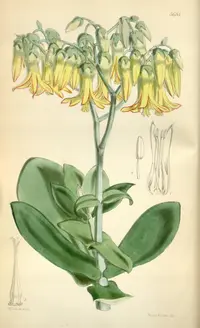
Velvet pigsears is a compact, shrubby succulent known for its thick, fuzzy leaves that resemble small animal ears. The foliage is usually gray-green with a soft, velvety surface. Cotyledon velutina naturally occurs in arid regions of South Africa, where it grows in rocky, well-drained habitats with strong light and low rainfall. This background explains its preference for bright exposure, modest watering, and gritty soil. The plant is generally moderately easy to grow for those who provide good drainage and avoid overwatering. Beginners who learn how to care for Velvet Pigsears often find it a long-lived, sculptural container plant for sunny windowsills or dry indoor spots.

Care Difficulty
Easy Care

Light Preference
Full Sun

Water Requirements
Low Water

Temperature Preference
Tropical / Frost Sensitive

Hardiness Zone
10–11

Soil Texture
Sandy, Loamy, Rocky

Soil pH
Slightly acidic (6.5–7.0), Neutral (7.0)

Soil Drainage
Well-drained

Fertilization
Minimal (feed rarely)
Scan your plant to receive care tips personalized for your specific plant
Available on iOS and Android
This succulent prefers bright, dry conditions similar to its native habitat.
This species is drought-tolerant and needs a thorough dry-down between waterings.
This plant prefers warm, dry conditions with strong seasonal protection from cold.
This succulent stays healthiest in dry indoor air with low to moderate humidity.
This species needs a very fast-draining, mineral-rich mix to protect its roots from excess moisture.
This species is well suited to container growing when pot choice supports its shallow, sensitive roots.
Cotyledon velutina benefits from light, controlled feeding during its active growing season.
Pruning Cotyledon velutina is mainly for tidying shape and removing damaged tissue.
This succulent prefers infrequent repotting and a stable, well-drained container environment.
Cotyledon velutina is commonly propagated from stem cuttings for consistent growth and appearance.
This species is frost-sensitive and needs protective winter care in most temperate climates.

Plant Health Check
Not sure what's wrong with your plant? Check your plant's health inside the app.
This species has a dense layer of short hairs on its leaves, giving them a soft, velvety feel and helping reduce water loss by limiting direct sun and airflow over the leaf surface.
The thick, upright leaves are often slightly curved and notched, which has led to the common name velvet pigsears because the foliage resembles small, fuzzy animal ears.
This succulent is naturally found in arid and semi-arid regions of South Africa and Namibia, where it grows on rocky slopes with fast-draining, mineral-rich soils.
Brown tips usually come from underwatering, very low humidity, or salt buildup from fertilizer. Check soil moisture, flush the pot occasionally with plain water, and avoid fertilizing more than a few times during the growing season.
Keep your plants happy and healthy with plant identification, disease detection, and easy care guidance.